



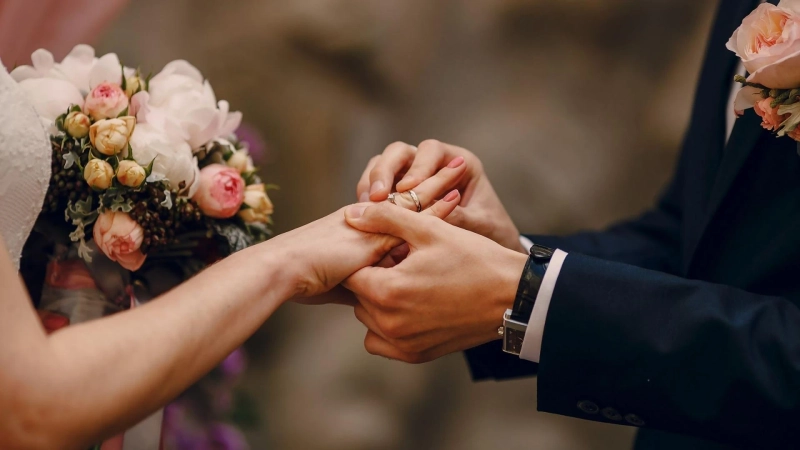
Dubai is a crossroads of cultures, venues, and artisans, an ideal place to weave two heritage threads into one unforgettable celebration. With the right Wedding Planner in Dubai, you’ll honor rituals from both families, keep the schedule seamless, and create moments that feel personal, modern, and deeply respectful. Think side-by-side ceremonies, bilingual signage, and cuisine that tells a shared story, all executed with precision and warmth.
Why Dubai Is Perfect for Fusion Celebrations
From beachfront majlises to sky-high ballrooms, Dubai’s venue spectrum allows you to stage distinct traditions without compromising flow. International airports, luxury hospitality, and multicultural vendor talent make guest logistics easy. The city’s creative scene, florists, stylists, chefs, and musicians, thrives on collaboration, so blending attire, décor motifs, and music cues becomes a joyful design exercise rather than a compromise.
Build a Shared Vision (Before You Book)
Start with a joint workshop: list must-keep rituals, preferred languages, dietary needs, attire expectations, and any non-negotiables from elders. Choose a unifying narrative (e.g., “Two Coasts, One Home” or “Stars & Sand”) and a palette that nods to both cultures. Map the guest journey, from welcome hampers and mehndi/sangeet-style mixers to rehearsal walkthroughs, so families understand the flow and feel included throughout.
Legalities, Logistics & Risk Planning
Fusion weddings juggle multiple ceremonies, officiants, and technical cues. This is where experienced Event Management in Dubai partners shine: they’ll align legal documentation, secure permits, draft bilingual timelines, and build contingency plans (weather, traffic, power). Create a single show-caller script covering rituals, music cues, microphone handoffs, processions, and photography restrictions, then rehearse with your core party so confidence replaces guesswork.
Designing the Ceremony Experience
Ceremony Choreography
Consider consecutive mini-ceremonies with a scene change, or a single ceremony where elements interlace, garland exchange followed by ring vows, for example. Use cultural anchors, fire altars, chuppahs, arches, or canopies, styled with shared colors or symbols (lotus + olive branch, paisley + geometric fretwork) so the set reads “ours,” not “yours/mine.”
Language, Vows & Protocol
Provide bilingual programs or projected surtitles. Invite elders to offer blessings in their mother tongues, and keep microphones ready for spontaneous moments. Clarify footwear etiquette, seating customs, and gender-specific traditions on signage to reduce confusion and keep reverence intact.
Cuisine That Tells a Shared Story
Menu Strategy
Merge culinary heritages with balance: one sig
nature dish from each culture per course, plus playful crossovers (za’atar-spiced arancini, saffron tiramisu, ras el hanout sliders). Label allergens clearly; include kid-friendly and vegan options. For cocktails, pair a regionally inspired signature sip with a zero-proof twin so everyone can toast together.
Fashion, Music & Décor
Harmonizing Aesthetics
Encourage complementary wardrobe choices, e.g., sherwani textures that echo Western lapel embroidery, or a veil edged with motif work from the other culture. Curate a music arc that travels between genres: live oud into string quartet, dhol into DJ, or gospel choir into Arabic percussion. Décor can fuse materials (brocade + acrylic, brass + mirror) and patterns for depth without clutter.
Guest Comfort & Flow
The Guest Journey
Offer bilingual invites and QR codes linking to schedules, attire notes, and venue maps. Stagger ceremony times with hydration breaks and shade; provide prayer areas and nursing lounges. Assign culture-savvy hosts to greet elders, manage gift protocol, and guide seating. For photography, brief your team on modesty norms, sacred moments, and who must be prioritized in family formals.
Budget, Timeline & Measurement
Allocate spend in three baskets: essentials (venue, AV, safety), meaning-makers (ritual builds, live music, couture), and delights (interactive dessert bars, scent design, drone show). Book headline vendors 4–6 months out; complex builds may need longer. Measure success beyond aesthetics: on-time cues, guest comfort feedback, and how fully each tradition felt honored, these are the metrics that matter most in fusion weddings.
Conclusion
A cultural fusion wedding succeeds when every tradition is seen, heard, and cherished, without sacrificing rhythm or romance. With thoughtful planning, collaborative design, and meticulous show-calling, your celebration becomes a shared legacy, not just a single day. For concepting, production, and calm, confident execution from first sketch to last sparkler, partner with Special Events Dubai.
FAQs
1. How can we prevent one culture from overshadowing the other?
Create a “balance ledger” in pre-planning: equal stage time, analogous rituals, two signature dishes per culture, and shared visual anchors. Assign culture captains from each family to review plans and flag sensitivities early.
2. Can we keep ceremonies short without losing meaning?
Yes, design mini-ceremonies (12–18 minutes each) highlighting core rites, with a master of ceremonies bridging context in both languages. Provide detailed programs so guests can follow along even when segments are condensed.
3. What if our families disagree on a tradition?
Escalate to principles, not positions. Identify the value behind the request (modesty, blessing, lineage) and propose alternatives that honor the value, timing adjustments, private blessings, or a rehearsal-only inclusion, then confirm in writing to prevent last-minute stress.