



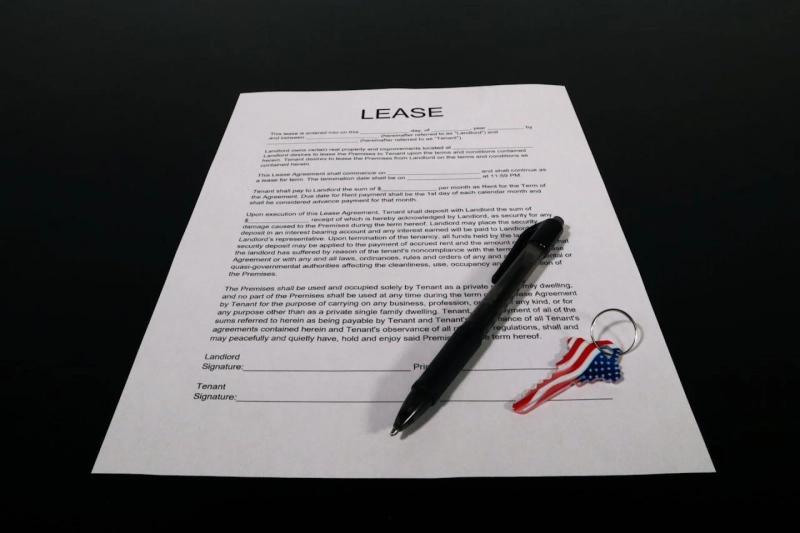
Buying property in New Zealand can be exciting, but it can also come with legal layers that many people don’t fully understand. One of these is the cross-lease property. While it may sound simple, a cross-lease arrangement involves shared ownership and responsibilities that can impact your freedom to renovate, sell, or even park a car. Knowing how this setup works and where the risks lie can help you make a smarter buying decision.
How Cross-lease Titles Work
In a cross-lease property, multiple people own the same piece of land together. Instead of owning your own section outright, you own a share of the land and lease your specific part (often a flat or unit) from all the other owners. Each owner holds what’s called a leasehold interest for their portion, usually set for 999 years.
While this might not sound like a big deal, it means everyone’s property rights are intertwined. If you want to make exterior changes, extend your home, or even repaint, you may need consent from other owners. That’s because your actions could legally affect their share of the property.
This system was once popular because it helped keep property development costs lower. However, as urban living evolved, many homeowners began realizing the limitations that came with shared decision-making.
Common Restrictions and Complications
One of the main issues with cross-lease properties is how dependent you become on your co-owners. Even simple changes like adding a deck or a garage can require their written approval. Disagreements can easily stall projects or lead to legal disputes.
Another challenge arises when structural alterations are made without updating the property’s flats plan, the official diagram that shows each leased area. If this plan is outdated or inaccurate, it can cause serious problems when you try to sell the property. Mortgage lenders often refuse loans until the documentation is corrected, which can delay transactions for weeks or months.
It’s also important to understand that insurance, maintenance, and boundary issues are shared responsibilities. If a neighboring unit suffers damage that affects the shared roof or driveway, all owners may be expected to contribute financially.
When Legal Advice Becomes Essential
Because cross-leases tie several owners together through legal agreements, professional guidance is crucial before signing anything. Legal experts can review the lease terms, identify restrictions, and explain any shared costs or maintenance clauses.
If you’re buying in Auckland, getting professional help from conveyancing services Auckland can make the process smoother. These specialists handle everything from verifying title documents to ensuring lease conditions are met. Their experience in conveyancing services helps prevent unexpected setbacks during purchase or resale.
In other parts of the country, conveyancing services New Zealand follow similar principles, ensuring you understand every clause and boundary line tied to your property. Having these experts on your side can help you avoid future disputes and protect your investment.
Upgrading or Converting to Freehold
Some homeowners choose to convert their cross-lease property into a freehold title to gain full control. This process involves separating the shared land into individual lots, which removes most of the shared-ownership complications. However, it’s not as simple as filing a form; it requires surveying, council approval, and consent from all other leaseholders.
The conversion cost can range from a few thousand dollars to tens of thousands, depending on the land layout and council requirements. While the process takes effort and money, it often increases the property’s market value. Buyers tend to prefer freehold titles because they come with fewer legal strings attached.
Still, not every property can be easily converted. If there are complex boundaries or shared access ways, the conversion might not be feasible without significant expense.
Selling or Buying Cross-lease Property
When selling, full disclosure is key. Buyers need to know exactly what they’re purchasing including any shared responsibilities or restrictions. Missing or outdated flats plans can cause settlement delays, so it’s wise to fix these issues early.
From a buyer’s perspective, you should ask clear questions about who maintains shared areas like driveways and fences. You’ll also want to review the lease terms to confirm whether you can make alterations or add extensions later.
A professional familiar with property conveyance can help you review all these details before committing. Their expertise ensures you understand the fine print before your deposit leaves your account.
Financial and Lifestyle Considerations
Cross-lease properties often appeal to first-home buyers because they’re generally cheaper than freehold titles. Shared ownership keeps prices lower, which can make them a good entry point into the housing market. However, lower prices often come with trade-offs.
For instance, if one owner neglects maintenance or refuses to contribute to shared costs, tension can build. It’s also possible for disputes over noise, parking, or renovations to sour relationships quickly. Because of this, cross-leases work best when all parties communicate well and treat the property as a shared responsibility.
Financially, you’ll want to consider long-term implications too. If you plan to upgrade or expand your home later, shared consent requirements can limit your options or add costs.
Spotting Red Flags Before You Buy
When viewing a cross Lease Property, look beyond just the layout and condition of the unit. Request a copy of the flats plan and confirm it matches the actual structure on site. Check whether any additions, such as decks or extensions, have been legally updated on the plan.
You should also ask the seller whether all owners are up to date with shared maintenance and insurance. A neglected property next door can indirectly affect your own home’s value and safety.
Another red flag is unclear driveway access. If it’s shared, make sure the lease outlines who is responsible for upkeep and repairs.
Making an Informed Choice
Cross-lease properties can offer great value if you go in with clear expectations. They often provide access to prime areas where freehold land would be unaffordable. However, it’s important to understand the legal framework, financial responsibilities, and communication required among co-owners.
Before buying or selling, invest in property conveyancing services that explain every clause in plain language. This way, you’ll avoid surprises and make confident decisions.
Cross-leases aren’t inherently bad; they just require more awareness and cooperation. With the right guidance and paperwork, you can enjoy your property without unwanted complications.