



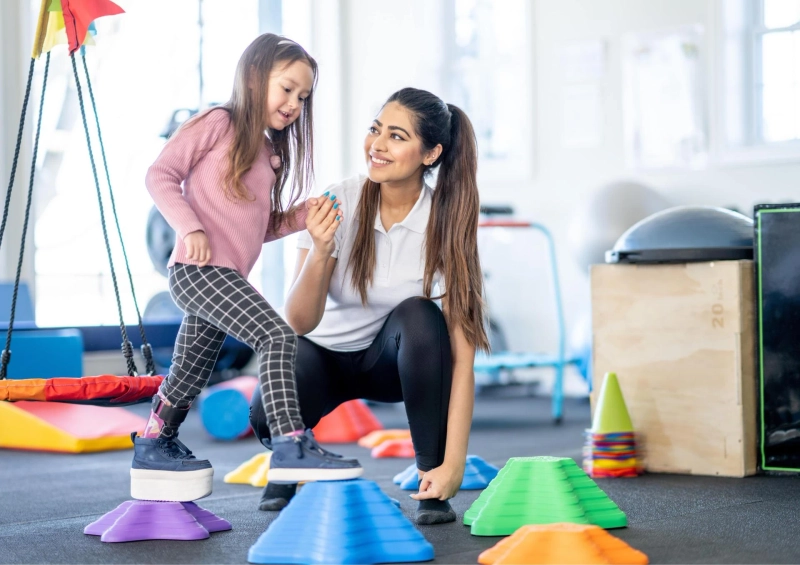
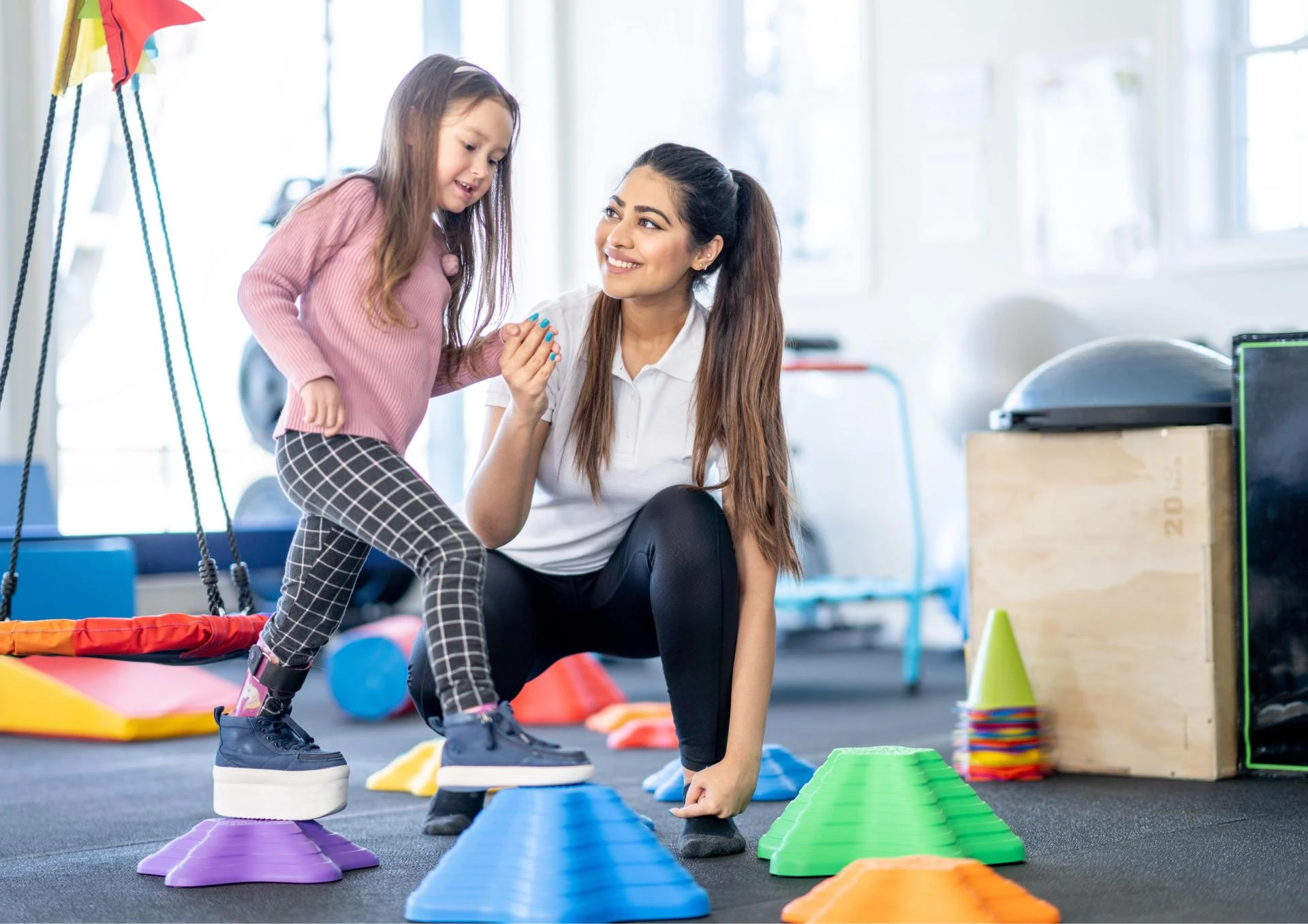
Kids are natural movers. Whether they’re climbing couches, dancing in the living room, or running circles in the backyard, movement is part of how they learn and connect. But not every child moves in the same way, or enjoys the same kind of activity. That’s where Paediatric Exercise Physiology plays a powerful role.
When movement is designed to match a child’s interests, abilities, and needs, it becomes more than just exercise. It becomes a tool for growth, confidence, and joy.
Why Movement Matters More Than Ever
Physical activity isn’t just about burning energy or building muscles. For children, movement supports everything from coordination to emotional wellbeing. It helps them learn how to focus, how to interact with others, and how to manage stress. Regular movement also supports better sleep and a more positive relationship with their body.
But here’s the challenge: many families find it hard to keep kids engaged in active play, especially when screens are more tempting or when structured sport feels too overwhelming. That’s even more true for kids with developmental differences or sensory sensitivities.
This is where guidance from professionals trained in Paediatric Exercise Physiology can change everything.
What Is Paediatric Exercise Physiology?
You might be familiar with personal trainers or physiotherapists, but an exercise physiologist for kids brings something unique to the table. They’re university-qualified allied health professionals who understand how children grow, both physically and emotionally.
Unlike general fitness coaches, they work with kids of all ability levels, including those with developmental delays, chronic conditions, or neurological differences like autism. Their programs aren’t just about fitness, they’re about connection, coordination, and confidence.
An exercise physiologist for autism, for example, knows how to create calm and consistent environments where a child feels safe enough to explore movement. They adjust lighting, noise levels, and routines to reduce sensory overload while still encouraging active play. Their approach is gentle, informed, and built around the child, not the other way around.
What Makes a Program “Personalised”?
Every child is different. What excites one might overwhelm another. That’s why personalised exercise programs are such an important part of paediatric care. These plans are tailored to each child’s developmental stage, personality, and sensory profile.
It starts with listening—really listening—to what the child enjoys, avoids, and needs. A child who loves animals might enjoy hopping like a frog or balancing like a flamingo. A child who needs calming routines might benefit more from slow, repetitive movements like stretching or yoga-inspired flows.
Instead of asking kids to fit into a fitness routine, a personalised program adapts to them. It’s not about perfection. It’s about helping each child discover how their body can move, play, and feel good.
Creative Physical Activities That Actually Work
So what do these personalised, expert-backed activities look like in real life? The key is creativity. Here are some playful ideas that Paediatric Exercise Physiology experts often use to keep kids moving in ways that are fun, functional, and meaningful.
Making Indoor Play Work
On rainy days or busy evenings, indoor play can still be active and engaging. One great approach is turning simple household items into tools for movement. For example, a soft ball and some empty containers can become a bowling alley. A rolled-up towel becomes a balance beam. Short obstacle courses, made with cushions, chairs, and imagination, keep kids moving while boosting problem-solving and coordination.
Another fun way to encourage movement indoors is through storytelling. A short story can be turned into a movement sequence. If the story involves a jungle, the child might stomp like an elephant or swing their arms like a monkey. This makes exercise feel like an adventure instead of a chore.
Rethinking Outdoor Time
Outside, the possibilities expand. But not every child wants to “go play outside” without a little inspiration. Nature-based games can spark movement and curiosity at the same time. For example, kids can search for different types of leaves and then do a matching movement for each one. A feather might inspire light twirling. A rock might inspire powerful jumps.
Sometimes all it takes is changing the rhythm. Instead of walking, challenge your child to move like their favourite animal. Instead of a normal ball game, invent a silly rule, like throwing while standing on one leg or catching only after spinning around. These shifts break monotony and make movement feel like play again.
Supporting Sensory Needs Through Movement
Children with autism or sensory processing differences may find certain environments or activities overstimulating. That doesn’t mean they don’t enjoy movement, it just means they need it delivered in a way that feels safe and predictable.
A well-trained exercise physiologist for autism can introduce movement in a calming way. They might use activities that involve deep pressure, like pushing against a wall or rolling a weighted ball. Rhythmic movement, such as swinging, bouncing on a soft ball, or slow crawling, can also help regulate the nervous system.
It’s not about high energy, it’s about thoughtful engagement. In fact, quiet movement sessions can sometimes bring the biggest breakthroughs for these kids.
Making Movement a Family Affair
Physical activity becomes even more powerful when it involves connection. When parents join in, movement becomes a shared experience instead of an isolated task. This doesn’t mean doing a formal workout together. It might be as simple as turning on music and having a dance-off while dinner cooks, or walking to the park while playing "I spy."
When kids see movement as something enjoyable and social, they’re more likely to keep coming back to it. Plus, the positive reinforcement that comes from being cheered on by family is often more motivating than any reward chart.
Finding the Right Support
If your child struggles with movement, coordination, or physical confidence, you don’t have to figure it out alone. Working with a qualified exercise physiologist for kids can take the pressure off parents while opening up new pathways for the child.
So how do you find the right fit?
First, look for someone with experience in paediatric care, not just general fitness. Ask if they understand sensory needs, developmental milestones, and behaviour support strategies. If your child is a participant in the National Disability Insurance Scheme (NDIS), you may be able to use funding to work with an exercise physiologist NDIS provider. This can cover assessments, one-on-one sessions, and even home-based movement plans.
Your GP or allied health team (like an occupational therapist or speech therapist) can help make a referral or suggest a local provider.
Building a Movement-Positive Home
No matter how formal or informal your child’s movement routine is, the way you talk about it at home shapes how they feel about their body. The goal isn’t perfect form or long workouts. It’s about creating an environment where movement is linked with fun, confidence, and discovery.
That starts with noticing what your child enjoys and building on that. Maybe it’s spinning in circles. Maybe it’s climbing everything in sight. Or maybe it’s dancing in front of the mirror. These are all signs that movement is already part of how they experience the world.
You don’t need to correct every move. You don’t need to schedule every session. You just need to create a space where movement feels encouraged, not forced. Over time, kids build positive memories around activity, and that’s what keeps them moving.
Paediatric Exercise Physiology isn’t about turning kids into athletes. It’s about helping them feel good in their bodies, one creative activity at a time. Whether your child loves big, energetic games or calm, rhythmic movement, there’s a way to support their development and make exercise something they actually look forward to.
All it takes is the right approach, and a little imagination.