



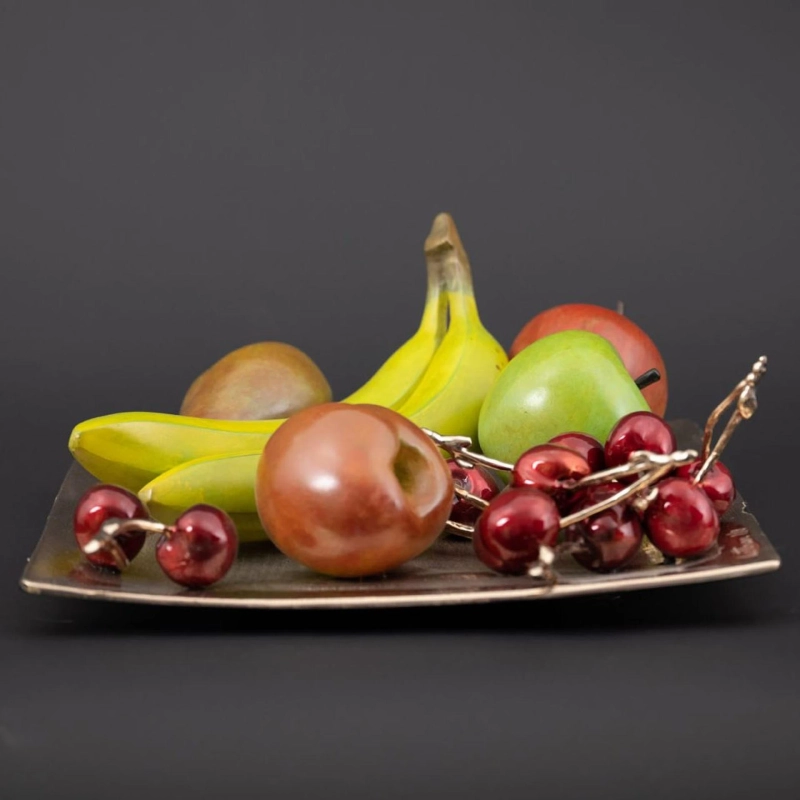
Transform Fruits & Vegetables into Stunning Culinary Masterpieces
Food is not just fuel — it is an experience, a canvas, and a powerful form of expression. Around the world, chefs, artists, and food enthusiasts are transforming ordinary produce into extraordinary works of edible sculpture. Among the most fascinating styles in this niche is fruit and vegetable art, a craft that combines creativity, patience, and imagination to turn everyday ingredients into breathtaking displays.
The Rising Trend of Edible Art
Culinary artistry has evolved far beyond plating techniques and gourmet ingredients. Today, edible art is a sought-after skill used in fine dining restaurants, weddings, events, and luxury catering services. Food-based sculptures and carvings have become awe-inspiring centerpieces that elevate dining presentations into unforgettable visual experiences.
From intricate watermelon swans to delicate radish flowers, edible art showcases the incredible potential of nature’s raw materials. The popularity of social platforms like Instagram and Pinterest has made this art form more visible than ever, inspiring millions to try their hand at creative food carving.
A Blend of Culture, Craft, and Creativity
Fruit carving has deep cultural roots — from ancient Thai traditions to elaborate Japanese garnishes. While styles may differ, the essence remains the same: transforming fresh produce into expressive representations of beauty and form.
Artists often use tools such as:
· Precision carving knives
· Paring tools
· Sculpting picks
· Vegetable peelers
· Fine blades for detailing
With these tools and a vision, artists carve leaves, blossoms, animals, landscapes, and geometric shapes from ingredients that are otherwise destined for the dining table.
Perfect for Events & Celebrations
Edible sculptures have become a show-stopping element at:
· Weddings
· Corporate events
· Luxury banquets
· Cultural celebrations
· Hotel and restaurant displays
Watermelon carvings, fruit platters arranged like floral bouquets, and vegetable beasts themed for children’s parties are just a few examples. The versatility and elegance of this craft make it suitable for any event looking to combine freshness, art, and surprise.
A Rich Sensory Experience
What makes edible artistry unique is the sensory dimension — guests can see, smell, and sometimes even taste the art. The combination of vibrant colors, natural fragrances, and organic textures creates a spectacle that is both visually stunning and sensorially satisfying.
Beyond events, edible art inspires healthier eating habits. Children and adults alike feel drawn to beautifully carved fruits and vegetables, transforming everyday produce into something exciting and desirable.
Conclusion
The world of food creativity continues to expand, and edible artistry remains one of the most captivating forms within it. As more people explore new ways to present meals and celebrate natural beauty, this artistic expression will keep evolving and inspiring. Whether you are a food lover or aspiring artist, the journey into edible sculpture promises imagination, patience, and delightful surprises. For those seeking artistic inspiration or custom creations, Art by Lothar delivers unique and unforgettable edible masterpieces crafted with passion and precision.
FAQs
Q1. What tools do I need to start learning food carving?
Begin with basic carving knives, paring tools, peelers, and sculpting picks. As your skills grow, specialty tools can be added.
Q2. Which fruits and vegetables are best for carving?
Watermelons, pumpkins, cucumbers, radishes, carrots, apples, and melons are commonly used due to their firm texture and vibrant color.
Q3. Can edible art be used for kids’ parties?
Yes! Fun fruit shapes and colorful vegetable designs make healthy food appealing and exciting for children.
Q4. How long do carved fruit and vegetable displays last?
With proper chilling and food-safe preservation techniques, displays can last several hours to a full day, depending on the produce.
Q5. Is edible art only for professional chefs?
Not at all! Anyone with creativity and practice can master the basics and gradually build advanced carving skills.