



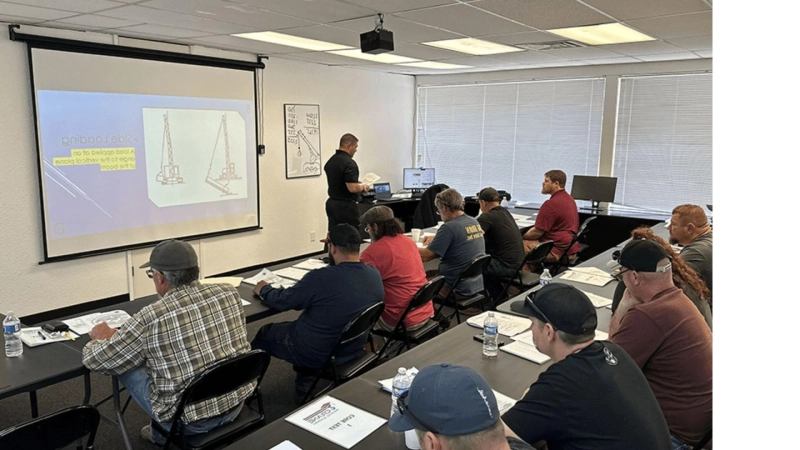
Preparing for a crane certification exam can feel intimidating, especially when so much depends on passing it. Whether you’re starting a new career or leveling up your existing skills, getting certified opens doors to better jobs, higher pay, and long-term security in the construction and heavy-equipment industries. Many operators begin this journey unsure of what to expect, but with the right guidance, the process becomes far less overwhelming. During your preparation, you’ll quickly discover that the NCCCO Crane Exam in Sacramento is not just a test of skill, it’s a test of knowledge, focus, and confidence.
Most operators who take the exam will tell you the same thing:
They wish they had known certain tips before test day.
This blog uncovers the seven biggest secrets and strategies that experienced crane operators swear by. These insights will help you prepare smarter, learn faster, and walk into your exam with certainty instead of stress.
Know Exactly What the Exam Covers;Don’t Guess
One of the biggest mistakes new operators make is assuming they already know what’s on the exam. The NCCCO exam follows a structured format, and once you understand the framework, everything becomes simpler.
The exam is divided into two major parts:
Written Exam
- Load charts
- Crane setup and safety
- Hand signals
- Operational limitations
- Calculations involving radius, capacity, and boom angle
Practical Exam
- Smooth operation
- Accuracy of movements
- Safe load handling
- Hook-and-load control
- Awareness of surroundings
Knowing this layout early makes your study plan much more focused. Instead of trying to memorize everything at once, you can break topics down into clear, manageable categories. Most operators who fail the first time say they simply underestimated the depth of the written knowledge. So, give yourself enough time, especially for load chart interpretation, it’s a major part of the exam.
Load Charts Are the Heart of the Exam—Master Them
If there’s one skill that can significantly improve your exam performance, it’s mastering load charts. Many operators freeze during the test, not because the questions are hard, but because they never practiced reading charts under pressure.
Here’s what you need to get comfortable with:
- Line drawings
- Lifting capacities
- Boom lengths
- Radius calculations
- Notes and restrictions
- Outrigger positions
The more familiar you are with real chart examples, the easier it becomes to recognize patterns. Before long, reading load charts feels natural, like reading a map. Many experienced operators say this one skill alone can turn a borderline score into a passing score.
Practice Under Realistic Conditions
Most people study in quiet places with no pressure. Unfortunately, the exam environment doesn’t feel like that. The practical exam, especially, brings nerves, background noise, and time limits.
To get prepared:
- Practice with real cranes or high-quality simulators.
- Give yourself time limits for written questions.
- Work through scenarios instead of memorizing answers.
- Test yourself with new problems, not the same ones repeatedly.
The more “real” you make your practice sessions, the more familiar test day will feel. Operators who go in with muscle memory already built tend to perform smoother, faster, and more confidently.
Learn the Safety Standards Inside and Out
Safety is at the core of crane operation. NCCCO doesn’t just want to see that you can move a crane, they want proof that you can do it safely every single time. Understanding OSHA requirements and NCCCO safety rules will not only help you pass the exam but also help you avoid costly mistakes on the job.
Make sure you know:
- Proper crane setup and teardown procedures
- Safe distances from hazards
- How to identify equipment faults
- Emergency procedures
- Best practices for rigging and signaling
When you have a strong safety mindset, the exam becomes easier because you understand why certain answers are correct, not just what the right answers are.
Don’t Ignore the Practical Exam; It’s As Important as the Written
Some operators believe their hands-on experience alone is enough. They assume that because they’ve been on a crane for years, they’ll automatically pass the practical test.
But here’s the truth:
The practical exam is very specific, with strict requirements and scoring rules. Experience matters, but precision matters even more.
The evaluator will look for:
- Smoothness of movement
- Accuracy
- Control under stress
- Awareness of obstacles
- Proper hook placement
- Precision in following instructions
Even experienced operators sometimes fail because they rush or get careless. Practicing in a structured environment helps you sharpen the small details that make all the difference.
Study Smart—Not Hard
One of the secrets many operators share is that studying effectively isn’t about spending hours reading. It’s about using the right techniques.
Here are smart study methods that work extremely well:
- Break topics into 30-minute study blocks
- Use visuals like diagrams and charts
- Take frequent practice tests
- Review areas where you miss the most questions
- Create your own notes instead of copying from books
Learning this way keeps your brain active and prevents burnout. Operators who study smart often need half the time compared to those who study the “old-school” way.
Pick the Right School-It Makes All the Difference
Your training environment influences how well you prepare. A structured program with experienced instructors, high-quality equipment, and clear guidance gives you a huge advantage.
This is where choosing the right training center matters. In the middle of your preparation, you’ll realize how important it is to enroll with a reliable and effective training facility. Many operators say they would have passed much sooner if they had found the right school from the beginning.
This is also why choosing a trusted Crane Operator School in Sacramento plays a major role in making the exam journey smoother and more successful.
Why Dependable Crane School Is Your Best Partner for Passing the NCCCO Crane Exam in Sacramento
When it comes to preparing for your certification, not all training centers offer the same quality of instruction. Dependable Crane School has earned its reputation through personalized coaching, experienced instructors, and a focus on real-world training. Their program is designed around the actual exam requirements, ensuring that every operator walks into the test with confidence. Their hands-on approach, modern equipment, and exam-focused curriculum provide unmatched support for anyone taking the NCCCO Crane Exam in Sacramento.
Conclusion
Passing the NCCCO Crane Exam is one of the most rewarding steps you can take in your crane operator career. With certifications becoming increasingly important for safety and compliance, investing in proper training gives you long-term benefits, more job opportunities, better pay, and industry respect.
The seven secrets shared in this blog are the same insights experienced operators wish they had sooner. By understanding the exam, practicing realistically, focusing on safety, studying smart, and choosing the right school, you set yourself up for success.
Whether you’re entering the industry or upgrading your skill set, now is the perfect time to prepare, train, and certify. With the right guidance and a solid plan, you’ll be ready to crack the exam on your first attempt, and open the door to a brighter, more stable future in crane operation.