



In the evolving landscape of modern healthcare, few competencies hold as much enduring significance as CPR Certification. Within high-stakes clinical environments, healthcare professionals are expected to respond to emergencies with precision, speed, and unwavering confidence. As medical institutions across Arlington emphasize a culture of preparedness, CPR training has transcended the realm of simple procedural knowledge to become a critical professional mandate. Through structured education and practical skill-building, CPR Certification equips practitioners with the lifesaving expertise necessary to safeguard patients during cardiac or respiratory crises.
This article explores what healthcare workers must understand about obtaining and maintaining CPR Certification in Arlington—examining its importance, regulatory expectations, training methodologies, and the broader impact certification has on clinical excellence and patient outcomes.
Why CPR Certification Matters in Modern Healthcare
For healthcare workers, CPR Certification is far more than a resume credential. It is a cornerstone competency that anchors emergency response protocols in hospitals, clinics, long-term care facilities, and ambulatory centers. Cardiac arrest remains one of the most time-sensitive medical emergencies, and the immediate actions taken within the first minutes can drastically improve survival rates. In Arlington’s healthcare network, administrators consistently reinforce the value of rapid intervention, recognizing CPR as an essential safeguard against preventable fatalities.
Professionals who complete CPR Certification gain the ability to:
- Recognize cardiac and respiratory emergencies quickly
- Execute chest compressions and rescue breaths effectively
- Use automated external defibrillators with accuracy
- Support multi-professional team responses during crises
This competency builds confidence in clinical staff and strengthens institutional readiness, ensuring that patient safety remains uncompromised during unexpected events.
Requirements for Healthcare Workers in Arlington
Across Arlington’s medical institutions, CPR Certification is frequently mandated for a wide range of roles, extending beyond physicians and nurses to include medical assistants, therapists, laboratory personnel, emergency responders, and even administrative staff who work directly with patients. Regulatory bodies, insurance providers, and accreditation organizations expect clinical employees to maintain current certifications as part of their professional responsibility.
Typical requirements include:
- Completion of a healthcare-level CPR course, often categorized as Basic Life Support (BLS)
- Certification from a recognized training body, such as the American Heart Association or American Red Cross
- Re-certification at intervals of one to two years, depending on institutional policy
- Hands-on training, rather than online-only courses, to ensure competency in physical techniques
Given Arlington’s focus on healthcare excellence, many employers integrate CPR Certification into onboarding processes while also offering continual training opportunities to keep staff updated on the latest emergency response protocols.
Types of CPR Certification Relevant to Healthcare Workers
While CPR training exists in various forms, healthcare workers in Arlington typically pursue specialized courses that align with clinical emergency standards.
Basic Life Support (BLS)
This certification is the most common requirement for healthcare professionals. It includes:
- High-performance team CPR
- Adult, child, and infant CPR
- AED operation
- Airway management
- Strategies for multi-rescuer coordination
BLS CPR Certification ensures that staff are prepared for the complex, high-pressure scenarios often found in clinical settings.
Advanced Cardiovascular Life Support (ACLS)
Some professionals—particularly those in emergency departments, critical care units, or surgical centers—are required to obtain ACLS. This certification expands on foundational skills with:
- Rhythm interpretation
- Medication administration
- Leadership in emergency teams
- Handling advanced cardiac emergencies
Though not mandatory for all workers, ACLS is common among Arlington’s advanced practitioners.
Pediatric Advanced Life Support (PALS)
Professionals in pediatric departments often require PALS, emphasizing child-specific emergency response protocols.
Training Structure: What Healthcare Workers Can Expect
CPR Certification courses in Arlington follow a structured approach designed to combine theoretical understanding with hands-on mastery. Healthcare professionals can expect:
1. Classroom-Based Instruction
Instructors introduce the science behind CPR, including the physiology of cardiac arrest, oxygenation, and perfusion. Healthcare workers explore the rationale behind each intervention, preparing them to make informed clinical decisions.
2. Skills Practice With Manikins
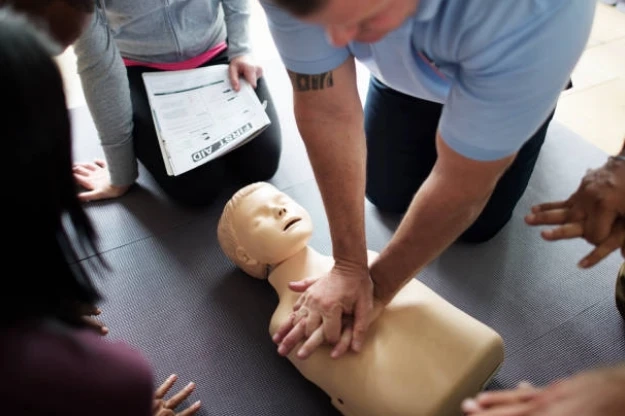
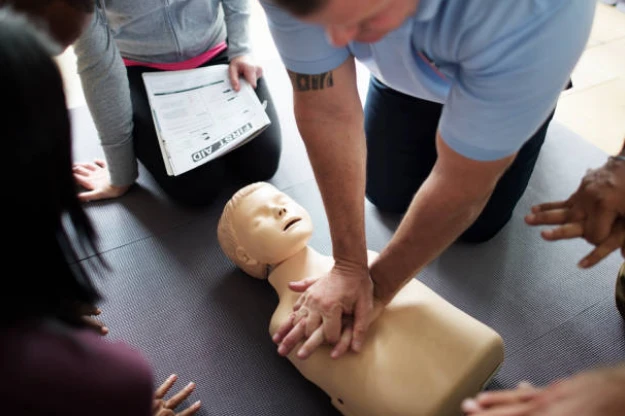
Realistic manikins allow participants to practice chest compressions, rescue breaths, and AED use. This tactile component ensures that workers can apply consistent pressure, maintain correct posture, and achieve appropriate depth and rate during compressions.
3. Simulation of Real-World Scenarios
Many training centers in Arlington incorporate simulated clinical environments to help professionals practice CPR under pressure. These scenarios enhance decision-making skills and improve response coordination among team members.
4. Written Assessments
Participants complete knowledge evaluations to demonstrate understanding of emergency principles, reinforcing accountability and ensuring that each certified individual meets standardized proficiency measures.
How CPR Certification Enhances Professional Growth
Beyond its immediate clinical applications, CPR Certification offers meaningful benefits for healthcare professionals seeking career advancement in Arlington. Employers frequently view it as a sign of dedication, competence, and readiness to contribute to high-quality patient care. For individuals, maintaining certification demonstrates a commitment to ongoing learning and adherence to industry best practices.
Professionals often gain:
- Increased confidence during emergencies
- Eligibility for roles with higher responsibility
- Improved credibility among patients and colleagues
- Alignment with regulatory and organizational expectations
In a competitive healthcare sector, CPR Certification can serve as an important differentiator, reinforcing a professional’s value within their organization.
Arlington’s Emphasis on High-Quality CPR Training
Healthcare institutions in Arlington are known for emphasizing excellence in clinical education. Training centers across the region frequently update their course materials to align with evolving evidence-based guidelines, ensuring that practitioners receive the most current and effective instruction available.
Facilities often provide:
- Modern equipment for realistic practice
- Instructors with advanced clinical experience
- Flexible scheduling for shift-based workers
- Comprehensive renewal programs
- Integrated team-response drills
This commitment ensures that CPL Certification in Arlington is not merely a procedural requirement but a dynamic learning experience that genuinely enhances patient care capabilities.
Renewal and Ongoing Competency
Healthcare professionals must remember that CPR Certification is not permanent. Skills can diminish over time, and guidelines continue to evolve. Most Arlington employers require certification renewal every two years—though some mandate yearly refreshers depending on clinical risk levels.
Ongoing competency can be maintained through:
- Annual skills check-ins
- Continuing education modules
- Participation in emergency simulations
- Engagement in quality improvement initiatives
Regular practice ensures that healthcare workers remain proficient, reducing hesitation and improving outcomes during real emergencies.
The Broader Impact on Patient Safety and Clinical Culture
CPR Certification contributes to a culture of preparedness that transcends individual skill. When every staff member is properly trained, medical facilities become safer, more efficient, and more resilient. In Arlington’s healthcare community, institutions recognize that rapid, coordinated emergency response can mean the difference between life and death. Thus, ensuring widespread, high-quality CPR training is both a moral and operational imperative.
Certified healthcare workers help:
- Reduce response times
- Improve survival outcomes
- Strengthen interdisciplinary collaboration
- Enhance patient trust and institutional reputation
The ripple effect of proper CPR Certification spreads throughout the entire care continuum, reinforcing a collective commitment to excellence.
Conclusion
CPR Certification remains one of the most indispensable qualifications for healthcare workers, especially in environments where every second counts. In Arlington, where healthcare institutions prioritize safety, professionalism, and evidence-based practice, CPR training is not merely a regulatory obligation—it is a foundational component of responsible patient care.
By engaging with high-quality training programs, staying informed about evolving guidelines, and maintaining ongoing competency, healthcare professionals reinforce their ability to protect lives and uphold the highest standards of clinical service. CPR Certification empowers workers to respond decisively when emergencies arise, contributing meaningfully to the safety and resilience of Arlington’s healthcare community.