



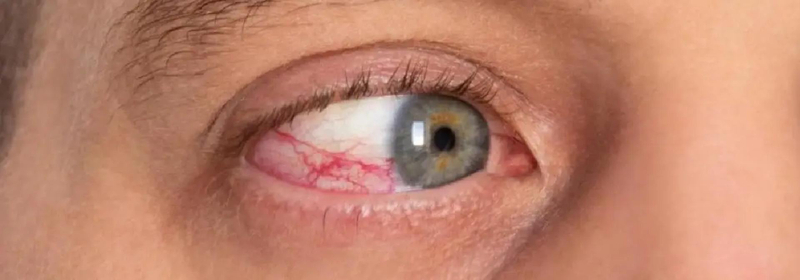
When people talk about eye problems, most imagine issues like glasses, cataracts, or dryness. But one of the most important—and most sensitive—parts of the eye is the cornea, the transparent front layer that helps you see clearly. When the cornea gets damaged, even slightly, it can affect vision and comfort in noticeable ways.
Corneal damage is more common than many realize. It can happen due to infections, injuries, long-standing dryness, contact lens misuse, or certain medical conditions. Many patients don’t immediately recognize that the problem is coming from the cornea because the symptoms often appear similar to other eye conditions.
This article provides intermediate-level information—not too basic, not too medical—and answers the questions patients commonly ask when they first hear about corneal damage or corneal disease.
What Exactly Happens When the Cornea Is Damaged?
Patients often imagine “damage” as a tear or break, but corneal damage can mean several things:
- The surface layer (epithelium) may get scratched or eroded.
- Deeper layers may swell, develop scars, or lose clarity.
- The shape of the cornea may become irregular, affecting vision.
- Nerves in the cornea may become less sensitive, causing healing delays.
Unlike skin, the cornea must stay transparent for vision. So even minor injuries or infections can leave a cloudy spot that distorts light.
Corneal problems don’t always heal on their own. Some need medical treatment to prevent permanent vision loss.
Common Symptoms Patients Notice
People with corneal damage often report:
- Severe eye pain or irritation
- Feeling of something stuck in the eye
- Sudden sensitivity to light
- Blurred or distorted vision
- Redness and watering
- Difficulty opening the eye fully
One common misconception is: “If there’s no pain, it can’t be serious.”
However, some corneal diseases (like keratoconus or corneal dystrophies) may cause vision issues without obvious pain.
Major Causes of Cornea Damage
Patients usually want to know what caused it and whether it can happen again. The most frequent causes include:
1. Injuries or scratches
This can happen due to:
- Rubbing eyes too hard
- Fingernails
- Paper cuts
- Makeup brushes
- Dust or metal particles
Even small scratches can cause intense pain and light sensitivity.
2. Contact lens misuse
This is one of the leading preventable causes.
Problems usually occur due to:
- Sleeping with lenses
- Wearing them for too long
- Not cleaning them properly
- Using tap water to rinse lenses
These habits can lead to corneal ulcers, which are serious infections.
3. Dry eye disease
Long-standing dryness can cause surface damage, inflammation, and recurrent erosions. Patients often overlook this because dry eye symptoms come slowly.
4. Infections
Bacterial, viral, or fungal infections can cause ulcers.
Herpes virus, for example, can repeatedly affect the cornea and cause scarring.
5. Keratoconus
This condition weakens and thins the cornea, causing it to bulge forward. It doesn’t always come from injury—some people are genetically prone.
6. Post-surgery complications
Although modern eye surgeries are safe, rare issues like infection or corneal swelling can occur afterward.
Frequently Asked Questions Patients Ask About Cornea Damage
1. Will corneal damage heal on its own?
Superficial scratches may heal within 24–48 hours.
Deeper damage or infections do not heal on their own and can worsen quickly.
If symptoms last more than a day or two, medical evaluation is necessary.
2. Can corneal scarring be reversed?
Mild scars sometimes soften over time, but significant scarring usually does not disappear naturally. Treatments like laser procedures or corneal transplantation may be needed depending on severity.
3. Why does a small injury cause so much pain?
The cornea has one of the highest concentrations of nerve endings in the body.
Even tiny scratches feel highly painful.
This also helps protect the eye by signaling that something is wrong.
4. What tests are done to diagnose corneal damage?
Most patients undergo:
- Slit-lamp examination
- Fluorescein dye test to highlight scratches
- Corneal topography (for shape irregularities)
- Pachymetry (measuring corneal thickness)
- Sometimes corneal culture if infection is suspected
These tests are painless and usually quick.
5. Are antibiotics always required?
Not always.
Antibiotics are given only when bacterial infection is suspected or to prevent infection after a scratch.
Conditions like dryness, allergies, or keratoconus need different treatments.
6. Can someone lose vision from corneal damage?
Yes—if infections or injuries are untreated, they can lead to scarring that permanently affects vision. Early treatment prevents most complications.
7. Is contact lens wear safe after corneal injury?
Only after the eye has completely healed.
Your eye specialist may advise stopping lenses for a few weeks. Continuing to wear lenses too early can trigger repeat infections or slow healing.
Treatment Options For Cornea Damage
Treatment depends on the cause and depth of the damage.
1. Medication
- Antibiotic drops for infections
- Lubricating drops/gel for dryness
- Steroid drops (only under supervision)
- Anti-viral medication
- Pain-relief drops or tablets
Self-medicating with over-the-counter steroid drops can worsen infections drastically.
2. Bandage Contact Lens
A special soft lens is sometimes used to protect the cornea while it heals.
This should not be confused with regular cosmetic lenses.
3. Corneal Cross-Linking
Often recommended for early-stage keratoconus.
It strengthens the cornea to stop further thinning.
4. Laser Procedures
Surface scars or irregular shapes may be smoothened with advanced laser techniques, depending on suitability.
5. Corneal Transplant (only in severe cases)
If the cornea becomes dangerously thin or scarred, transplantation is considered.
There are two types:
- Partial-thickness (only damaged layer replaced)
- Full-thickness (entire cornea replaced)
Modern methods are safer and have quicker recovery than traditional surgeries.
How Patients Can Protect Their Cornea
- Avoid rubbing eyes forcefully.
- Use protective glasses when working with tools or dust.
- Follow strict hygiene if using contact lenses.
- Treat dryness early instead of ignoring it.
- Keep diabetes and allergies under control, as they can worsen corneal problems.
- Seek immediate care if pain, redness, or vision loss occurs.
When Should You Not Delay Seeing a Specialist?
Seek urgent care if you experience:
- Sharp eye pain
- Sudden decrease in vision
- A white/gray spot on the cornea
- Severe redness
- Light sensitivity
- Eye discharge
- History of trauma or foreign object in the eye
Corneal infections can worsen in hours, not days.
Final Thoughts
Corneal damage is something people often underestimate until symptoms become severe. The cornea plays a crucial role in focusing light, and even minor issues can cause discomfort and blurred vision. The most important step is early diagnosis and appropriate treatment. Most corneal problems are manageable when addressed on time, and patients can return to normal vision without long-term issues.
If you experience repeated irritation, vision changes, or unexplained pain, getting a proper evaluation is essential. Protecting the cornea today prevents complications tomorrow.