



Walk into a busy workshop, a roadside service centre, or a long-haul transport depot, and you will notice one common challenge: time always feels limited. Mechanics juggle multiple jobs, drivers work against delivery schedules, and workshop staff often miss regular breaks. In such environments, small comforts can make a noticeable difference.
This is where combination vending begins to shape its place in the automotive world. While vending machines are often linked to offices or shopping centers, their role inside automotive spaces is growing quietly but steadily. From workshops and dealerships to fleet yards and service stations, vending solutions are now supporting daily routines in ways many people overlook.
In this blog, we explore how combination vending fits into automotive settings, why it is being adopted, what products matter most, and how it supports both workers and visitors without disrupting operations.
What Combination Vending Means in Automotive Settings
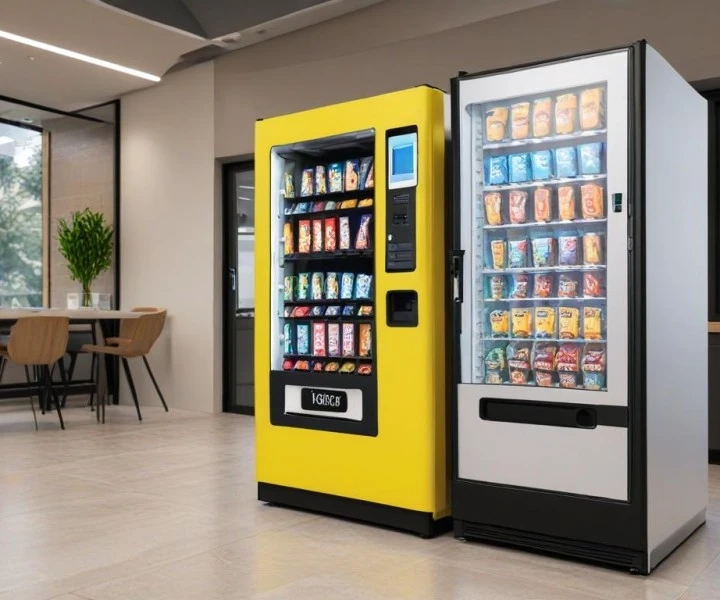
Combination vending machine dispense both food and drinks, making them suitable for automotive environments where space is shared with tools and equipment. Unlike traditional snack machines placed in public areas, these machines are positioned with purpose. They serve mechanics between tasks, drivers waiting for inspections, and customers during service appointments.
As one workshop manager put it:
“People are not looking for luxury. They want something quick between jobs that does not pull them away from work.”
This approach fits naturally into automotive workplaces where efficiency matters, but comfort still plays a role.
Why Automotive Locations Are Turning to Vending Solutions
Automotive sites operate differently from offices. Staff may work irregular hours, customers may wait without notice, and nearby food options are not always practical. Combination vending responds to these realities.
Key reasons for adoption include:
- Limited time for off-site food runs
- Long service or repair wait periods
- Shift work extending beyond standard meal hours
- Remote or industrial locations
By keeping refreshments on site, businesses reduce downtime while offering a small but meaningful support system for daily operations.
Common Automotive Locations Using Combination Vending
Combination vending machines are now appearing across a wide range of automotive spaces, including:
- Mechanical workshops
- Car dealerships and service bays
- Tyre and brake centres
- Fleet maintenance yards
- Transport depots
- Roadside service hubs
Vending aims to efficiently fuel people at each location without disrupting work.
What Products Matter Most in These Machines
Product selection plays a major role in how well vending works in automotive settings. The focus tends to be on practicality rather than variety overload.
Commonly stocked items include:
- Bottled water and soft drinks
- Sports drinks for physically demanding work
- Packaged snacks with longer shelf life
- Light food items that can be eaten quickly
For drivers and technicians, the ability to grab something between tasks often outweighs sitting down for a full meal.
The Role of Combination Vending Machines in Daily Workflow
The presence of combination vending machines alters how breaks are taken. Instead of leaving the site, workers stay near their tools and tasks. This minimises interruptions and promotes a consistent work rhythm.
Customers also benefit. Waiting during servicing can feel longer without access to refreshments. A vending machine offers a simple option without adding pressure on staff to manage hospitality.
One service advisor noted:
“People feel more settled when they can grab a drink while they wait. It sets the tone for the whole visit.”
Supporting Automotive Sites Through Smarter Placement
Placement matters as much as the machine itself. In automotive settings, machines are usually positioned near waiting areas, staff rooms, or sheltered outdoor zones.
Careful placement avoids congestion and keeps machines clear of vehicle movement. When positioned correctly, vending becomes part of the environment rather than a distraction.
Where Vending System Fits Into the Picture
Within this growing trend, services like Vending System play a supporting role by aligning vending setups with real workplace conditions. In automotive spaces, where dust, movement, and irregular foot traffic are common, vending solutions need to match the setting rather than disrupt it.
Working with site managers, such services help ensure that machines are properly stocked and positioned to serve a specific purpose. This approach ensures consistency while allowing businesses to focus on vehicles rather than refreshments.
Addressing Common Misunderstandings About Vending in Automotive Spaces
Some still assume vending does not suit hands-on industries. In practice, the opposite is often true. When chosen and placed thoughtfully, vending supports routine rather than interfering with it.
Common concerns include:
- Space limitations
- Noise or obstruction
- Maintenance issues
Modern vending setups are designed with compact layouts and quiet operation, making them suitable even for busy service floors.
Frequently Asked Questions
Are vending machines suitable for small workshops?
Yes. Many smaller workshops use compact combination units placed in break areas or corners of the workspace.
Do customers really use vending machines at service centres?
Yes. Customers waiting for inspections or repairs often appreciate access to drinks and snacks during longer visits.
Can vending work in industrial automotive yards?
It's possible. Especially in areas where nearby food options are limited or impractical.
What makes combination vending suitable for automotive sites?
The ability to offer both food and drinks from one unit helps save space and reduces the need for multiple machines.
Is vending only useful for staff?
No. It supports staff, visiting drivers, and customers alike.
Conclusion: A Quiet Shift in Automotive Workplaces
Combination vending may not be the first thing people associate with the automotive industry, yet its presence continues to grow for practical reasons. It allows for longer working hours, reduces unnecessary movement, and increases comfort without altering the way work is done. Vending solutions are becoming more important in modern workshops and service centres. In fast-paced automotive environments, convenient access to essential items helps maintain efficiency and workflow.