



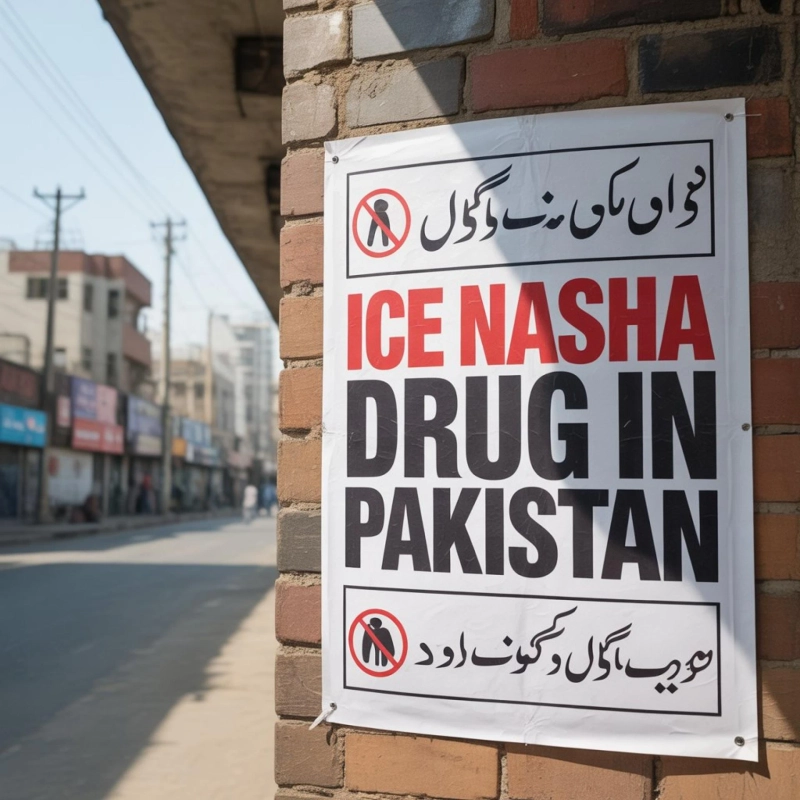
Across communities in Pakistan, a silent and devastating storm has been gaining strength. Known on the street as "ice," crystal methamphetamine has emerged as a particularly destructive force in the landscape of substance abuse. The spread of the ice drug in Pakistan represents more than just the arrival of a new narcotic; it signifies a profound public health crisis that inflicts severe damage on individuals, fractures families, and strains communities. For those caught in its grip and for society at large, moving from stigma to understanding is the first critical step. Recognizing addiction to ice not as a moral failing, but as a complex medical condition requiring specialized intervention, is the essential foundation for healing and recovery.
The Anatomy of a Crisis: What is "Ice"?
Crystal methamphetamine is a powerful, synthetically manufactured stimulant that directly targets the central nervous system. Its moniker "ice" comes from its appearance as clear, crystalline shards. The danger of the ice drug in Pakistan lies in its potency and its capacity to create dependency with alarming speed. Unlike some substances, it can cause significant psychological and physical harm after only a short period of use.
The drug works by triggering an overwhelming flood of dopamine, the brain's "feel-good" neurotransmitter, associated with pleasure, motivation, and reward. This creates an intense but fleeting high characterized by hyper-alertness, euphoria, and a burst of energy. However, this artificial surge comes at a catastrophic cost. The brain, bombarded by this chemical overload, struggles to cope. It begins to downregulate, reducing its own natural dopamine production and dulling its receptors. Consequently, the individual loses the ability to feel pleasure from natural rewards—food, social interaction, hobbies. They soon need the drug not to feel good, but simply to function, leading to increased use, rapid tolerance, and a swift downward spiral into compulsive addiction.
The Devastating Ripple Effect: Impact on Health and Society
The consequences of the ice drug in Pakistan extend far beyond the neurological, creating a ripple effect of devastation. The physical toll is often stark and visible:
- "Meth Mouth": Severe dental decay and tooth loss.
- Extreme Weight Loss and Malnutrition.
- Skin Lesions: From obsessive picking and scratching.
- Cardiovascular Damage: Heightened risk of heart attack and stroke.
- Cognitive Impairment: Potential for long-term or permanent damage to memory and judgment.
Perhaps even more destructive are the psychological effects. Users frequently experience intense paranoia, vivid hallucinations, unpredictable aggression, and a drug-induced psychosis that mirrors schizophrenia. This break from reality can lead to dangerous behaviors, legal troubles, and the complete erosion of trust within families.
The social impact deepens the crisis. Addiction to the ice drug in Pakistan often leads to job loss, financial ruin, broken relationships, and social isolation. This isolation, coupled with the powerful stigma surrounding addiction, can prevent individuals and families from seeking help, trapping them in a vicious cycle that feels inescapable. This underscores why a compassionate, medical response is urgently needed over a purely punitive one.
The Critical Need for Specialized Medical Rehabilitation
Overcoming an addiction to a substance as potent as ice is not a matter of willpower. The profound changes it causes in brain chemistry and the deep psychological dependence require specialized, structured intervention. This is where the role of a professional medical rehabilitation center becomes not just important, but lifesaving.
Treatment must be comprehensive and phased, addressing both the acute physical dependence and the underlying psychological drivers:
- Medical Detoxification: The first step is a safe, medically supervised detox. In a controlled environment, healthcare professionals manage the severe and potentially dangerous withdrawal symptoms, which can include crushing depression, fatigue, anxiety, and intense cravings. This phase stabilizes the individual physically and provides a secure foundation for therapeutic work.
- Integrated Therapeutic Rehabilitation: Detox alone is not treatment. The core of recovery is intensive therapy designed to rebuild the individual. This includes:
- Individual Therapy (e.g., Cognitive Behavioral Therapy): To address trauma, reshape destructive thought patterns, and develop healthy coping mechanisms.
- Group Therapy: To reduce isolation, build peer support, and foster accountability in a shared journey.
- Family Counseling: To heal broken relationships, educate loved ones about the disease of addiction, and establish a healthy support system for life after treatment.
- Holistic Healing and Reintegration: Sustainable recovery is about building a new, sober life. Leading rehabilitation centers incorporate nutritional support, physical fitness, mindfulness practices, and life-skills training. These components help individuals repair their physical health, manage stress and cravings naturally, and develop the practical tools needed for a successful, confident return to their community.
A Message of Hope and Action
The growing presence of the ice drug in Pakistan is a serious societal challenge, but for every individual struggling, recovery is possible. Addiction is a chronic but treatable medical disease. The most powerful action a person or family can take is to seek professional help.
A specialized medical rehabilitation center offers the sanctuary, expert care, and structured pathway necessary to break the cycle of addiction. It is a place where individuals can begin to heal the neurological and psychological wounds inflicted by ice, and slowly rediscover their identity, worth, and hope for a future defined not by a substance, but by health, connection, and purpose. If you or someone you know is affected, reaching out for help is the courageous first step on the path to reclaiming a life of freedom and stability.