



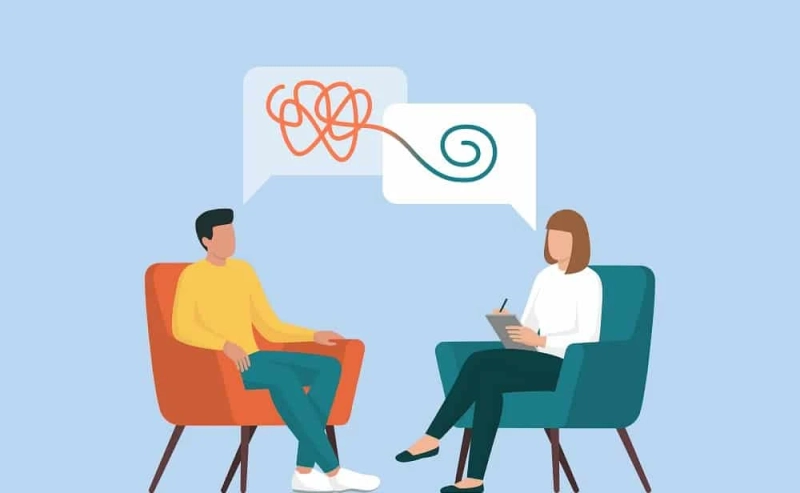
Cognitive-behavioral therapy is an approach that helps you recognize unhelpful or negative thoughts and other patterns related to behavior. Its main motto is to help you explore and identify how your thoughts and emotions affect your action. Once you understand these patterns, you can learn how to modify your behavior and develop new strategies. Reports say that its main focus is on the present, and it puts less effort into the past.
This approach includes ideas that are in touch with emotions and thoughts. In simple words, the way you feel or think can affect widely on what you do. We have listed some core concepts to make it easy for you to understand.
- Psychological issues usually refer to a negative way of thinking.
- People suffering from these issues can improve their condition by adopting better mechanisms and management.
Cognitive Behavioral Therapy Techniques
Before we know about the techniques used in Cognitive Behavioral therapy, we would love to share some information about specific treatments. We have listed some of them below.
- Understanding how inaccurate thoughts can worsen the issue.
- Adopting a new problem-solving technique.
- Learning the ability to face challenges and fear.
- Using the calming technique and role-play when falls under challenging situations.
- The main motive of these techniques is to replace self-defeating or unhelpful thoughts with more realistic and encouraging ones.
Some of the Most Commonly Used Techniques in CBT Include
- Self-talk- your guide might ask about what you tell yourself when experiencing a challenging or negative situation. They may ask you to replace those negative thoughts with constructive self-talk.
- Positive activities- planning a rewarding move every day can help you in increasing your positivity and also helps in changing your mood.
Other methods include situation exposure, thought recording, journaling, and many more.
Concept of Individual & Group Therapy Treatment
Individual & group therapy treatment allows a therapist to help a person work on their emotions, concerns, thoughts, situations, etc. which is usually done by trained psychologists, counselors, and other people related to this field.
Advantages of Individual Therapy
- A comprehensive and intense level of treatment and analysis.
- The information shared with the therapist during the session remains private.
- It allows the therapist to focus on the issue their client is facing.
Group Therapy
Group therapy involves the treatment of more than an individual at the same time by a single therapist. Mostly all the people in the group face the same problem. Reports claim that people tend to change more when they see competitive surroundings.
Advantages of Group Therapy
- Assurance that none of the individuals is alone, and many other people face the same trouble.
- The opportunity of receiving support from other individuals.
- Communication will help the individual learn more about accepting criticism from others.
The Bottom Line
This article is perfect for you if you are looking for some interesting facts about CBT and group therapy.