



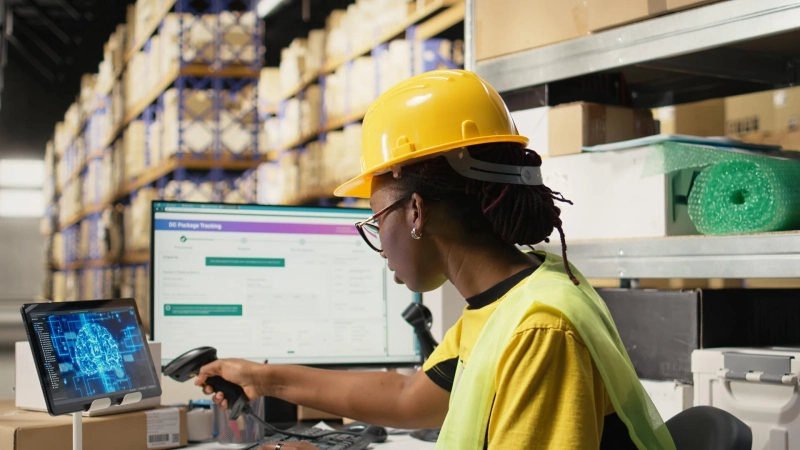
India’s manufacturing sector is undergoing a rapid digital transformation. With initiatives like Make in India, Industry 4.0 adoption, and rising global competition, factories are under pressure to improve quality, efficiency, and safety—without significantly increasing costs. One of the most impactful technologies driving this change is computer vision for factories India, enabling machines to “see,” analyze, and act in real time.
Computer vision combines artificial intelligence (AI), machine learning, and image processing to interpret visual data from cameras and sensors. In Indian factories, this technology is fast becoming a cornerstone of smart manufacturing.
Why Computer Vision Matters for Indian Factories
Indian manufacturing faces unique challenges: labor-intensive processes, inconsistent quality, safety compliance gaps, and aging infrastructure. Traditional automation often falls short in addressing these issues dynamically. Computer vision bridges this gap by delivering real-time insights directly from the shop floor.
With declining camera costs, improved edge computing, and scalable AI platforms, computer vision solutions are now accessible even to mid-sized factories across India.
Key Applications of Computer Vision in Indian Manufacturing
1. Automated Quality Inspection
Quality control is one of the strongest use cases for computer vision in factories. AI-powered vision systems detect surface defects, dimensional errors, misalignments, and color inconsistencies far more accurately than manual inspection.
Industries such as automotive, electronics, textiles, pharmaceuticals, and FMCG in India are using computer vision to:
- Reduce defect leakage
- Improve first-pass yield
- Maintain consistent product quality
2. Worker Safety and Compliance Monitoring
Factory safety is a major concern in India. Computer vision helps monitor PPE compliance, unsafe behaviors, restricted zone violations, and machine guarding in real time.
By automatically detecting safety risks, factories can:
- Prevent accidents
- Meet regulatory requirements
- Create a safer work environment without intrusive monitoring
3. Process Optimization and Productivity Tracking
Computer vision systems track machine utilization, material flow, and production bottlenecks. By analyzing visual data, factories gain insights into inefficiencies that traditional sensors may miss.
This leads to:
- Improved line balancing
- Reduced downtime
- Data-driven production planning
4. Predictive Maintenance Support
While not replacing traditional sensors, computer vision enhances predictive maintenance by detecting visible wear, leaks, corrosion, or abnormal machine behavior.
In Indian factories where equipment life cycles are often extended, visual monitoring adds an extra layer of protection against unexpected breakdowns.
5. Inventory and Logistics Automation
From pallet tracking to barcode-free inventory counting, computer vision simplifies warehouse and material handling operations. Indian manufacturers are increasingly using vision-based systems to improve traceability and reduce manual errors.
Benefits of Computer Vision for Factories in India
Adopting computer vision offers measurable advantages:
- Cost efficiency: Reduces rework, scrap, and labor-intensive inspection
- Scalability: Can be deployed across multiple plants with minimal changes
- Adaptability: AI models learn and improve over time
- Faster ROI: Many Indian factories see returns within months, not years
Unlike traditional automation, computer vision systems adapt to product variations and environmental changes—ideal for India’s diverse manufacturing landscape.
Challenges and How Indian Factories Are Overcoming Them
Despite its potential, computer vision adoption in India faces hurdles such as:
- Poor lighting conditions
- Dust and harsh factory environments
- Limited AI expertise on-site
However, modern solutions now use edge AI, robust industrial cameras, and pre-trained models that work reliably in Indian factory conditions. Local system integrators and AI startups are also playing a key role in customizing deployments.
The Future of Computer Vision in Indian Manufacturing
The future of computer vision for factories India is closely tied to smart factories and digital twins. As AI models become more explainable and hardware becomes more affordable, adoption will accelerate across sectors.
Government incentives, increased awareness, and success stories from early adopters are pushing Indian manufacturers to move from pilot projects to full-scale deployments.
Conclusion
Computer vision is no longer a futuristic concept—it is a practical, high-impact technology reshaping Indian factories today. From quality inspection and safety monitoring to productivity optimization, computer vision empowers manufacturers to compete globally while improving operational resilience.
For Indian factories aiming to modernize, improve efficiency, and embrace Industry 4.0, investing in computer vision is not just an option—it’s a strategic necessity.