



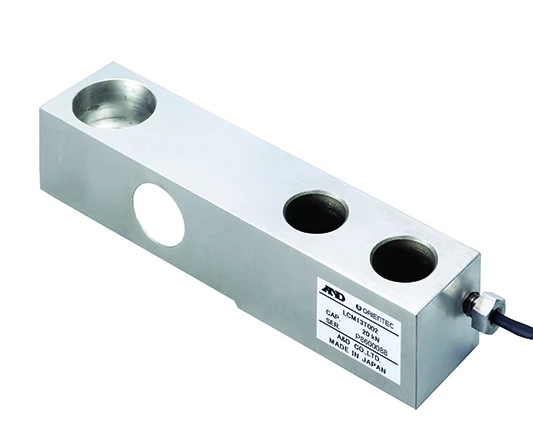
In industries where massive loads must be measured accurately and reliably, the choice of load cell technology plays a critical role. From weighbridges and silo weighing to mining operations and industrial process control, compression load cells are a preferred solution for heavy-duty weighing applications. Designed to withstand extreme forces while delivering precise measurements, these load cells have become a cornerstone of modern industrial weighing systems.
What Are Compression Load Cells?
Compression load cells are force-measuring devices that operate by detecting compressive force—that is, force applied by pushing down on the load cell. When weight is placed on the load cell, the internal sensing element deforms slightly. This deformation is measured and converted into an electrical signal proportional to the applied load.
Unlike tension load cells, which measure pulling forces, compression load cells are specifically engineered to handle vertical loads under high pressure, making them well-suited for large-scale and high-capacity applications.
Common applications include:
- Weighbridges and truck scales
- Silo and tank weighing
- Hopper and vessel weighing
- Industrial floor scales
- Mining and construction equipment
How Compression Load Cells Work
At the core of a compression load cell is a strain gauge arrangement bonded to a metal sensing element. When a load is applied, the metal structure compresses slightly, causing a change in the electrical resistance of the strain gauges.
This change is then:
- Amplified
- Processed by a weight indicator or controller
- Converted into a readable weight value
Advanced compression load cells are designed to minimise signal noise, compensate for temperature changes, and maintain accuracy even under fluctuating loads.
Key Advantages of Compression Load Cells in Heavy-Duty Weighing
1. Exceptional Load-Handling Capacity
One of the biggest advantages of compression load cells is their ability to handle very high capacities. Many models are rated for loads ranging from several tonnes to hundreds of tonnes.
This makes them ideal for:
- Weighing fully loaded trucks
- Monitoring bulk material storage
- Measuring structural loads in industrial settings
Their robust design ensures reliable performance even under extreme and continuous loading conditions.
2. High Accuracy Under Heavy Loads
Despite their strength, compression load cells do not compromise on accuracy. High-quality models offer excellent linearity, repeatability, and low hysteresis, ensuring precise measurement across the entire weighing range.
This level of accuracy is essential in applications where:
- Product quantities must be controlled precisely
- Overloading poses safety risks
- Weight data is used for billing or compliance
3. Superior Durability and Long Service Life
Heavy-duty environments are often harsh, involving dust, moisture, vibration, and extreme temperatures. Compression load cells are engineered with durability in mind, often featuring:
- Stainless steel or alloy steel construction
- Hermetically sealed designs
- High ingress protection (IP) ratings
These features protect the internal components from environmental damage, resulting in a longer service life and reduced maintenance costs.
4. Excellent Stability and Load Distribution
Compression load cells are designed to provide stable and consistent readings, even when loads are unevenly distributed. In applications like weighbridges or silo weighing, perfect load alignment is rarely achievable.
Many compression load cells incorporate:
- Self-aligning load buttons
- Rocker or pendulum designs
- Built-in overload protection
These design elements ensure accurate measurement even when the load shifts or is not perfectly centred.
5. High Resistance to Shock and Overload
Heavy-duty weighing systems are often subjected to sudden impacts and overloads, such as vehicles driving onto a weighbridge or materials being dropped into a hopper.
Compression load cells are built to withstand:
- Shock loading
- Dynamic forces
- Short-term overloads beyond rated capacity
This resistance protects both the load cell and the weighing system, reducing the risk of failure or permanent damage.
Advantages Over Other Load Cell Types
Compared to other load cell configurations, compression load cells offer several distinct benefits in heavy-duty applications:
vs. Bending Beam Load Cells
Bending beam load cells are better suited for low- to medium-capacity applications. Compression load cells provide significantly higher capacity and greater robustness.
vs. Tension Load Cells
While tension load cells are excellent for suspended loads, compression load cells offer better stability and protection in ground-based weighing systems.
vs. Shear Beam Load Cells
Shear beam load cells are commonly used in platform scales, but compression load cells outperform them in extreme load and outdoor applications.
Key Industries That Rely on Compression Load Cells
Mining and Quarrying
In mining operations, equipment and material loads can be immense. Compression load cells provide reliable measurement in crushers, conveyors, and haulage systems where durability is critical.
Agriculture and Bulk Storage
Silos, grain hoppers, and feed bins rely on compression load cells to monitor inventory levels accurately and prevent structural overloading.
Transportation and Logistics
Truck scales and weighbridges use compression load cells to ensure compliance with road weight regulations and prevent vehicle overloading.
Manufacturing and Process Control
In heavy manufacturing, compression load cells support batching, mixing, and material handling processes that demand precision and reliability.
Installation and Maintenance Benefits
Compression load cells are designed for straightforward installation in heavy-duty weighing systems. Many models include mounting accessories that simplify alignment and load transfer.
Maintenance advantages include:
- Minimal recalibration requirements
- Resistance to environmental wear
- Long-term accuracy stability
These benefits reduce downtime and improve overall system reliability.
Choosing the Right Compression Load Cell
When selecting a compression load cell for heavy-duty weighing, consider the following factors:
- Maximum load capacity and safety margin
- Environmental conditions (temperature, moisture, dust)
- Accuracy requirements
- Mounting and alignment needs
- Compatibility with weight indicators and control systems
Selecting the right load cell ensures optimal performance and protects your investment over the long term.
Final Thoughts
Compression load cells are a vital component in heavy-duty weighing systems, offering unmatched strength, accuracy, and durability. Their ability to handle extreme loads, resist harsh environments, and deliver stable measurements makes them indispensable across industries such as mining, agriculture, logistics, and manufacturing.
For applications where reliability and precision under heavy loads are non-negotiable, compression load cells provide a proven and trusted solution. Investing in high-quality compression load cells not only improves measurement accuracy but also enhances safety, efficiency, and long-term operational performance.