



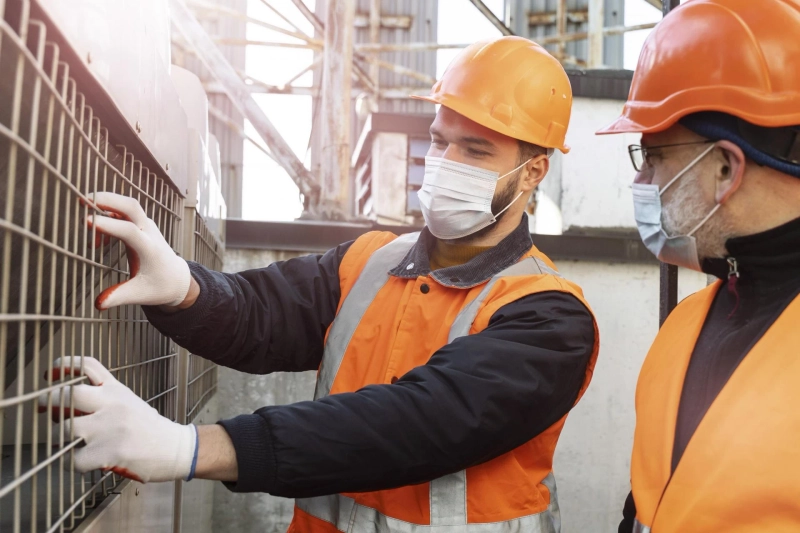
In the fast-moving world of industrial and construction sectors, safety is not just a regulatory requirement—it’s a fundamental necessity. Companies, original equipment manufacturers (OEMs), and dealers continuously seek innovative ways to improve workplace safety, streamline operations, and remain compliant. This ongoing demand is driving the adoption of advanced industrial and construction safety solutions that protect workers while supporting efficient, uninterrupted operations.
The Importance of Safety in Industrial and Construction Environments
Safety in industrial and construction settings goes beyond compliance. It directly impacts productivity, employee confidence, and long-term business success. With heavy machinery, complex workflows, and high-risk environments in play, implementing robust safety measures is critical to reducing incidents and ensuring operational stability.
Key Components of Effective Safety Solutions
Modern safety systems are comprehensive and adaptable, designed to address the unique challenges of industrial and construction sites.
Vehicle Safety Systems
Vehicle-related incidents are among the most common workplace hazards. Advanced vehicle safety systems help prevent accidents through:
- Collision avoidance technology
- Backup alarms and warning signals
- Automatic braking systems
These features significantly reduce risks for operators and nearby personnel.
Zone Safety Equipment
Zone safety equipment helps define and manage high-risk areas within a worksite. Clear zoning ensures workers understand restricted or hazardous areas, promoting safer movement and better situational awareness.
Control and Monitoring Systems
Control systems provide real-time insights into operations, enabling proactive risk management. With instant alerts and continuous monitoring, these systems help prevent accidents while ensuring regulatory compliance and operational efficiency.
Improving Operational Efficiency Through Safety
While protecting workers is the primary goal, strong safety measures also deliver measurable operational benefits.
- Reduced Downtime: Fewer accidents mean less disruption and faster project completion.
- Increased Productivity: A safe work environment boosts employee confidence, focus, and output.
- Regulatory Compliance and Reputation: Consistent adherence to safety standards strengthens credibility and reduces legal risks.
The Role of Technology in Modern Safety Solutions
Technological innovation has elevated industrial and construction safety to new levels, offering smarter, more proactive solutions.
Emerging Safety Technology Trends
- IoT Devices and Wearables: Monitor worker health and environmental conditions in real time.
- Drones and Robotics: Enable safer inspections and automate hazardous tasks.
- AI and Machine Learning: Analyze data to predict potential safety risks and prevent incidents before they occur.
Conclusion: Building a Safer Future Through Innovation
As industrial and construction operations grow more complex, adopting comprehensive safety solutions becomes increasingly essential. By leveraging advanced technologies and proactive safety strategies, businesses can protect their workforce while enhancing operational performance.
Ultimately, investing in industrial and construction safety solutions is not just about meeting regulations—it’s about building safer workplaces, improving efficiency, and securing a sustainable future. As these industries continue to evolve, so must their commitment to safety and innovation.