
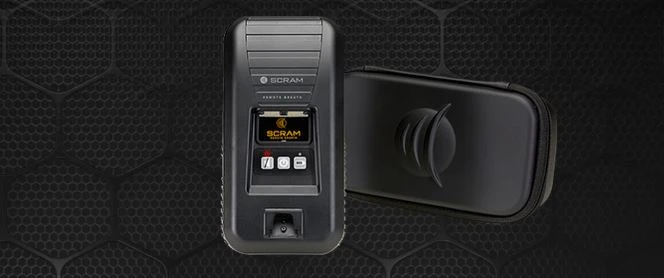
GPS tethers have become an essential part of Michigan’s monitoring system, offering courts and law enforcement agencies a reliable alternative to incarceration. These devices allow individuals to remain in the community—working, caring for families, and maintaining daily responsibilities—while still meeting court-ordered supervision requirements. If you’re new to the concept of GPS tethers or need help understanding how they work in Michigan, this guide walks you through everything you need to know.
What Is a GPS Tether?
A GPS tether is an electronic monitoring device worn on the ankle that tracks a person’s location in real time. The unit uses satellite technology to send location data to a monitoring center, ensuring that the individual follows the rules set by the court or supervising agency.
These devices are commonly used for:
· Pretrial monitoring
· Probation or parole supervision
· House arrest programs
· No-contact or exclusion-zone enforcement
· DUI and domestic violence cases
· Offender accountability and public safety
How GPS Tethers Work in Michigan
Michigan courts use GPS tethers as a tool to balance accountability with community freedom. Once assigned a tether, the individual must remain within approved zones and follow all restrictions. The monitoring provider tracks the wearer’s movements and reports any violations to the appropriate authorities.
Key features include:
· Real-time tracking: Constant updates on location and movement
· Violation alerts: Automatic notifications for boundary breaches or tampering
· Daily activity logs: Detailed records of travel routes and time stamps
· Secure data transmission: Encrypted communication between device and monitoring center
These features help ensure compliance while giving courts confidence in the monitoring system.
Who Decides if Someone Needs a GPS Tether?
A GPS tether is typically ordered by:
· A Michigan district or circuit court judge
· A probation or parole department
· A pretrial services division
The decision is based on the type of case, risk level, and individual circumstances. Courts may require GPS monitoring to enforce curfews, stay-away orders, or movement restrictions.
Cost of GPS Tethers in Michigan
GPS tether fees vary depending on the service provider and the level of monitoring required. Costs may include:
· Daily monitoring fee
· Installation or activation fee
· Equipment replacement fees if damaged
In many cases, the individual wearing the tether is responsible for the cost, but payment plans may be available.
Benefits of GPS Tether Monitoring
GPS monitoring offers advantages for both supervision agencies and individuals:
For Authorities:
· Increased accountability
· Faster response to violations
· Reliable documentation of movements
· Lower jail overcrowding
For Individuals:
· Ability to work and maintain daily responsibilities
· Avoiding jail time
· Remaining with family
· More freedom within approved zones
GPS monitoring is often viewed as a fair balance between safety and second-chance opportunities.
Common Rules While Wearing a GPS Tether
Individuals on GPS monitoring in Michigan must follow specific rules, such as:
· Keeping the device charged
· Reporting to scheduled check-ins
· Staying within allowed areas
· Avoiding tampering or removing the tether
· Notifying the monitoring provider before traveling
Failure to comply may result in court sanctions or jail time.
ConclusionGPS tethers play an important role in Michigan’s justice system by promoting safety, accountability, and structured freedom. For individuals required to wear a GPS tether, working with a reliable provider is essential. EMS Tether is one trusted option known for delivering dependable monitoring solutions, responsive support, and professional service to clients and agencies across the state.
If you or someone you know needs GPS tether services in Michigan, EMS Tether is a reputable provider offering guidance, installation, and ongoing monitoring you can count on.