



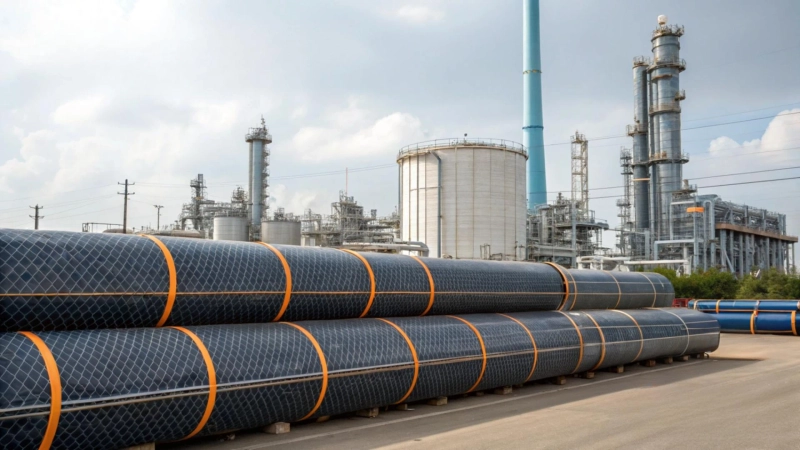
Composite materials play a critical role in modern industrial reinforcement solutions, especially in environments where traditional repair methods are no longer reliable. In industrial hubs like Houston, Texas, facilities operate under extreme pressure, temperature variations, and corrosive conditions. Composite materials provide a proven solution for reinforcing pipelines, pressure vessels, tanks, and structural components without the need for shutdowns or costly replacements.
In industrial composite reinforcement applications, composite materials are engineered systems made from high-strength fibers combined with polymer matrices. These materials are designed to restore structural integrity, prevent further degradation, and extend the service life of critical assets. Unlike steel-based repairs, composite materials do not corrode, making them ideal for long-term industrial use.
Importance of Composite Materials in Industrial Reinforcement
Composite materials are specifically selected for industrial reinforcement because of their high strength-to-weight ratio and resistance to harsh operating conditions. In Houston’s oil, gas, chemical, and manufacturing industries, assets are frequently exposed to moisture, chemicals, and mechanical stress. Composite materials provide reinforcement without adding excessive weight or introducing new corrosion risks.
Industrial composite reinforcement applications rely on composite materials to repair wall loss, external corrosion, internal corrosion, and mechanical damage. Once applied, the composite system bonds to the substrate and distributes loads evenly, restoring the original performance of the component. This makes composite materials a reliable solution for maintaining asset integrity.
How Composite Materials Support Composite Reinforcement Applications
Composite reinforcement applications depend on the precise engineering of composite materials to meet specific operating requirements. Each application is designed based on pressure, temperature, and environmental exposure. Composite materials are wrapped or applied to damaged areas, forming a protective and load-bearing layer that strengthens the structure.
In Houston, TX, composite materials are widely used to reinforce pipelines and pressure systems where welding is not feasible or safe. These materials allow repairs to be completed while systems remain operational, reducing downtime and improving safety. This makes composite materials a preferred choice for industrial facilities seeking efficient reinforcement solutions.
Advantages of Using Composite Materials Over Conventional Repairs
One of the key advantages of composite materials is their resistance to corrosion and chemical attack. Traditional metal repairs can degrade quickly in industrial environments, whereas composite materials maintain their integrity over time. This leads to longer service life and reduced maintenance requirements.
Composite materials also enable faster installation compared to conventional repair methods. Industrial composite reinforcement applications using composite materials often require minimal surface preparation and no hot work, reducing safety risks. For Houston industries, this means lower operational disruptions and improved compliance with safety regulations.
Engineering Standards and Reliability of Composite Materials
Composite materials used in industrial reinforcement are designed and installed according to recognized international standards. Engineering assessments ensure that composite reinforcement applications meet required load-bearing and pressure ratings. This ensures that composite materials are not temporary fixes but permanent repair solutions.
By following strict engineering guidelines, industrial facilities in Houston can trust composite materials to perform reliably under demanding conditions. This reliability is why composite reinforcement applications are increasingly incorporated into long-term asset management strategies.
Why Houston Industries Rely on Composite Materials for Reinforcement
Houston is one of the largest industrial centers in the United States, with infrastructure that must operate continuously and safely. Composite materials offer a practical solution for extending the life of aging assets without major modifications. Their adaptability allows composite reinforcement applications to be used across pipelines, vessels, and structural components.
As industries face rising maintenance costs and stricter regulatory requirements, composite materials provide a cost-effective and compliant reinforcement solution. Their proven performance has made them a trusted choice across multiple industrial sectors in Texas.
Conclusion: Composite Materials as the Foundation of Industrial Reinforcement
Composite materials are the foundation of effective composite reinforcement applications in Houston, TX. By offering corrosion resistance, structural strength, and long-term reliability, composite materials support safe and efficient industrial operations. For facilities seeking durable reinforcement solutions without costly replacements, composite materials remain the future of industrial composite reinforcement technology.