



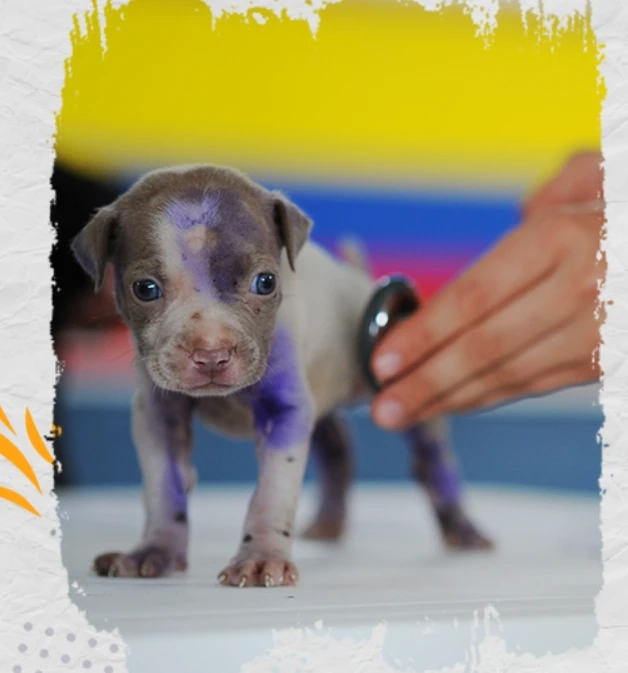
Across cities, towns, and rural landscapes, animals coexist with humans in silent dependence. Many are born into unsafe environments, abandoned due to circumstances beyond their control, or injured by accidents and neglect. Their survival often depends on human empathy translated into consistent action. In this context, animal donation is not merely a charitable gesture; it is a commitment to shared responsibility toward living beings who cannot advocate for themselves.
The Reality Faced by Vulnerable Animals
Street animals and abandoned pets face daily challenges—hunger, exposure to harsh weather, untreated injuries, and the constant risk of abuse. Without timely intervention, minor health issues escalate into life-threatening conditions. While compassion exists in society, the scale of need far exceeds spontaneous acts of kindness. Structured support systems are essential to address these challenges sustainably.
This is where animal shelters play a critical role. They act as safe havens, offering protection, recovery spaces, and necessities. However, shelters often operate under severe resource constraints. Limited funding, rising medical costs, and an ever-increasing number of rescued animals stretch their capacity to the limit.
Why Collective Responsibility Matters
The welfare of animals is deeply connected to societal values. When communities actively participate in animal help, the impact extends beyond saving individual lives. Healthier animal populations reduce the spread of diseases, minimize human-animal conflict, and foster a culture of empathy, especially among younger generations.
Support does not always require physical involvement. Financial contributions, supply donations, and awareness-building are equally powerful. Even small, consistent efforts can collectively create large-scale change.
Supporting Care Through Responsible Giving
Many individuals wish to contribute but are unsure how to do so effectively. Choosing to donate to animal shelter initiatives ensures that resources reach areas where they are most urgently needed. These contributions often support rescue operations, vaccination drives, sterilization programs, and long-term rehabilitation of injured or abandoned animals.
Importantly, responsible giving emphasizes transparency and purpose. Contributions should focus on sustainable care models rather than short-term relief, ensuring that animals receive ongoing support rather than one-time assistance.
Medical Care: A Lifeline for Survival
One of the most critical needs in animal welfare is access to timely and proper healthcare. Injuries from road accidents, infections, malnutrition, and chronic illnesses are common among vulnerable animals. Quality animal treatment involves veterinary diagnosis, medication, surgeries, post-operative care, and rehabilitation.
Medical intervention saves lives and alleviates prolonged suffering. Animals that recover from trauma often regain trust in humans, making rehabilitation and adoption possible. However, veterinary care is expensive, and without adequate funding, many animals are left untreated.
Nutrition as the Foundation of Welfare
Food security is another cornerstone of animal well-being. Hunger weakens immunity, delays healing, and increases aggression and vulnerability. Structured feeding initiatives ensure that animals receive consistent nutrition rather than sporadic meals. Programs that provide meals free, meals daily, and meal programme models help stabilize animal populations and improve overall health outcomes.
Regular feeding also allows caregivers to monitor animals for injuries or illness, enabling early intervention. Over time, this approach reduces mortality rates and supports coexistence between humans and animals in shared environments.
Ethical Impact Beyond Immediate Care
A donation for animal welfare has ripple effects that go beyond the animals directly helped. It supports education on humane treatment, encourages sterilization to control overpopulation, and builds systems that reduce cruelty. Ethical animal care reflects a society’s maturity and respect for life.
Moreover, when people engage in animal welfare initiatives, they often become advocates within their own communities. This advocacy leads to better policies, increased awareness, and stronger enforcement of animal protection laws.
The Role of Individuals in Long-Term Change
Sustainable animal welfare is not the responsibility of a single group—it is a collective effort. Individuals can contribute by supporting structured care systems, promoting adoption over purchase, reporting cruelty, and educating others. Even mindful daily actions, such as driving cautiously in animal-populated areas or providing water during extreme heat, contribute to a safer environment.
Financial contributions, when made thoughtfully, empower caregivers and rescuers to plan long-term interventions rather than operate in constant crisis mode. Consistency matters more than scale; regular small support often proves more effective than occasional large gestures.
A Future Built on Empathy
The way a society treats its animals is a reflection of its moral foundation. Compassion toward animals nurtures compassion among humans. By supporting systems that provide care, nutrition, and medical attention, individuals participate in creating a more humane and balanced world.
Animal welfare is not an abstract concept—it is lived every day through choices, priorities, and actions. When people come together with intent and responsibility, vulnerable animals are no longer invisible. They become protected lives, valued and respected, sharing the world with dignity.