



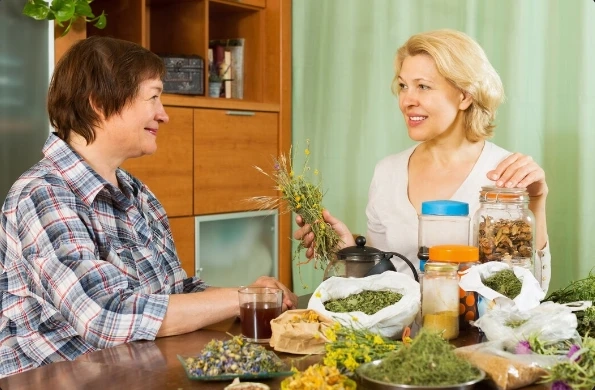
Making herbal infusions at home can be simple and rewarding. They can help with sleep, stress, digestion, and one's overall health. But small mistakes can alter the flavor, diminish nutrients, or make them less safe to drink. This guide will help you understand the process of making herbal infusions offered by brands like My Herbal Infusion LLC at home, learn about common mistakes in herbal tea preparation to improve your daily wellness routine, and discover easy fixes for them.
Understanding Herbal Infusions
What Is an Herbal Infusion
Herbal infusions are made by soaking fresh or dried herbs in hot water for a specific period of time. This process allows the water to draw out vitamins, minerals, and active compounds. Making herbal infusions at home has been a practice going on in many cultures for centuries. For instance, in ancient Egypt, people used chamomile as a sleeping drink they took before going to bed.
Why Infusions Work
The difference between an infusion and a simple cup of tea is strength. Infusions usually involve more herbs and steeping herbs for longer periods of time. This allows the release of more nutrients. For instance, nettle infusion is rich in calcium, magnesium, and iron. A single cup can have over 500mg of calcium. This makes it a great option for people looking to support bone health. A few simple checks make sure that such errors are avoided when making herbal tea.
Common Mistakes When Making Herbal Infusions
Using The Wrong Water Temperature
One of the biggest common mistakes made when preparing an herbal tea is using the wrong water temperature. Too much heat may harm tender herbs such as chamomile. Too little heat makes herbs like nettle weak and tasteless. Research indicates that antioxidants are released best in water between 90 degrees centigrade and 95 degrees centigrade. The better option in such cases (when making herbal infusion at home) is using a kettle that has temperature control.
Incorrect Steeping Time
Another error is steeping for an incorrect amount of time. If you steep for a few minutes, however, the brew will not be strong. If you leave it too long, the taste may become bitter. It is most often 10 to 15 minutes for most herbs.
For roots and more hardy herbs such as nettle, 20 to 30 minutes might be required. Proper timing enhances the taste and benefits of herbal infusions at home. Many people search for how to brew herbal tea, and it seems that time is just as important as the herb itself.
Using Poor Quality Herbs
Old or low-quality herbs reduce the power of an infusion. Herbs that look faded or smell weak may not provide enough nutrients. Contaminated herbs can also be unsafe. A global study in 2022 found pesticide residue in over 30% of herbs sold in markets. To avoid common mistakes in herbal tea preparation, always buy fresh herbs from trusted stores.
Wrong Herb-To-Water Ratio
Too much herb can make an infusion bitter. Too little herb makes it weak. The best ratio is one tablespoon of dried herb or two tablespoons of fresh herb per cup of water. Keeping this balance ensures your herbal infusions at home are both tasty and effective. Guides for herbal remedies for beginners also suggest sticking to simple ratios when starting.
Ignoring Storage Practices
Infusions are not safe to drink if kept at a temperature for too long. After 12 hours, bacteria can start growing. The best practice is to store infusions in glass jars in the fridge and drink within 24 to 36 hours. Ignoring this is a common error in herbal tea preparation and is a waste of herbs and effort.
Not Matching Herbs To Purpose
Every herb has a purpose. Trying to drink peppermint before bed will not help with sleep. Using valerian root for energy will also not help. Many people do not have a match between herbs and their goals. For sleeping, chamomile is the best. For immunity, elderberry is a good option. For digestion, ginger helps. Correct herb choice makes herbal infusions at home more effective. If relaxation is the objective, it might be useful to learn about the best herbs for relaxation.
How to Fix These Mistakes
Mastering The Basics
To avoid common mistakes in herbal tea preparation, use the right water temperature and steeping time. For leaves and flowers, you should use boiling water between 90 °C and 95 °C with a steeping time of 10 to 15 minutes. For roots and seeds, use boiling water and steep for longer. This ensures that herbal infusions at home are full of nutrients.
Choosing High-Quality Herbs
Freshness and quality matter. Look for herbs that are colorful and have a strong smell. Avoid herbs that look pale or smell weak. Always store dried herbs in airtight jars away from sunlight. For seasonal blends, try immune-boosting herbal blends made with fresh herbs.
Getting The Right Ratios
Stick to one tablespoon of dried herbs per cup of water. This simple rule makes infusions consistent. It prevents both bitterness and weakness. Following this ratio helps create reliable herbal infusions at home.
Safe Storage Practices
Store infusions in clean glass jars. Keep them in the fridge for up to 36 hours. Do not leave them out on the counter. This helps avoid wasted herbs and keeps the infusion safe. Understanding the benefits of herbal medicine shows why safe storage matters.
Intentional Herb Selection
Choose herbs for specific needs. Chamomile helps with sleep. Ginger aids digestion. Nettle provides minerals. Peppermint cools digestion. Elderberry supports immunity. Picking herbs with purpose prevents common mistakes in herbal tea preparation.
Real-World Experience
A woman once shared her experience with nettle infusion. At first, she steeped it for only 2 minutes and noticed no difference. After learning the correct method, she steeped it for 30 minutes. Within a month, she felt stronger and had more energy. This shows that small mistakes in herbal infusions at home can change the outcome.
The Bottom Line!
Making herbal infusions at home is simple when mistakes are avoided. From steeping time to herb selection, each step matters. By following these tips, you can make safe, tasty, and beneficial drinks for daily wellness. For guidance and quality information, you can trust brands like My Herbal Infusion LLC.