



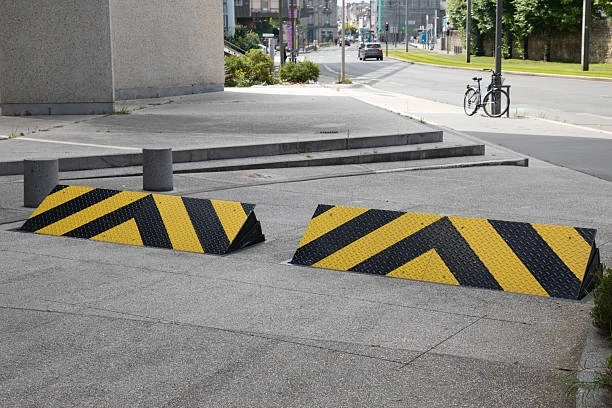
Setting up roadblocks sounds simple in theory. You block a lane, place a few cones, maybe throw up a sign—and voilà, a safe zone is established. Right? Not quite.
In practice, poorly planned or executed roadblocks can create more problems than they solve. From confusing layouts to weak barriers, mistakes happen more often than you might think—and they’re not always obvious until it’s too late.
Whether you’re managing a construction site, a festival, or a city street closure, understanding these common errors—and how to avoid them—can save time, money, and, most importantly, lives.
Mistake #1: Ignoring Visibility
A roadblock is only as effective as its ability to be seen. Far too often, planners assume “it’s obvious” or “people will notice.”
Why it’s a problem:
- Poor visibility at night or during bad weather can lead to collisions.
- Pedestrians may inadvertently enter hazardous areas.
- Vehicles may swerve at the last second, creating secondary accidents.
How to avoid it:
- Use bright colors like neon orange or yellow.
- Add reflective tape or LED lights for night-time visibility.
- Ensure barriers are not hidden by parked vehicles, foliage, or other obstacles.
Think of visibility as the first line of defense—if people don’t see the barrier in time, it might as well not exist.
Mistake #2: Using the Wrong Type of Barrier
Not all roadblocks are created equal. A pedestrian-focused zone doesn’t need the same equipment as a high-traffic vehicle detour—but mistakes happen.
Why it’s a problem:
- Lightweight cones may be blown over or ignored in high-traffic zones.
- Heavy Jersey barriers may be unnecessary for simple foot traffic, wasting resources and labor.
- Mismatched equipment can confuse pedestrians and drivers, creating risk instead of mitigating it.
How to avoid it:
- Assess the risk: Who or what are you protecting? Vehicles, pedestrians, or both?
- Choose barriers appropriate for the environment—modular plastic barricades, water-filled barriers, or metal fences depending on the need.
- Combine different types if necessary, layering protection for high-risk areas.
Equipment should fit the job, not the other way around.
Mistake #3: Poor Placement and Layout
Even the right barrier can fail if it’s in the wrong place. Misaligned or haphazard layouts are a surprisingly common problem.
Why it’s a problem:
- Gaps between barriers can become shortcuts, leading to accidents.
- Overcrowded placement can create bottlenecks, increasing the risk of crush incidents at high-density events.
- Inefficient layouts slow down emergency access, delaying response times.
How to avoid it:
- Map out the area before deployment. Identify pedestrian flow, vehicle routes, and potential choke points.
- Use layered placement: primary barriers for protection, secondary barriers for flow guidance.
- Walk through the setup yourself—or better yet, have a team do a test run to spot weaknesses.
Think of barrier placement like chess. Every piece has a purpose, and careless moves can cost dearly.
Mistake #4: Neglecting Maintenance and Inspection
A barrier set up today may not remain effective tomorrow—or even a few hours later. Environmental conditions, human interference, or repeated impacts can compromise safety.
Why it’s a problem:
- Cracked or broken barriers reduce protection.
- Faded reflective tape diminishes visibility.
- Loose connections in modular systems can create gaps or trip hazards.
How to avoid it:
- Inspect barriers before every deployment.
- Schedule periodic checks during long-term setups, especially for events or ongoing construction.
- Train staff to notice and report damage immediately.
A roadblock is not a “set it and forget it” tool. Vigilance matters.
Mistake #5: Ignoring Human Behavior
Barriers aren’t just physical objects—they interact with human psychology. People respond to cues, perception, and flow patterns, sometimes unpredictably.
Why it’s a problem:
- Poorly placed barriers can encourage rule-breaking. People may squeeze through gaps or ignore “invisible” lines.
- Confusing layouts can increase stress and anxiety, leading to unsafe behaviour in crowded spaces.
- Overly rigid placements may restrict necessary movement, like emergency evacuations.
How to avoid it:
- Consider intuitive flow: barriers should guide naturally, not force abrupt stops.
- Use clear signage in addition to physical barriers.
- Observe pedestrian and vehicle behavior during setup trials and adjust accordingly.
Anticipating how people actually move makes roadblocks far more effective than simply “blocking” areas.
Mistake #6: Overlooking Environmental Factors
Weather, terrain, and surrounding infrastructure all play a huge role in barrier effectiveness—but they’re often underestimated.
Why it’s a problem:
- Heavy rain can destabilize lightweight barriers or wash away sand-filled bases.
- Wind can topple cones or light barriers.
- Uneven ground can create trip hazards or prevent barriers from interlocking properly.
How to avoid it:
- Choose materials suited for the environment—water-filled barricades in windy or rainy areas, heavier modular systems on uneven surfaces.
- Anchor or weight barriers as needed.
- Always account for temporary hazards like mud, loose gravel, or construction debris.
Environment and equipment must work together. Ignoring one undermines the other.
Mistake #7: Failing to Plan for Emergency Access
Roadblocks are designed to protect, but they can become obstacles themselves if emergency access isn’t considered.
Why it’s a problem:
- Fire trucks, ambulances, or maintenance vehicles may get blocked.
- Staff may waste precious seconds trying to navigate around poorly deployed barriers.
How to avoid it:
- Maintain clear emergency lanes and access points.
- Use modular barriers that can be quickly removed or repositioned.
- Include emergency access in initial planning, not as an afterthought.
A barrier that protects everyone except those who need to respond in an emergency is worse than no barrier at all.
Case Study: Times Square New Year’s Eve Crowd Management
New York City’s Times Square on New Year’s Eve is a perfect example of what happens when barriers are thoughtfully—or poorly—used. Each year, millions of attendees gather in one area, and every block, lane, and pedestrian path must be managed precisely.
Common pitfalls avoided:
- Visibility: High-visibility fences and LED-equipped barricades guide attendees.
- Layered protection: Barricades separate pedestrian-only zones from vehicle routes and emergency access lanes.
- Flow management: Retractable belt barriers and modular fencing create intuitive queues for entry points and security checkpoints.
The result is a complex choreography of movement where mistakes could be catastrophic—but careful planning and deployment minimize risks year after year. This shows that even extreme high-density zones can function safely when common mistakes are addressed.
Tips to Avoid Roadblock Mistakes
- Plan thoroughly: Consider the environment, traffic, crowd density, and emergency requirements.
- Select the right equipment: Match barrier type to risk level and intended function.
- Prioritize visibility: Bright colors, reflective tape, and lighting matter more than you might think.
- Inspect regularly: Make maintenance and monitoring part of your standard protocol.
- Observe human behavior: Test setups with actual flow patterns in mind.
- Layer protection: Combine types of barriers to manage both pedestrians and vehicles effectively.
- Keep emergency access clear: Never sacrifice safety for convenience or aesthetics.
Key Takeaways
- Roadblocks fail when visibility, placement, or barrier type is ignored.
- Human behavior and intuitive flow are just as important as physical protection.
- Regular inspection and maintenance prevent small issues from becoming major hazards.
- Environmental factors—weather, terrain, and surrounding infrastructure—must be considered.
- Emergency access lanes are critical and should be integrated into the initial plan.
- Real-world examples, like Times Square, highlight the importance of avoiding common mistakes.
Frequently Asked Questions
How often should roadblocks be inspected?
Before deployment and periodically during long-term setups. Events and construction zones may require multiple checks daily.
2. Can mistakes in barrier setup really cause accidents?
Absolutely. Improper visibility, gaps, or poorly placed barriers can result in collisions, trips, or crowd crush incidents.
What is the most common barrier mistake?
Ignoring visibility is arguably the most frequent and dangerous error. Even a strong, durable barrier won’t prevent accidents if no one sees it.
Are modular barriers easier to deploy correctly?
Yes, they offer flexibility, are often interlocking, and can be repositioned quickly to suit changing conditions.
How can I anticipate human behavior in a crowd?
Observe flow patterns in similar settings, conduct test runs, and consider psychological cues like natural walking paths, entry/exit points, and perceived safety zones.
What is the first step in avoiding setup mistakes?
Start with a thorough site assessment: map pedestrian and vehicle flow, identify high-risk zones, and choose barriers suited to both the environment and the intended purpose.
Conclusion
Setting up roadblocks isn’t just about “putting up a few cones.” It’s about strategic planning, anticipating human behavior, and accounting for environmental challenges. The wrong type of barrier, poor placement, or overlooked maintenance can transform a safety tool into a hazard itself.
By avoiding common mistakes—ensuring visibility, selecting the right equipment, layering protections, maintaining barriers, and planning for emergencies—you can turn potential chaos into controlled, safe zones.
In the end, effective roadblocks combine smart equipment, thoughtful layout, and ongoing attention to detail. They aren’t just obstacles—they’re tools that guide people, protect lives, and keep projects, events, and streets running smoothly.