



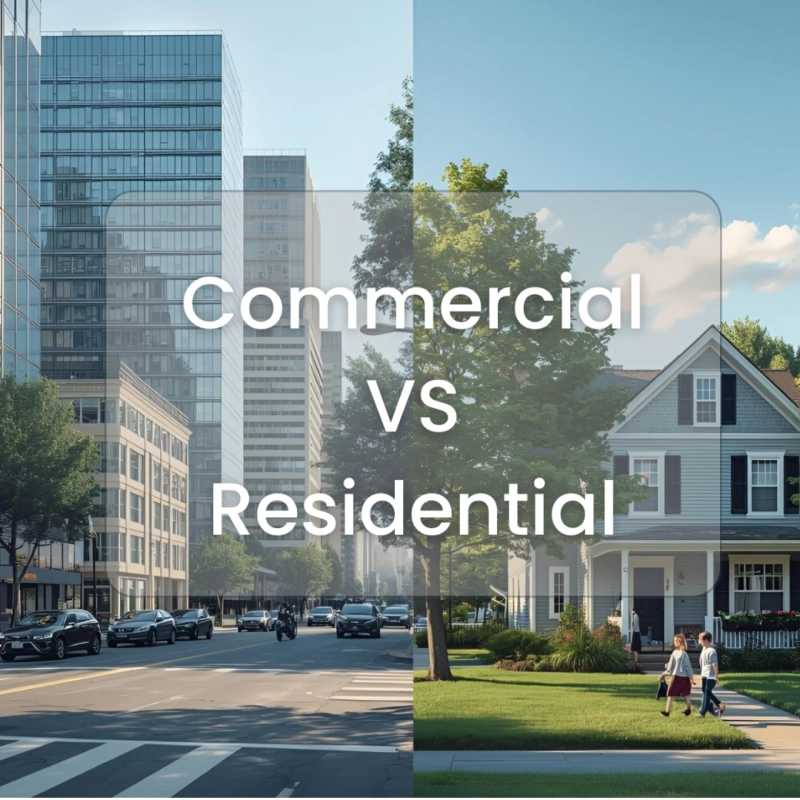
When I first dipped my toes into real estate investing, residential properties felt familiar and manageable. Single-family rentals, duplexes, even small multifamily—these were deals I could wrap my head around. I knew how to run comps, inspect a roof, and check the neighborhood vibe. But the moment I stepped into my first commercial deal, I realized just how different the game really was.
I thought due diligence was due diligence—pull the numbers, check the condition, and move forward. But commercial due diligence? That was a whole new animal. And truth be told, I wasn’t ready for it.
So if you're considering jumping from residential to commercial investing—or just curious about what separates the two—let me walk you through what I’ve learned, mistake by mistake, win by win.
1. The Numbers Mean Different Things
In residential investing, due diligence often starts with comparable sales. What's the house down the street worth? What did a similar duplex sell for last month? Your lender cares about comps, and so do you.
But in commercial? Comps matter, sure—but income matters more.
In my first commercial deal, a small retail strip, I learned quickly that property value isn’t determined by what the guy next door paid. It’s determined by net operating income (NOI) and cap rate. I had to unlearn my residential instincts and get used to asking:
“What’s the income stream, and how reliable is it?”
That means scrutinizing leases, understanding escalations, and forecasting future cash flow. It's more like evaluating a business than a building. And if you miss something in that analysis, it can cost you—big.
2. Leases Are Everything in Commercial
In residential, leases are pretty standard. One-year terms, maybe month-to-month. Nothing fancy.
But in commercial real estate, I quickly learned that every lease is its own legal universe. During my second commercial acquisition (an office building), I spent more time reviewing leases than I did on physical inspections. Why? Because one tenant’s lease had a termination clause buried in legalese—and they ended up leaving early. That alone threw off our entire cash flow projection.
Now, I know to look for:
- Lease expirations and renewal options
- Rent escalations and reimbursement clauses
- Responsibility for maintenance, taxes, and insurance (i.e., triple net vs. gross)
- Tenant financial strength
I also learned the value of tenant estoppel certificates—documents signed by tenants confirming lease terms, payments, and conditions. If the leases are the income stream, then tenant cooperation is your reality check.
3. Zoning and Permitting Are Way More Critical
I once bought a residential fourplex without even checking the zoning. It was grandfathered in, fully rented, and everything checked out.
That won’t cut it in commercial.
I learned this the hard way when I pursued a mixed-use property. Halfway through due diligence, we discovered that a portion of the lot had zoning restrictions that limited future redevelopment. That crushed our value-add plan.
Now, in any commercial deal, I verify:
- Zoning compatibility with current use and future plans
- Local ordinances, setback rules, and height limits
- Permits for improvements and code compliance
I even meet with the city planning office if the deal is sizable. Commercial deals often hinge on what you can do, not just what exists today.
4. Environmental Risks Can Be Deal Killers
In residential real estate, I rarely worried about environmental assessments. But in commercial, it's standard—and for good reason.
One of the first lessons I learned in commercial investing is to never skip the Phase I Environmental Site Assessment. I once looked at an old industrial property that seemed like a bargain. Beautiful space, good location—but the environmental report revealed historic contamination. Clean-up would’ve cost six figures, and financing would’ve been nearly impossible.
Now, environmental due diligence is a non-negotiable:
- Phase I ESA to identify potential contamination
- Phase II (if needed) with soil or groundwater testing
- Asbestos, lead paint, or mold reports in older buildings
Even if I’m not liable personally, lenders and insurance providers care deeply—and buyers will too when it’s time to sell.
5. Physical Inspections Are More Technical
In residential deals, I’m used to home inspections: roof, HVAC, plumbing, foundation. You walk through, take photos, and read a short report.
Commercial properties require specialized inspections, and they’re not cheap—but they are essential.
For example, in a 20,000-square-foot warehouse deal I evaluated, I hired:
- A structural engineer to inspect roof load and integrity
- An HVAC contractor to review the industrial cooling system
- A roofing specialist to assess lifespan and warranty
- A fire code expert for compliance review
Yes, the inspection budget ran higher than I was used to—but the level of detail justified it. We caught issues early, negotiated seller credits, and avoided future liability.
6. The Lender's Role Is Different
I used to think getting financing was a fairly standard process. In residential, it's mostly about your personal credit, income, and the property appraisal.
But in commercial, the asset itself must underwrite well, and the lender wants to see a stabilized NOI, solid tenant mix, and a realistic pro forma.
I remember being surprised when a lender declined one of my early commercial deals—not because I wasn’t qualified, but because they didn’t like the lease rollover risk in year two.
Commercial lenders dig into:
- Debt service coverage ratio (DSCR)
- Occupancy rates and tenant quality
- Market vacancy trends
- Borrower’s experience with commercial assets
And they often require third-party reports like appraisals, ALTA surveys, and environmental studies—all of which I now plan for in advance.
7. Timelines and Costs Are Longer
Residential due diligence might take 10 to 14 days. You get an inspection, review the appraisal, and you’re good to go.
Commercial? You’ll need 30–60 days, minimum.
Why? Because:
- Leases take time to review and confirm
- Third-party reports (environmental, appraisal, engineering) can take weeks
- Title work is more complex, especially with easements and shared lots
- Legal reviews are essential for operating agreements and lease clauses
It took me a while to adjust to the longer timelines and higher closing costs. But once I did, I started budgeting for it. A slower deal with thorough due diligence is always better than rushing into a bad investment.
8. The Stakes Are Higher—but So Are the Rewards
Here’s the bottom line: Commercial due diligence is more complex because the stakes are higher.
In residential, a misstep might cost you a few thousand dollars or a slight dip in cash flow. In commercial, a missed detail in a lease or a zoning issue could wipe out your profit—or even tank the deal altogether.
But the upside is also bigger.
Once I learned how to navigate the commercial due diligence process, I began to appreciate the control, cash flow, and scalability that these deals offer. The lessons were hard-earned, but I wouldn’t go back.
Today, I’ve built systems around commercial due diligence:
- I work with a trusted team of professionals (attorneys, inspectors, lenders)
- I use due diligence checklists for every deal
- I stay organized, ask questions early, and never assume
My Final Thoughts: Don’t Let the Learning Curve Scare You
If you’re moving from residential to commercial investing, don’t let the complexity scare you. Yes, the due diligence is more involved. Yes, it takes time, money, and a different mindset. But it’s absolutely worth learning.
The key is to approach every deal with humility and curiosity. Ask more questions than you think are necessary. Read every document. Verify every number. And surround yourself with people who’ve done it before.
Commercial real estate taught me how to become a sharper, more strategic investor—and that transformation started with understanding due diligence at a deeper level.
If you're ready to make that leap, just remember: your residential experience is helpful—but your commercial success depends on learning new rules.
And trust me—once you do, everything changes.