



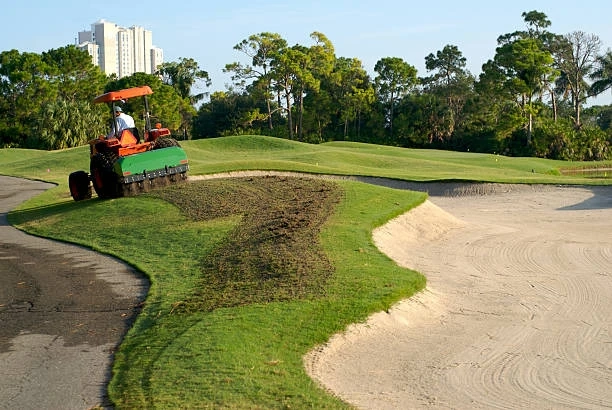
Traditional infrastructure construction sites showcase the strength and durability of concrete, asphalt and structural design elements. For decades, this was the primary focus of development. But it is not enough to simply create an asset and leave the site for the natural environment to take over. Sustainability has become an essential element in all construction delivery, and that includes the landscapes surrounding built assets.
Landscaping is part of the broader built environment. It helps shape project performance, safety and visual appeal. As a result, commercial landscape maintenance services are now considered just as critical as the initial construction. Delivering high-quality land management means considering how a space will look, feel and function from the very first design decisions.
Meeting environmental, operational and community expectations requires a holistic view that doesn’t see the built environment and the natural environment as separate entities. Instead, modern infrastructure projects recognise the value of carefully integrating landscaping into their design and maintaining it into the future.
Planning and delivery
Landscaping and infrastructure construction need to be planned with the other hand in mind. This approach helps to optimise asset performance and value for money over time. The built environment can work with the natural environment in different ways. Planning and delivery are ideal times to design these relationships. Projects are less likely to face future maintenance and compliance challenges when these are considered up front.
Key reasons to start landscaping early include:
- Durability and longevity – Planning with this in mind means better site conditions that support operational needs.
- Safety – Optimal landscaping planning includes visibility and access factors that are often directly linked to the safety of the built environment.
- Environment – Australian states have different environmental requirements for new development. Infrastructure construction teams have to meet these criteria to achieve approval, and it is common for vegetation to form a part of erosion control, stormwater management and biodiversity support.
- Aesthetics and community amenity – The built environment is designed for communities, so the landscape around it must be suitable too. A well-planned and maintained landscape will improve amenity and add to the aesthetic value of a project.
Asset longevity
Infrastructure projects are intended to last for many decades. The longer an asset is in use, the more important the supporting landscape becomes. Proper planning, construction and maintenance can help to improve or maintain a long-term asset by:
- Reducing stormwater damage – Water is one of the most damaging natural events on infrastructure assets. Healthy landscapes can mitigate risk by improving water flow and holding more moisture before heavy rain events.
- Stabilising soil – Landscaping plants and soil mixtures can be used to stabilise the ground around infrastructure. This also assists with erosion control and the longevity of surrounding pavement areas.
- Supporting underground structures – Well-maintained landscaping can protect underground assets from damage. This includes road basements, drainage pipes and other hidden elements that are often more difficult to replace or repair than above-ground features.
Safety and compliance
Infrastructure safety is a critical concern for everyone involved in the design and construction phases. By extension, landscapes that form part of an asset must also consider safety factors such as:
- Line of sight – Vegetation that obscures the line of sight around roads or public areas can affect visibility for drivers and pedestrians. This can increase the risk of accidents and other safety issues.
- Access routes – Well-managed landscaping provides clear access around assets. The presence of too many large plants can impede public paths and interfere with maintenance operations.
- Site hazards – From exposed roots to uneven surfaces, landscaping can cause hazards to form on an infrastructure asset. As a result, landscaping maintenance helps to remove these risks before they become issues for the built environment.
Compliance requirements are another key aspect of safety, and landscaping plays an important role. For example, erosion control and stormwater management are areas that need particular attention in every Australian state. Compliance also typically extends to maintaining vegetation on handover, to ensure it is up to a required standard before it becomes the responsibility of the asset owner.
Visual appeal and community support
Infrastructure is built for communities, and the right landscaping can make a big difference to how the public feels about it.
Visual appeal and aesthetics are a crucial part of new infrastructure. A poorly maintained landscape can detract from the entire project and give a negative impression of the developer or building owner. Communities will often use nearby infrastructure daily. A landscape that supports amenity can help to create safe and welcoming public areas. As well as general landscaping maintenance, this could also include street trees, park planting and other landscaping services.
Maintenance
The success of a landscaping plan is directly related to its maintenance. As a result, ongoing site checks are crucial for every modern infrastructure asset.
Landscapes must adapt to weather events, environmental changes and patterns of public use. Ongoing maintenance is an important element of infrastructure that requires:
- Monitoring – Regular inspections support asset management teams in keeping their sites safe and well-maintained.
- Weed control – Weeds are one of the most challenging landscaping maintenance elements. Invasive weeds spread easily and can damage assets or make their upkeep more difficult.
- Vegetation removal – Maintenance teams also need to ensure that large plants do not overtake infrastructure assets. Maintaining sightlines and access routes often requires removing or pruning vegetation.
Tools and Machinery – Machinery can also cause damage to landscapes. Regular checks on asset management equipment ensure that the right tools are being used for the work being performed.
Maintenance teams are often the first line of defence when it comes to monitoring the performance of a built asset. This means that well-managed, landscaped sites are more likely to be safe and sustainable for years to come.
Collaborative landscaping and construction
Infrastructure construction must be collaborative, and it is no longer possible to consider the built environment and the natural environment in isolation.
Landscaping is an essential element in optimising long-term asset performance and value. The natural environment and built environment must work together to reduce maintenance risk, improve safety and support the project against variations in climate.
Modern asset management is about carefully considering a number of complex elements and managing them for maximum benefit. Infrastructure construction is one of them. Landscaping is another, and the right services at the right time are essential for the health of both.