



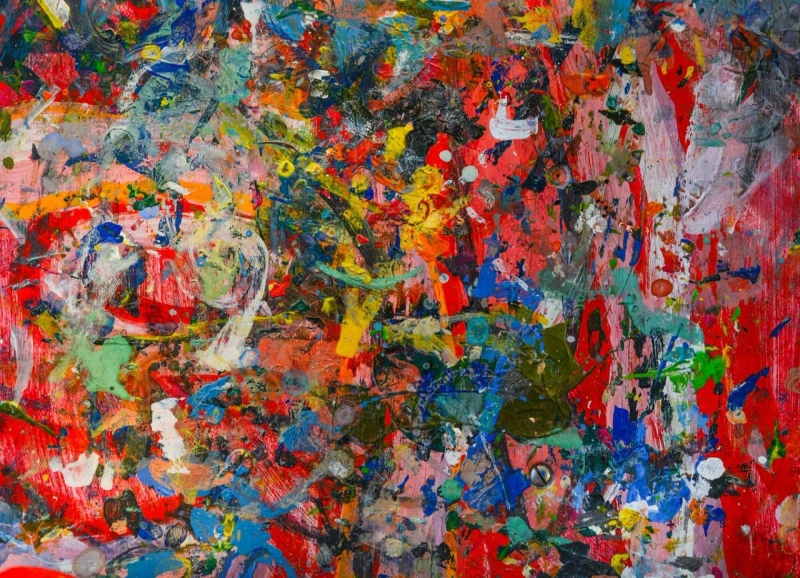
Modern audiences often describe contemporary art as unpredictable, vibrant, and deeply connected to our everyday experiences. This sense of surprise and discovery is what makes visiting galleries or exploring digital exhibitions so engaging. It feels similar to navigating an interactive platform like spin galaxy, where every choice opens a new layer of excitement. In both cases, curiosity leads the way, and each interaction sparks a unique response.
Defining contemporary art
Contemporary art refers to works created roughly from the late 20th century to the present day. Unlike traditional movements with strict rules, it embraces diverse media—painting, digital installations, performance, sculpture—and blends cultural influences from across the globe. According to data from the Art Basel and UBS Global Art Market Report 2023, sales in the contemporary segment grew by 3% to reach over $19 billion, showing its strong appeal.
Key characteristics of contemporary art:
- experimentation with mixed media and technology,
- focus on current social, political, and environmental themes,
- active audience participation in exhibitions,
- fluid boundaries between fine art and design.
Innovation through technology
Many artists now incorporate artificial intelligence, augmented reality, or interactive screens into their works. This innovation allows viewers to become participants rather than passive observers. For example, some museums in Europe reported that immersive installations increased visitor numbers by 27% compared to traditional static shows. The dialogue between technology and art is redefining how people perceive creativity.
Popular technological integrations:
- projection mapping on urban buildings,
- AI‑generated patterns blended with hand‑painted details,
- virtual reality experiences that place viewers inside the artwork,
- responsive sculptures that change with audience movement.
Global influence and diversity
Contemporary art is no longer centered in a few cultural capitals; it thrives everywhere. Artists from Africa, Latin America, and Asia are now headlining major exhibitions, bringing regional narratives into the international spotlight. “Art today is a conversation without borders,” said curator Maria Torres in a recent interview, highlighting how collaboration drives innovation.
Regions shaping the scene:
- Seoul and Tokyo with cutting‑edge digital installations,
- Lagos and Johannesburg with vibrant street‑art movements,
- São Paulo and Mexico City with experimental collectives,
- Berlin and London with hybrid galleries merging art and tech.
Why it matters
Contemporary art challenges us to think differently. It reflects the speed of modern life, the interconnectedness of cultures, and the endless possibilities of human imagination. For collectors, creators, and casual visitors alike, it offers not just aesthetic pleasure but also a way to engage with ideas shaping our time.
To stand before a piece of contemporary art is to enter a dialogue—a space where emotion meets intellect, and tradition meets innovation. By embracing new forms, unexpected methods, and global voices, modern art continues to inspire and energize, proving that creativity remains one of humanity’s most powerful forces.