



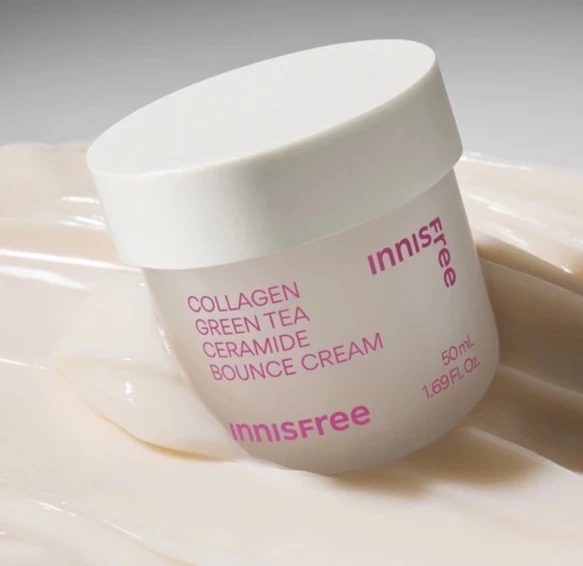
Winter brings chilly winds, low humidity, and indoor heatingall of which can take a toll on your skin. Without proper care, skin can quickly become dry, irritated, and sensitive. Following a targeted cold weather skincare approach is essential to maintain hydration, comfort, and long-term skin health during the winter months.
Why Cold Weather Affects Your Skin
Cold temperatures reduce moisture levels in the air, causing your skin to lose hydration faster than usual. At the same time, indoor heating weakens the skin barrier, leading to flakiness and redness. This makes winter skin protection a critical part of daily self-care, especially for people living in harsh or snowy regions.
Those who don’t adjust their skincare habits often struggle to prevent dry skin in winter, regardless of skin type. Even oily skin can become dehydrated if not properly protected.
Build a Winter Skincare Routine That Works
An effective winter skincare routine starts with gentle cleansing. Avoid foaming or alcohol-based cleansers, as they strip away natural oils. Instead, choose a hydrating cleanser that supports the skin barrier and prepares the skin for moisture retention.
Next, apply a lightweight hydrating serum or toner containing ingredients like hyaluronic acid or glycerin. These products attract moisture and are especially beneficial for skincare for cold climates, where dryness is unavoidable.
Moisturize to Lock in Hydration
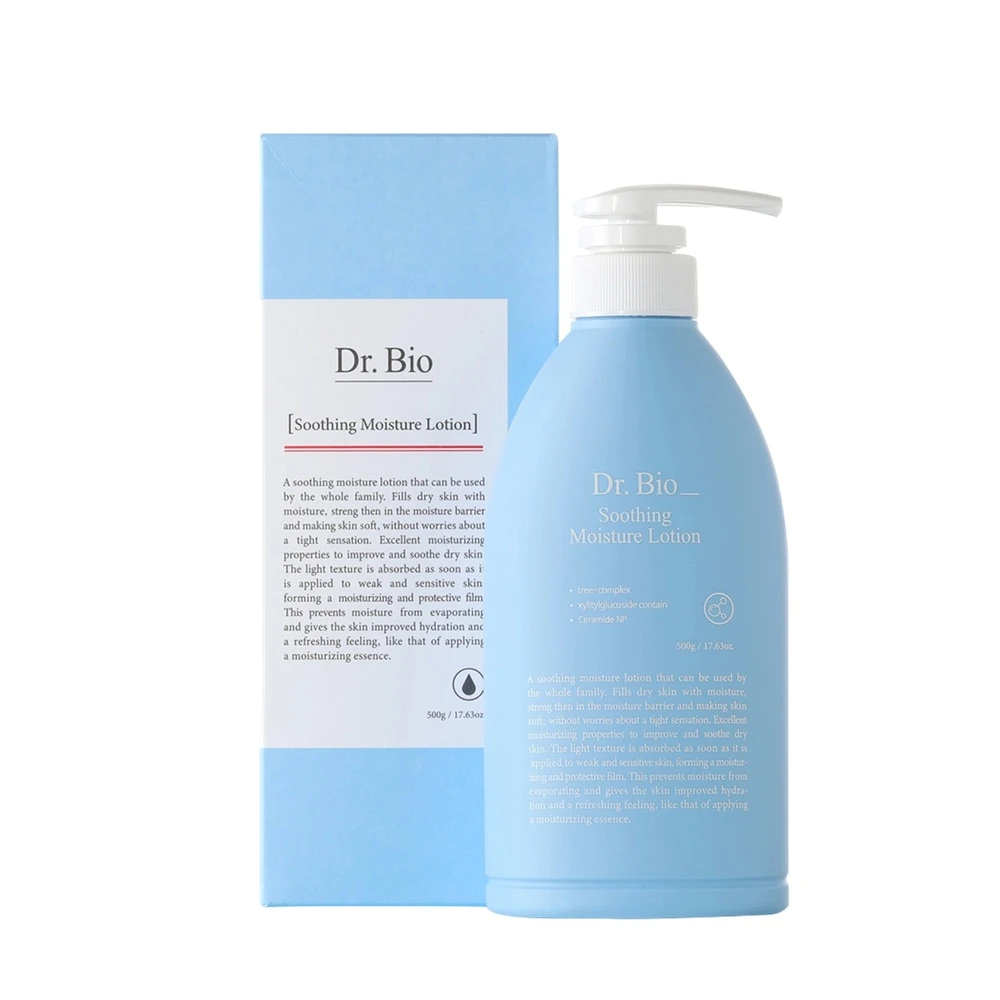
Moisturizing is the foundation of successful cold weather skincare. Switch to richer creams that create a protective barrier against cold air and wind. These formulations are designed to prevent dry skin in winter by sealing in moisture for longer periods.
Apply moisturizer while your skin is still slightly damp to enhance absorption. For nighttime care, use a thicker cream to support skin repair while you sleep.
Don’t Forget Sunscreen in Winter
UV exposure doesn’t disappear in winter. Snow reflects sunlight, increasing UV damage risk. Daily sunscreen application is essential for complete winter skin protection. Use a broad-spectrum SPF and apply it to all exposed areas, including your face, neck, and hands.
Care for Hands, Lips, and Body
A complete winter skincare routine should include hand creams, lip balms, and body moisturizers. Hands and lips are particularly vulnerable in cold weather. Apply hand cream after washing and use lip balm throughout the day to avoid cracking.
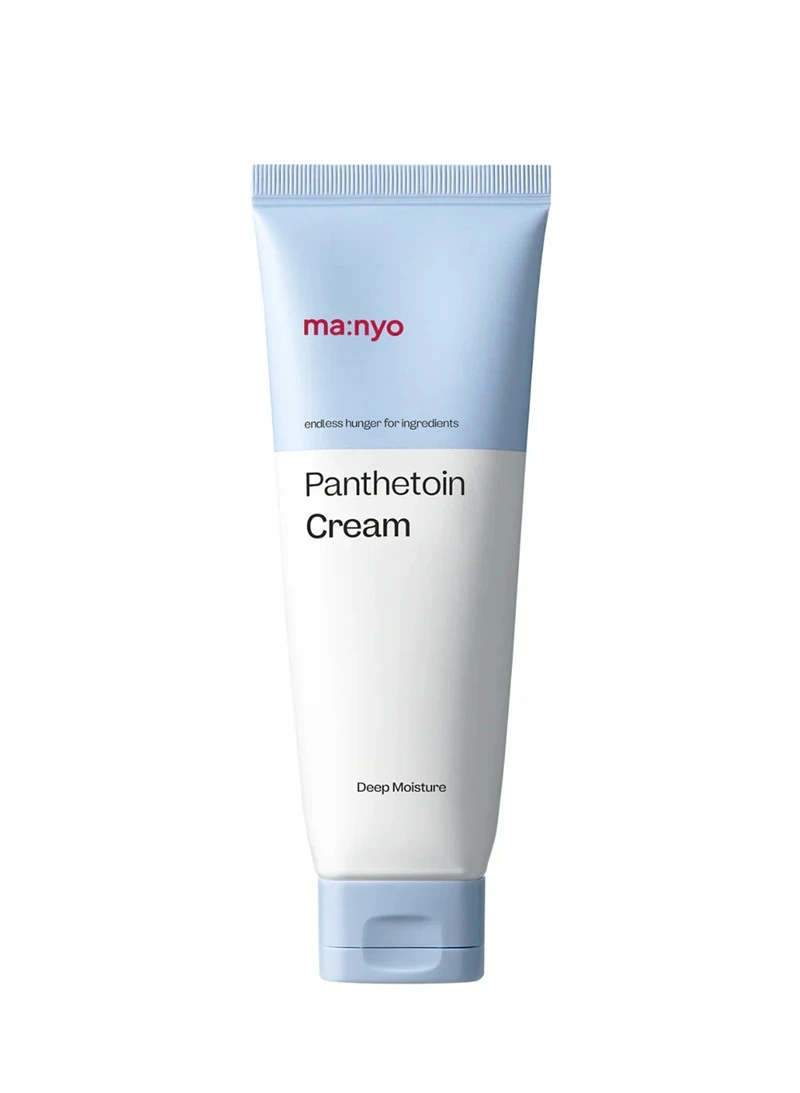
For body care, use thicker lotions or creams immediately after showering. Keep showers lukewarm, as hot water can worsen dryness and damage the skin barrier.
Support Skin Health from Within
Healthy skin starts internally. Drinking enough water and eating nutrient-rich foods help improve hydration and resilience. Omega-3 fatty acids and antioxidants are especially helpful for maintaining moisture balance and supporting skincare for cold climates.
Protecting your skin during winter requires consistency, the right products, and seasonal adjustments. By following an effective winter skincare routine and prioritizing cold weather skincare, you can strengthen your skin barrier and maintain hydration all season.
With the right approach, it’s possible to prevent dry skin in winter and achieve long-lasting winter skin protection, no matter how cold it gets.