Ensuring the safety and efficacy of vaccines has always been a top priority for public health authorities in Canada. With vast geographic distances, extreme weather conditions, and remote communities spread across provinces, maintaining cold chain integrity — the process of keeping vaccines within a specific temperature range from production to administration — is a formidable challenge. The rise of the Internet of Things (IoT) is transforming this landscape by enabling smarter, real-time tracking systems that safeguard vaccine quality and reduce wastage.
In this blog, we explore how IoT tracking technology is revolutionizing vaccine cold chain management in Canada, the benefits it offers to healthcare systems, and the innovations that promise to make immunization logistics more reliable and transparent than ever before.
Understanding Cold Chain Integrity
What Is the Vaccine Cold Chain?
The vaccine cold chain refers to the temperature-controlled supply chain required for storing and transporting vaccines from manufacturers to immunization points. Most vaccines must be maintained within a narrow temperature range — typically between 2°C and 8°C — to remain effective. Any deviation, whether during transport, storage, or handling, can render vaccines ineffective or even unsafe.
The Importance of Cold Chain in Canada
Canada’s diverse geography, from urban centers to northern territories, poses logistical hurdles in vaccine distribution. In regions such as Yukon or Nunavut, transportation delays or harsh winter conditions can easily compromise vaccine temperatures. Maintaining cold chain integrity ensures that every dose administered delivers its intended immunity — a crucial factor in public trust and health outcomes.
Challenges in Maintaining Vaccine Cold Chain
1. Geographic and Environmental Barriers
Canada’s vast distances and unpredictable weather conditions increase the risk of temperature excursions during transit. Remote communities may rely on air transport or long road trips, both of which make monitoring difficult.
2. Manual Monitoring and Limited Visibility
Traditional methods of temperature monitoring often rely on manual checks and logbooks, which are prone to human error and data gaps. Without real-time visibility, it’s impossible to detect and correct temperature deviations before they compromise vaccine quality.
3. Equipment Malfunctions
Refrigeration units, cold boxes, and freezers can malfunction without warning. Without automated alerts, such failures may go unnoticed until it’s too late, leading to significant vaccine losses.
The Role of IoT in Cold Chain Tracking
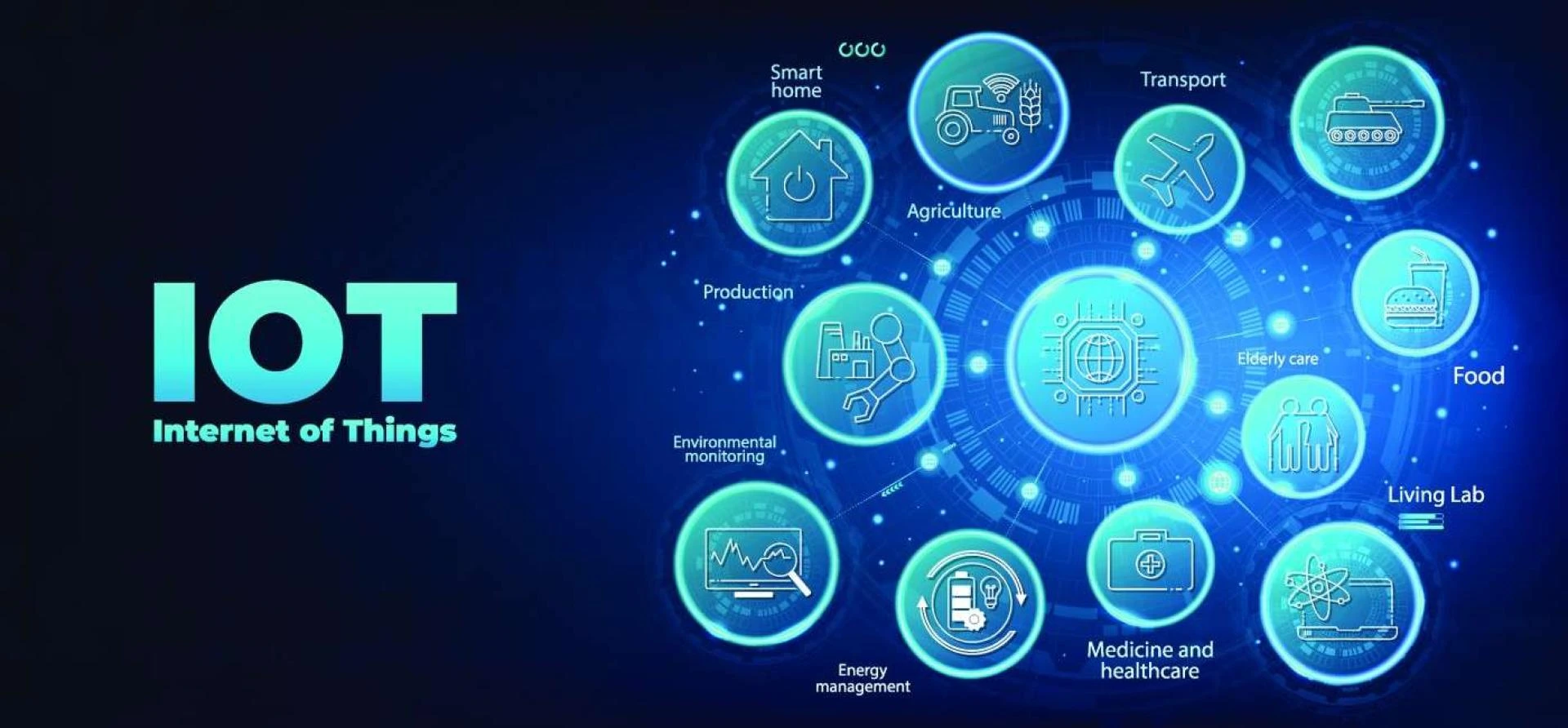
IoT technologies are reshaping vaccine logistics by providing a continuous flow of data from sensors and smart devices. These systems enable real-time monitoring, automated alerts, and data-driven decision-making to ensure every vaccine remains within the required temperature range.
How IoT Tracking Works
IoT-enabled sensors are attached to vaccine shipments or storage units. These sensors continuously record data such as:
- Temperature and humidity levels
- GPS location
- Light exposure (to detect unauthorized opening)
- Shock or vibration during transit
This data is transmitted via cellular or satellite networks to cloud platforms, allowing logistics teams and health officials to monitor conditions remotely in real time.
Integration with Data Analytics and Cloud Systems
Cloud-based dashboards compile and visualize sensor data, making it accessible from anywhere. Advanced analytics can detect anomalies, predict risks, and generate automatic alerts if conditions deviate from safety thresholds.
When combined with blockchain technology, IoT data can also enhance traceability, ensuring transparency and accountability across every stage of the vaccine’s journey.
Benefits of IoT Tracking for Canadian Vaccine Supply Chains
1. Real-Time Visibility
Healthcare providers can monitor vaccine shipments at every stage, reducing uncertainty and improving response times when issues arise.
2. Reduced Wastage
Automated temperature alerts prevent spoilage by allowing immediate corrective actions, such as rerouting or re-cooling shipments.
3. Improved Accountability
IoT tracking ensures every stakeholder — from manufacturers to distributors and healthcare workers — has verifiable records of storage conditions. This transparency strengthens quality assurance and compliance.
4. Data-Driven Decision-Making
By collecting large volumes of temperature and route data, health authorities can optimize logistics routes, predict failures, and plan better resource allocation for future immunization drives.
5. Enhanced Public Confidence
When citizens know that vaccines are handled with precision and care through advanced technology, public trust in vaccination programs increases — a crucial factor during pandemic or mass immunization campaigns.
Case Study: IoT-Enabled Vaccine Distribution in Canada
During the COVID-19 vaccination campaign, Canadian provinces leveraged connected cold chain technologies to ensure rapid and safe vaccine delivery. Real-time data from IoT sensors helped authorities track shipments across vast distances, even under extreme temperatures.
In one example, a major logistics provider partnered with federal health agencies to deploy IoT temperature monitors across vaccine containers. When a temperature deviation was detected in transit, alerts were instantly sent to supervisors, who redirected shipments to nearby storage centers — saving thousands of doses.
These systems are now being integrated into routine immunization programs to enhance long-term supply chain resilience.
Implementing IoT Solutions for Vaccine Cold Chain Integrity
Step 1: Assessment and Planning
Organizations begin by assessing their current supply chain vulnerabilities, including storage locations, transit routes, and existing monitoring capabilities.
Step 2: Sensor Deployment
Smart sensors are installed in freezers, refrigerators, and transport units. Each sensor must be calibrated to meet regulatory accuracy standards.
Step 3: Cloud Integration
Data from sensors is transmitted to cloud-based dashboards that allow real-time tracking, analytics, and compliance reporting.
Step 4: Automation and Alerts
Automated systems can trigger SMS, email, or mobile alerts when temperatures move out of range. These immediate warnings prevent losses before they escalate.
Step 5: Continuous Improvement
Data analytics reveal long-term trends, helping health departments refine their processes, improve route planning, and upgrade infrastructure.
The Growing Role of Technology Providers
Canadian healthcare and logistics sectors increasingly rely on technology partners to design and deploy IoT-based cold chain systems. These partnerships often involve end-to-end solutions that cover everything from hardware sensors and cloud platforms to predictive analytics tools.
Organizations seeking reliable IoT software development services often turn to experienced technology firms that specialize in real-time monitoring platforms and secure data architecture. Such expertise ensures the seamless integration of IoT systems with existing health infrastructure while maintaining data security and regulatory compliance.
Regulatory Compliance and Data Security
Ensuring Data Privacy
IoT systems handling vaccine data must comply with Canadian privacy regulations, including the Personal Information Protection and Electronic Documents Act (PIPEDA). Data encryption, secure APIs, and user access controls are essential to maintaining confidentiality and preventing cyber threats.
Meeting Health Canada Standards
All cold chain monitoring devices must meet Health Canada’s regulatory standards for accuracy and reliability. Regular calibration, data validation, and audit trails ensure compliance and accountability across the vaccine supply chain.
The Future of Vaccine Logistics in Canada
AI and Predictive Analytics
Artificial intelligence will play a vital role in anticipating temperature deviations before they occur. Machine learning models can analyze sensor data to forecast potential failures and suggest preventive actions.
Blockchain Integration
Combining blockchain with IoT tracking creates tamper-proof vaccine records, ensuring transparent and immutable data trails from production to delivery.
Sustainable Cold Chain Solutions
With Canada’s commitment to sustainability, eco-friendly refrigeration units and solar-powered systems are being tested to reduce the carbon footprint of vaccine distribution in remote areas.
National IoT Infrastructure Expansion
As IoT networks expand across rural and northern regions, vaccine tracking will become more reliable and consistent, reducing disparities in healthcare access across the country.
Challenges Ahead
While IoT adoption brings significant benefits, several challenges remain:
- Connectivity gaps in remote areas limit real-time data transmission.
- High upfront costs for sensors and platforms can be a barrier for smaller healthcare providers.
- Data management complexity grows as systems scale, requiring skilled personnel and robust cybersecurity measures.
Overcoming these hurdles will require government investment, private-sector collaboration, and continuous innovation.
Conclusion
Cold chain integrity is the backbone of effective vaccine distribution in Canada. IoT tracking has emerged as a game-changing solution, ensuring that vaccines remain safe, potent, and traceable from manufacturer to patient — even in the most remote parts of the country. As technology evolves, these systems will become smarter, more predictive, and more accessible, enabling a future where no vaccine dose is wasted and every community, no matter how distant, receives reliable care.
FAQs
1. What is cold chain integrity in vaccine distribution?
Cold chain integrity refers to maintaining vaccines within a specified temperature range throughout storage and transportation to preserve their efficacy and safety.
2. How does IoT improve vaccine cold chain management?
IoT devices provide real-time monitoring of temperature, location, and other environmental factors, helping detect issues early and prevent vaccine spoilage.
3. Why is cold chain integrity particularly important in Canada?
Canada’s vast geography, variable climate, and remote communities make consistent temperature control challenging. IoT technology ensures safe vaccine delivery across these regions.
4. What are the key components of an IoT-based cold chain system?
They include temperature and humidity sensors, GPS trackers, cloud-based dashboards, and automated alert systems that ensure continuous monitoring and data transparency.
5. How secure are IoT vaccine tracking systems?
Modern IoT systems use encryption, authentication protocols, and compliance with privacy laws such as PIPEDA to safeguard sensitive health data.
6. What is the future of IoT in vaccine logistics?
The future will likely involve AI-driven predictive analytics, blockchain integration for data transparency, and wider adoption of sustainable and energy-efficient cold chain solutions.