



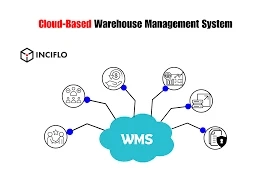
As order volumes grow and customer expectations rise, traditional warehouse methods and on-premise software struggle to keep up. A Cloud Based Warehouse Management System (WMS) offers a modern solution by bringing warehouse operations onto a scalable, real-time, and accessible digital platform.
A cloud based WMS helps businesses manage inventory, track stock movements, optimize picking and packing, and coordinate shipping from anywhere through the internet. By eliminating hardware dependency and enabling real-time synchronization, it transforms how warehouses function in today’s fast-paced supply chain environment.
What is a Cloud Based Warehouse Management System?
A Cloud Based Warehouse Management System is a software application hosted on cloud servers that manages and controls daily warehouse operations. Unlike traditional systems installed on local computers or servers, a cloud WMS can be accessed through web browsers or mobile devices, providing flexibility and real-time data access across locations.
It integrates with inventory systems, order management platforms, shipping carriers, and ERP solutions to create a connected warehouse ecosystem.
Core Functions of a Cloud Based WMS
A cloud WMS manages every critical warehouse task, including:
- Inventory tracking and stock visibility
- Goods receiving and put-away management
- Barcode and RFID scanning for accuracy
- Picking, packing, and shipping coordination
- Returns and reverse logistics handling
- Warehouse space optimization
- Reporting and performance analytics
Key Features of Cloud Based Warehouse Management
Real-Time Inventory Visibility
Stock levels update instantly when items are received, moved, picked, or shipped. This prevents stockouts and overstocking.
Remote Accessibility
Managers and staff can access the system from any location using internet-enabled devices.
Barcode and RFID Integration
Scanning technologies improve accuracy and speed in tracking goods.
Automated Picking and Packing
Smart algorithms guide workers through the most efficient picking routes.
Integration with Other Systems
Seamless connection with ERP, order management systems, and shipping partners.
Multi-Warehouse Support
Centralized control over multiple warehouse locations from one platform.
Scalable Infrastructure
Easily adapts to growing inventory and order volumes without additional hardware.
Benefits of Implementing a Cloud Based WMS
Reduced Operational Costs
No need for expensive servers, maintenance, or IT infrastructure.
Faster Implementation
Cloud solutions can be deployed quickly without complex installation.
Improved Accuracy
Automation and scanning reduce human errors in inventory handling.
Enhanced Productivity
Optimized workflows increase the speed of warehouse operations.
Better Space Utilization
Intelligent storage recommendations help maximize warehouse capacity.
Data Security and Backup
Cloud providers offer strong security measures and automatic backups.
How Cloud WMS Improves Warehouse Efficiency
A cloud based WMS streamlines warehouse operations by organizing tasks systematically. When goods arrive, the system suggests the best storage location. During order fulfillment, it provides optimized picking routes to reduce travel time inside the warehouse. Shipping labels and documentation are generated automatically, speeding up dispatch.
Real-time dashboards allow managers to monitor worker productivity, order status, and inventory movement, enabling quick decision-making.
Supporting eCommerce and Omnichannel Fulfillment
With the rise of eCommerce and omnichannel retail, warehouses must fulfill orders from multiple platforms quickly. A cloud WMS integrates with online stores and marketplaces to receive orders instantly. This allows warehouses to process high volumes of orders without delays.
Features like batch picking, wave picking, and cross-docking help manage large order volumes efficiently.
Industries That Benefit from Cloud Based WMS
- eCommerce and Retail
- Wholesale and Distribution
- Manufacturing
- Pharmaceuticals and Healthcare
- Food and Beverage
- Electronics and Consumer Goods
These industries require precise inventory control and fast order fulfillment.
Challenges Solved by Cloud WMS
Without a modern system, warehouses often face:
- Manual inventory errors
- Slow picking and packing processes
- Lack of visibility into stock levels
- Inefficient space usage
- Delayed order shipments
A cloud based WMS addresses these issues through automation, integration, and real-time tracking.
Choosing the Right Cloud Based WMS
When selecting a cloud WMS, businesses should look for:
- Easy integration with existing systems
- User-friendly interface
- Mobile device compatibility
- Customizable workflows
- Reliable customer support
- Strong data security features
The right system should align with business size, industry needs, and growth plans.
Future Trends in Cloud Warehouse Management
Emerging technologies are enhancing cloud WMS capabilities:
- Artificial Intelligence for demand forecasting
- IoT devices for real-time asset tracking
- Robotics integration for automated picking
- Advanced analytics for performance optimization
- Voice picking and wearable devices for workers
These innovations further improve efficiency and accuracy in warehouse operations.
Why Cloud Based WMS is the Future of Warehousing
As supply chains become more complex, businesses need flexible and scalable solutions. A cloud based WMS provides the agility required to adapt to changing demands, seasonal spikes, and expanding operations. It enables real-time collaboration across teams and locations, making warehouses smarter and more responsive.
Conclusion
A Cloud Based Warehouse Management System is a powerful tool that modernizes warehouse operations through automation, visibility, and scalability. By moving warehouse management to the cloud, businesses gain real-time control over inventory, faster fulfillment processes, and reduced operational costs.
In a competitive market where speed and accuracy are crucial, adopting a cloud based WMS helps organizations improve efficiency, enhance customer satisfaction, and stay ahead in the evolving logistics landscape.