



As we head into 2026, protective styling remains a top priority for many, especially when it comes to maintaining healthy natural hair while switching up looks effortlessly. If you're debating closure vs frontal for your next install, you're not alone—this is one of the most common questions in the wig and weave community. Both options help achieve that seamless, scalp-like finish, but they differ in coverage, versatility, cost, and maintenance. In this guide, you'll learn the key differences between a closure vs frontal, how they work with hair bundles with closure or frontal weaves, and which might be the best protective style for your lifestyle in the new year. Whether you're a beginner opting for closure wigs or craving the freedom of a frontal wig, we'll break it down so you can start 2026 with confidence and flawless hair.
What Exactly Is a Closure?
A lace closure is a small hairpiece, typically 4x4, 5x5, or sometimes 6x6 inches, placed at the crown or front to "close" off a weave or wig install. It creates the illusion of a natural scalp in a limited area, usually allowing for middle, side, or free parting within that space.
Closure wigs are pre-made units with this smaller lace section, making them popular for quick, everyday styles. When paired with hair bundles with closure, you sew or glue bundles underneath for full coverage, leaving the closure to blend everything at the top. Closure wigs human hair versions feel incredibly realistic because the strands move naturally, and they're often pre-plucked with baby hairs for that just-growing-from-your-scalp vibe.
Closures shine in protective styling because they require less manipulation of your natural hair. Your edges stay tucked away, reducing tension and breakage—perfect for length retention goals in 2026.
Understanding Frontals: The Versatile Option
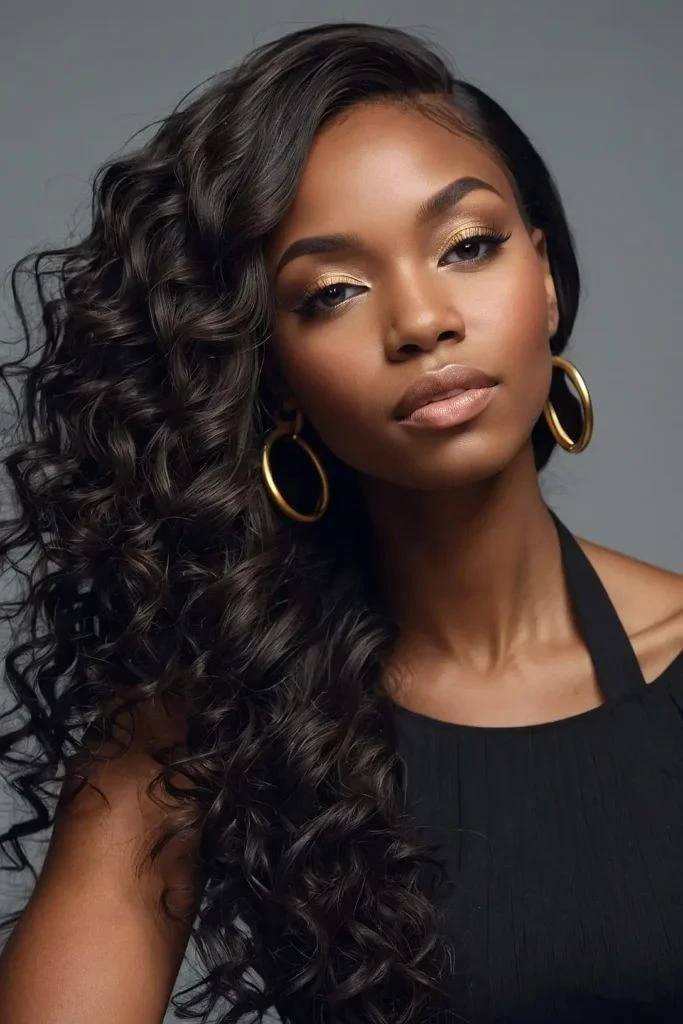
On the other hand, a frontal (often called a lace frontal wig or frontal weave) covers from ear to ear, usually 13x4 or 13x6 inches. This larger lace area provides a full hairline, allowing you to part anywhere, pull hair back into ponytails, or even rock updos without exposing tracks.
Frontal wigs give that ultra-natural look, especially with HD or transparent lace that melts into various skin tones. They're ideal for versatile styling, making them a favorite for those who love experimenting. A frontal weave with bundles creates a custom install that's breathable and secure.
While frontals offer more freedom, they can involve more customization, like bleaching knots or plucking for perfection.
Key Differences: Closure vs Frontal Breakdown
The main distinction in closure vs frontal boils down to size and styling potential. Closures offer targeted coverage for simple, reliable parts, while frontals deliver ear-to-ear realism for endless options.
Installation varies too: Closure wigs are often glueless and beginner-friendly, slipping on with combs and straps. Frontals might need adhesive for that flawless hold, especially if you're going for high ponytails.
When building with bundles, hair bundles with closure typically require 3-4 packs for fullness, whereas frontals might need only 2-3 since they cover more ground upfront.
Durability plays a role—closures tend to last longer with less edge stress, while frontals provide better breathability across the hairline.
Pros of Choosing a Closure for Your Protective Style
Closures are affordable and low-maintenance, making them excellent for budget-conscious protective styling.
They're easier to install, often ready-to-wear in closure wigs human hair formats.
Great for beginners or busy schedules, as they require minimal daily tweaking.
Promote healthier edges by avoiding full hairline glue.
Perfect for consistent looks like middle parts or sleek lows.
Cons of Closures You Should Consider
Limited parting space means no high ponytails or full pull-backs.
Less versatility if you love dramatic style switches.
Might need more bundles for volume in a closure weave.
Can look less natural if not blended perfectly with leave-out.

Why Frontals Might Be Your 2026 Go-To
Frontals excel in versatility—style side parts, half-ups, or buns freely.
They create a complete, undetectable hairline.
Breathable for all-day comfort, especially in warmer months.
Fewer bundles needed overall.
Trendy for bold, celebrity-inspired looks.
Drawbacks of Frontals to Keep in Mind
Higher cost due to more lace and craftsmanship.
More maintenance, like reapplying adhesive.
Potential for edge irritation if not installed carefully.
Steeper learning curve for perfect application.
How to Pair with Hair Bundles: Closure vs Frontal Weaves
For a sew-in, hair bundles with closure give a neat, protective finish with ample volume from multiple bundles. It's reliable for long-term wear.
Frontal weaves use fewer bundles but allow creative parting and styling. Both protect your natural hair, but frontals feel more like "your" hair.
In 2026, glueless options for both are rising, minimizing damage.
Maintenance Tips for Long-Lasting Results
Wash gently with sulfate-free products every 1-2 weeks.
Use a silk bonnet at night to reduce friction.
Detangle from ends up with a wide-tooth comb.
Store on a stand to preserve shape.
For frontals, touch up edges sparingly.
Which Is Better for Protective Styling in 2026?
It depends on your goals. If you want simple, edge-friendly protection with minimal fuss, go for a closure—especially closure wigs for quick swaps.
If versatility and a full hairline are priorities, a frontal wins for dynamic styles.
Many alternate between the two for balanced hair health.
Frequently Asked Questions About Closure vs Frontal
Can I achieve a ponytail with a closure?
Not a high one—closures limit pull-back styles due to smaller coverage. Opt for low ponies or half-ups instead.
Are closure wigs human hair better for beginners?
Yes, absolutely. They're forgiving, easier to secure, and require less customization.
How many bundles do I need for hair bundles with closure?
Usually 3-4 for full, voluminous looks, depending on length and desired density.
Do frontals damage edges more than closures?
Potentially, if glued improperly. Glueless frontals minimize this risk.
What's the cost difference in closure vs frontal?
Closures are generally more affordable, starting lower, while frontals invest in extra lace for versatility.
Can I swim or workout in either?
Both work with proper securing, but glueless closure wigs or frontals are more convenient for active lifestyles.

Conclusion: Choose What Fits Your 2026 Hair Journey
Whether you lean toward the reliable simplicity of a closure or the boundless creativity of a frontal, both are powerhouse options for protective styling. In 2026, prioritize what aligns with your routine—low-maintenance closure wigs human hair for everyday ease or frontal weaves for standout versatility. Whichever you choose in the closure vs frontal debate, you'll be protecting your natural hair while serving looks all year. Embrace the fresh start, experiment confidently, and let your crown shine brighter than ever.