


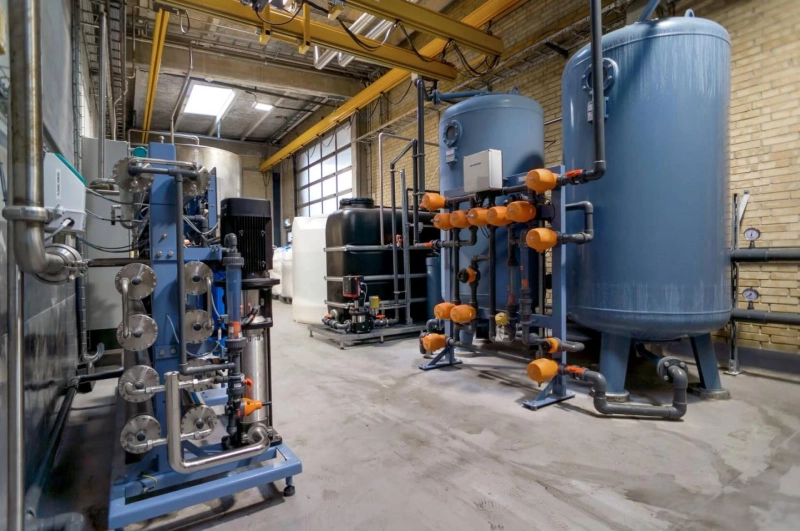
In modern commercial buildings and industrial facilities, maintaining efficient, safe, and compliant water systems is more critical than ever. As sustainability standards and UK water safety regulations continue to tighten, closed system water treatment plays a vital role in ensuring long-term performance and compliance.
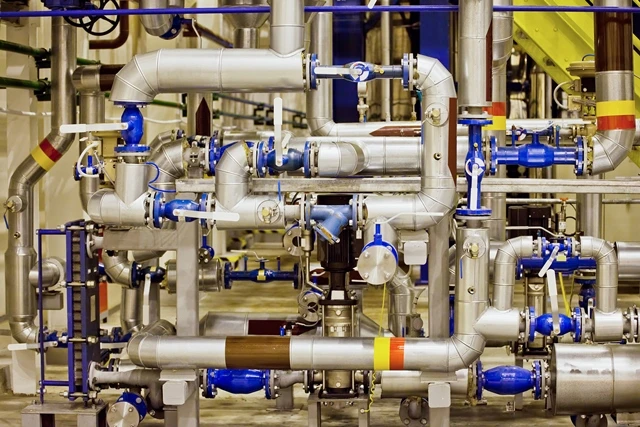
A properly treated closed water system prevents corrosion, bacterial growth, and system inefficiencies — protecting both infrastructure and occupants. This article provides a detailed checklist for 2025 compliance, helping facility managers, engineers, and property owners stay ahead of the latest standards.
Understanding Closed System Water Treatment
A closed system is a sealed water circuit that circulates water for heating or cooling, without regular exposure to the atmosphere. Because the same water is continuously reused, it’s easy for contaminants, oxygen, and corrosion by-products to build up over time.
Without proper closed system water treatment, issues such as corrosion, sludge formation, and microbiological fouling can occur. These problems reduce heat transfer efficiency, increase energy consumption, and eventually lead to costly breakdowns or non-compliance with UK water hygiene regulations.
Why Compliance Matters in 2025
The UK’s Building Services and Health & Safety Executive (HSE) guidelines, particularly HSG 274 Part 2, outline strict requirements for maintaining water systems safely. As sustainability and Legionella control continue to be key priorities, compliance will become even more closely monitored in 2025.
Regular testing, system cleaning, and professional water treatment not only protect equipment but also demonstrate due diligence under health and safety law. Non-compliance can lead to system failure, fines, or even public health risks, especially in high-occupancy facilities such as hospitals, hotels, and offices.
The 2025 Checklist
Below is a step-by-step guide to maintaining a safe, efficient, and compliant closed system this year.
1. Conduct Pre Commission Cleaning
Before a new heating or cooling system is brought online, it must undergo pre commission cleaning. This step removes installation debris, flux residues, and grease that can react with water and accelerate corrosion once the system starts operating.
Pre commission cleaning involves:
- Flushing the system to remove debris
- Dosing with an alkaline cleaner
- Rinsing thoroughly and refilling with treated water
- Recording results and chemical usage
This is not just a best practice, it’s a requirement under BSRIA BG29 and BG50 standards for system commissioning and maintenance.
2. Verify System Chemistry and Water Quality
Routine water sampling and analysis are the backbone of a compliant closed system water treatment programme. Samples should be taken from key points across the system and tested for:
- pH and conductivity
- Iron and copper levels (corrosion indicators)
- Microbiological activity
- Inhibitor concentration
- Suspended solids
These parameters indicate the system’s health and help identify early signs of corrosion or contamination. A professional water treatment company will provide regular reports and adjust chemical dosing as needed.
3. Control Corrosion and Fouling
Closed systems are particularly vulnerable to corrosion due to trapped oxygen or poor chemical balance. Use of corrosion inhibitors is essential to protect metal surfaces, while biocides control bacterial and algal growth.
Common causes of fouling include poor filtration or stagnant flow. In 2025, compliance also requires ongoing verification that chemical levels remain within recommended ranges, something that can only be assured through routine closed system analysis and testing.
4. Maintain Filtration and Debris Removal Equipment
Inline strainers, filters, and magnetic dirt separators should be inspected and cleaned at scheduled intervals. These devices prevent sludge accumulation and ensure proper circulation.
Installing side-stream filtration units helps remove suspended solids continuously, maintaining clean water and efficient system performance. Keeping filtration equipment in top condition directly supports compliance and energy efficiency.
5. Perform Legionella and Microbiological Testing
Although closed systems have minimal air contact, Legionella bacteria can still multiply if the system contains stagnant areas or organic material. Regular testing is therefore an important part of water hygiene compliance.
Many organisations, especially in and around the capital, rely on professional Legionella testing London services to ensure full adherence to HSE standards. Water samples are analysed for Legionella and general bacteria to confirm the system remains safe and under control.
6. Implement Routine Flushing and Monitoring
Routine system flushing should be part of your annual maintenance plan. Over time, even well-treated systems can accumulate debris, metal oxides, or biofilm. Controlled flushing combined with chemical dosing restores system balance and prevents issues before they escalate.
Monitoring should include:
- Quarterly sampling
- Trend analysis of corrosion rates
- Regular review of dosing and inhibitor levels
- Documentation of all maintenance activities
Keeping detailed records is crucial for proving compliance during audits.
7. Partner with a Professional Water Treatment Company
Managing closed systems requires technical expertise, accurate testing, and ongoing monitoring, tasks best handled by a qualified water treatment company. Partnering with specialists ensures your system receives:
- Professional water sampling and lab analysis
- Correct chemical selection and dosing
- BSRIA and HSE compliance documentation
- Expert recommendations for long-term protection
A trusted service provider not only ensures compliance but also optimises system efficiency and lifespan.
Benefits of Proactive Closed System Water Treatment
Implementing a compliant water treatment programme in 2025 provides several long-term advantages:
- Reduced energy consumption and operational costs
- Prevention of corrosion, scaling, and blockages
- Prolonged lifespan of system components
- Improved environmental performance
- Full compliance with UK health, safety, and water quality standards
For building owners and facility managers, these benefits go beyond regulation, they demonstrate a commitment to safety, sustainability, and system reliability.
Conclusion
As regulations evolve and sustainability expectations rise, closed system water treatment has become a core component of building management. By following this compliance checklist from pre commission cleaning to Legionella testing you can protect your systems, avoid costly downtime, and stay compliant with UK standards.
Partnering with an experienced water treatment company such as Birmingham Water Solutions ensures expert guidance, accurate testing, and efficient maintenance for every stage of your system’s life cycle.
Take a proactive approach today because proper water treatment is not just about compliance, it’s about protecting your assets, your people, and your reputation.