
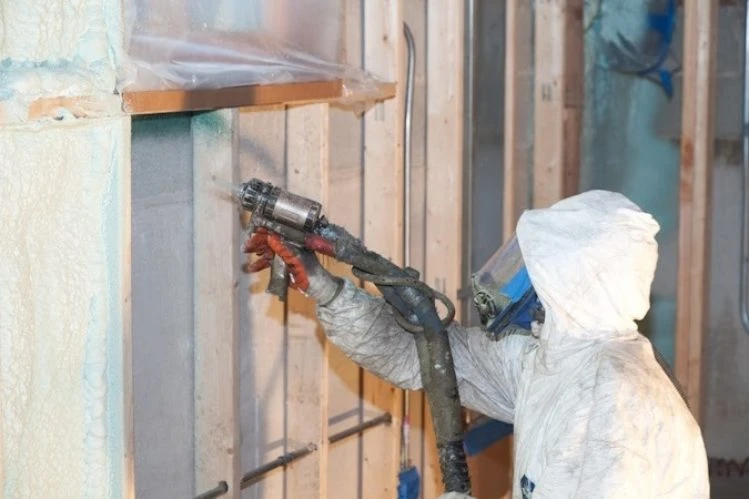
Closed cell spray foam is widely recognized for its thermal performance, but its impact on structural integrity is often underappreciated. Beyond insulation, it contributes significantly to wall strength, durability, and long-term moisture resistance in both residential and commercial buildings. Understanding how this material performs in structural applications can help property owners make informed choices during new construction or retrofitting.
This article explores how closed cell spray foam enhances wall assemblies, reinforces structural elements, and protects against environmental stressors over time.
Closed Cell Spray Foam Adds Structural Rigidity to Walls
A professional Closed cell foam insulation service doesn’t just fill gaps—it strengthens wall assemblies by forming a rigid, high-density layer that bonds materials together.
How Foam Increases Wall Stiffness
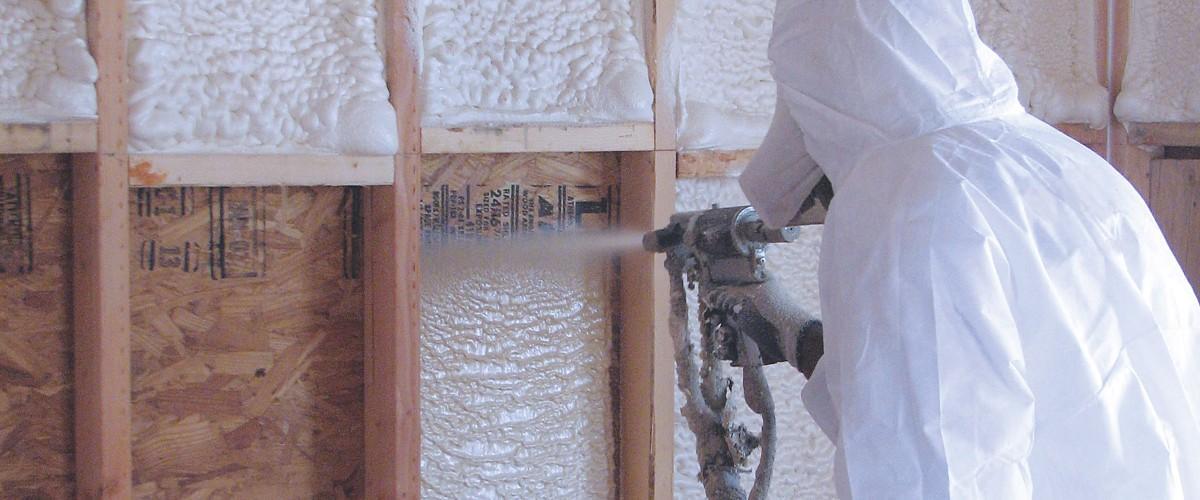
When applied between studs, closed cell spray foam hardens into a dense layer that connects and supports sheathing and framing. This added rigidity reduces racking and deflection caused by lateral forces like wind and seismic activity.
Density and Compressive Strength Matter
- Typical density: 2.0 lb/ft³
- Compressive strength: 20–30 psi
- This structural stiffness adds lateral support, especially in wood-frame construction
Benefits in Framing Applications
- Reduces movement in wall systems
- Enhances the load-sharing between sheathing and studs
- Improves impact resistance in exterior walls
Moisture Resistance Contributes to Wall Durability
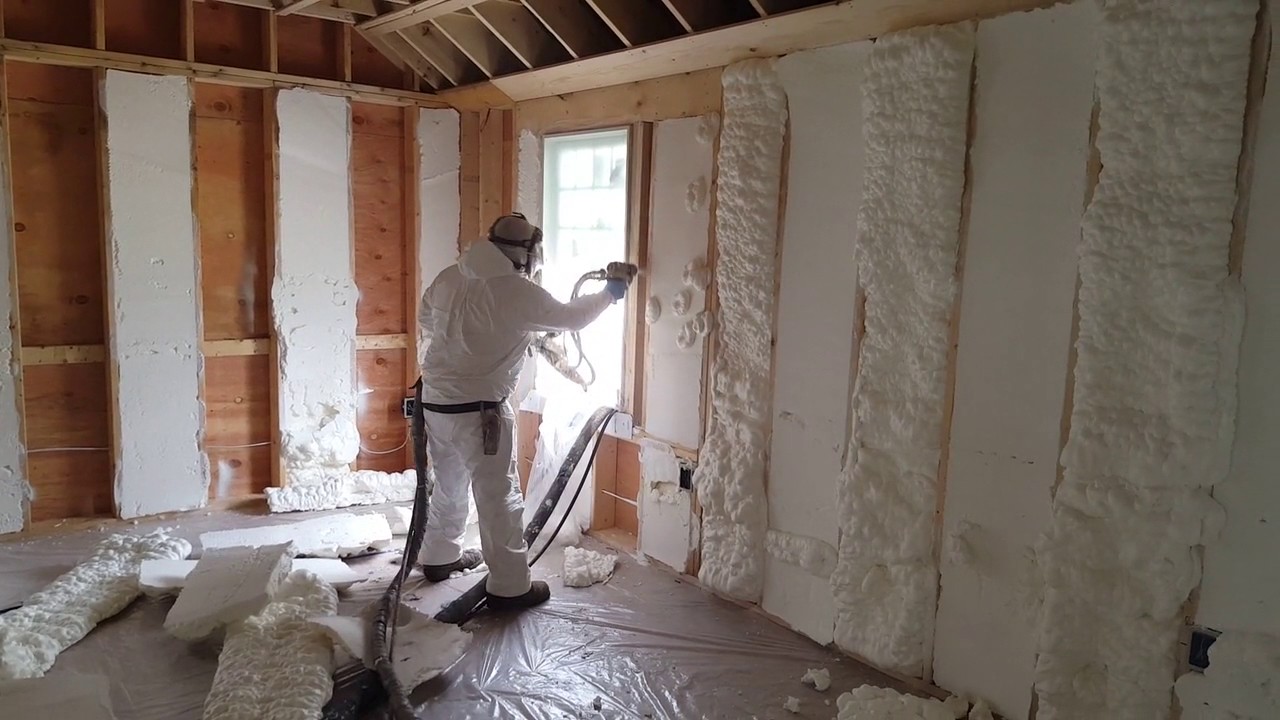
Closed cell spray foam acts as both an air barrier and a vapor retarder. This prevents moisture from entering and degrading wall components, which is critical for structural longevity.
Key Moisture-Control Properties
- Water absorption: <1% by volume
- Vapor permeability: ~1 perm at 1.5–2 inches thick
- Seals gaps and joints where air and vapor typically enter
Protects Framing Materials
- Prevents moisture accumulation in wood and drywall
- Reduces mold risk inside walls
- Stops condensation on cold surfaces
Extends the Lifespan of Load-Bearing Walls
Durable, sealed assemblies are less prone to rot or degradation, especially in climates with freeze-thaw cycles or high humidity levels.
Thermal Stability Reduces Material Stress Over Time
Beyond moisture control, closed cell foam maintains thermal consistency, which reduces the expansion and contraction cycles of surrounding materials.
Minimizing Thermal Bridging
- Fills cavities completely without gaps
- Eliminates cold spots that lead to condensation
- Supports continuous insulation strategies
Reducing Structural Stress
- Stabilizes temperature-sensitive materials like wood and metal
- Limits microcracking in drywall or sheathing from repeated thermal shifts
- Maintains adhesion to framing materials, preserving the envelope’s integrity

How Closed Cell Foam Compares to Other Insulation Types
Closed cell spray foam performs differently from other common insulation materials when it comes to wall strength and moisture control. Here's a comparative overview:
Fiberglass and mineral wool do not contribute to wall rigidity or prevent air movement, making closed cell foam a superior choice for long-term structural and environmental control.
Application Factors That Influence Structural Benefit
The effectiveness of closed cell spray foam in supporting wall strength depends on how and where it’s installed.
Wall Cavity Installation
- Applied directly to sheathing and studs
- Fills gaps, hardens into a continuous support layer
- Enhances racking resistance and compressive strength
Exterior Sheathing Systems
- Closed cell foam can be part of exterior continuous insulation (CI)
- Supports rigid facades like brick veneer or fiber cement
Roof and Rim Joist Applications
- Strengthens lateral ties between framing components
- Seals complex junctions where moisture and air can enter
Limitations to Consider
- Not load-bearing on its own
- Must be part of a code-compliant assembly
- Over-application can cause expansion pressure on framing
Common Questions About Spray Foam’s Structural Role
Does closed cell spray foam actually strengthen a wall? Yes. Its rigidity and bonding action reduce wall movement and improve racking resistance, particularly in wood-framed structures.
Is spray foam insulation suitable for load-bearing walls? It enhances the structural assembly but does not replace load-bearing materials like studs, beams, or sheathing.
Can foam insulation prevent moisture-related damage in walls? Closed cell spray foam resists vapor and water intrusion, helping prevent mold and rot when installed correctly.
What is the compressive strength of closed cell foam? Typical compressive strength ranges from 20–30 psi, contributing to its structural rigidity once cured.
How thick should closed cell foam be in walls? Common thickness is 2–3 inches in stud cavities, depending on R-value goals and moisture control needs.
Conclusion
Closed cell spray foam serves dual purposes—insulation and structural enhancement. It supports wall durability by increasing rigidity, preventing moisture penetration, and reducing stress caused by thermal fluctuations. Hiring a professional spray foam contractor is especially beneficial in environments prone to high humidity, heavy winds, or frequent temperature swings.
When applied correctly within a building assembly, closed cell spray foam can significantly improve both short-term performance and long-term resilience of wall systems. For property owners focused on durability and environmental control, this material offers more than just energy savings—it delivers physical reinforcement and protection for the entire structure.
FAQs
Does closed cell spray foam improve a wall’s structural integrity?
Yes. Closed cell spray foam increases the stiffness of wall assemblies by bonding to framing and sheathing. This added rigidity helps reduce movement from wind and lateral loads, especially in wood-frame construction.
Is closed cell spray foam considered a vapor barrier in wall systems?
Yes. When installed at sufficient thickness (usually around 1.5 to 2 inches), closed cell spray foam acts as a Class II vapor retarder, helping control moisture movement through wall cavities.
Can closed cell spray foam be used in both interior and exterior walls?
Yes. It’s effective in interior wall cavities and as part of exterior continuous insulation systems. In both cases, it enhances structural resilience and moisture resistance.
What makes closed cell spray foam different from open cell foam for structural use?
Closed cell foam has a higher density and compressive strength, allowing it to reinforce framing elements and resist physical stress. Open cell foam lacks this structural rigidity and is more suited for sound absorption and interior use.
Does spray foam insulation degrade or lose strength over time?
Closed cell spray foam maintains its structural properties over decades when installed correctly. Its rigid form resists compression, water infiltration, and shrinkage, contributing to the long-term integrity of wall systems.
Author: Jeremy Fields brings over a decade of experience in construction and business to Ozark Eco Foam. With a background in both residential and commercial projects, he focuses on completing each insulation job with accuracy and attention to detail. Ozark Eco Foam reflects his commitment to quality work and practical solutions built on years of hands-on industry knowledge.
Reviewer: Amelia Young contributed insights from 10 years in spray foam insulation. Her review helped sharpen the article’s focus on customer engagement and clear service messaging.