



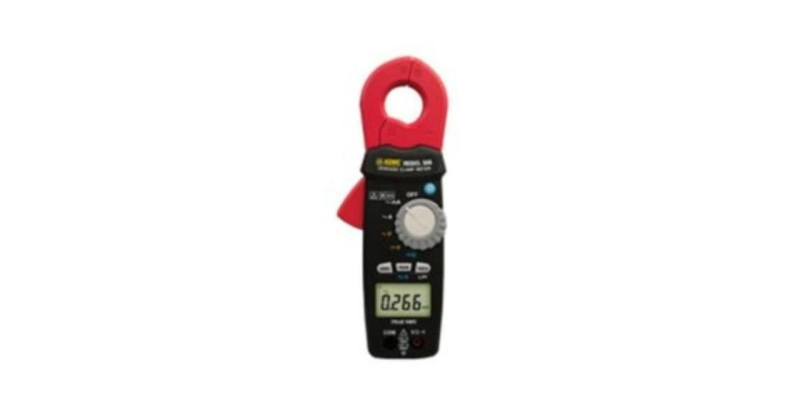
Accurate electrical measurements are the foundation of safe and efficient operations in industries such as manufacturing, power distribution, construction, and laboratory testing. Among the most commonly used electrical instruments is the clamp meter, valued for its ability to measure current without disconnecting live circuits. While clamp meters are designed for reliability, their accuracy can drift over time. This makes clamp meter calibration an essential practice for professionals who depend on precise measurements.
Calibration ensures that a clamp meter provides readings that are consistent, traceable, and within defined tolerances. Without calibration, even high-quality instruments can produce inaccurate results, leading to safety risks, equipment damage, or non-compliance with standards.
Understanding Clamp Meter Calibration
Clamp meter calibration is the process of verifying an instrument’s accuracy by comparing its readings against certified reference standards under controlled conditions. These reference standards are traceable to national or international measurement systems, ensuring consistency and reliability.
During calibration, the clamp meter is tested across its operating range to confirm that it measures current, voltage, and other parameters correctly. Any deviations are recorded, and if necessary, adjustments are made to bring the instrument back within acceptable limits. The result is a calibration report that documents performance and traceability.
Why Calibration Is Critical for Electrical Measurements
Electrical systems often operate under strict safety and quality requirements. Small measurement errors can result in incorrect load assessments, inefficient energy usage, or hazardous working conditions. Regular calibration helps prevent these issues by maintaining confidence in measurement data.
Key reasons calibration is critical include:
- Ensuring accurate current readings for diagnostics and maintenance
- Supporting workplace safety by reducing the risk of faulty decisions
- Meeting compliance requirements for audits and quality systems
- Maintaining consistency across multiple instruments and operators
For organizations that rely on measurement data for decision-making, calibration is not optional—it is a necessity.
Factors That Affect Clamp Meter Accuracy
Several factors can influence the accuracy of a clamp meter over time. Frequent use, exposure to dust or moisture, temperature fluctuations, and mechanical stress can all contribute to measurement drift. Even normal aging of electronic components can affect performance.
Environmental conditions play a major role, especially in industrial settings where instruments may be exposed to harsh conditions. Regular calibration helps identify and correct these changes before they impact operations.
Calibration Intervals and Best Practices
There is no universal calibration interval for clamp meters. The appropriate frequency depends on usage intensity, environmental exposure, and internal quality policies. Instruments used daily or in safety-critical applications generally require more frequent calibration than those used occasionally.
Best practices include:
- Establishing a documented calibration schedule
- Keeping detailed calibration records for audits
- Inspecting instruments visually before use
- Using only calibrated instruments for critical measurements
By following these practices, organizations can reduce downtime and maintain consistent measurement quality.
Choosing a Professional Calibration Service
Working with a qualified calibration provider ensures that clamp meters are tested using advanced equipment and standardized procedures. A professional service delivers traceable results, clear documentation, and confidence that instruments meet required specifications.
Zenith Instruments provides professional calibration solutions designed to support accuracy, compliance, and operational efficiency across a wide range of electrical and industrial measurement applications. Experienced technicians and controlled laboratory environments help ensure dependable results for every instrument.
The Role of Calibration in Long-Term Reliability
Regular calibration not only improves accuracy but also extends the useful life of clamp meters. By identifying performance issues early, calibration helps prevent unexpected failures and reduces the need for premature replacement. This contributes to cost savings and more predictable maintenance planning.
Conclusion
Clamp meter calibration is a vital process for ensuring accurate electrical measurements, maintaining safety, and meeting compliance requirements. In industries where precision matters, calibrated instruments provide confidence, reliability, and peace of mind. By investing in regular calibration and partnering with a trusted service provider, businesses can safeguard their operations and ensure every measurement supports informed and safe decision-making.