



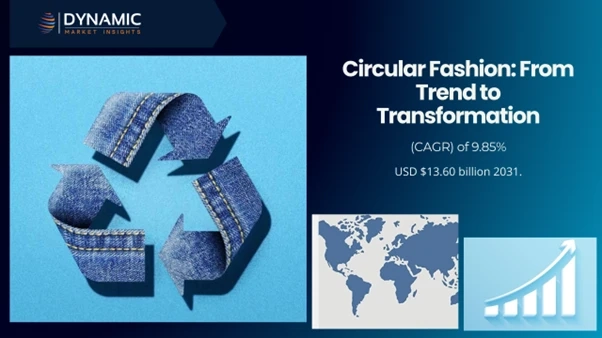
The circular fashion market is experiencing unprecedented momentum, driven by shifting consumer attitudes and mounting environmental concerns. Young demographics, particularly Millennials and Gen Z, are championing sustainable practices, catalyzing a market projected to reach $13.60 billion by 2031.
Resale platforms like ThredUp and Depop have revolutionized secondhand shopping, transforming it from necessity to trend. Meanwhile, luxury brands including Gucci and Burberry have launched repair services, recognizing durability as the new premium.
Investment flows tell a compelling story: venture capital funding for circular fashion startups jumped 73% in 2024, with technological innovations in fiber recycling attracting significant attention. Policy tailwinds are strengthening too, with the EU's textile strategy mandating extended producer responsibility.
The transformation isn't without challenges; scaling recycling infrastructure and changing consumer habits remain hurdles. Nevertheless, circular fashion has evolved from niche to mainstream, representing fashion's most promising growth frontier.
Get a Sample PDF of circular fashion Market report:
Market Drivers:
- Growing Consumer Awareness & Demand for Sustainability
- Rising consumer preference for eco-friendly and ethical fashion is propelling demand for circular fashion models.
- Stringent Environmental Regulations
- Governments worldwide are enforcing stricter policies on waste management, carbon emissions, and extended producer responsibility (EPR), driving adoption of circular fashion practices.
- Rise of Resale, Rental & Upcycling Models
- The boom in second-hand clothing, rental platforms, and upcycling initiatives is fueling market growth. Brands and platforms like ThredUp, Poshmark, and Rent the Runway are capitalizing on this trend.
Restraints:
- High Costs of Recycling & Sustainable Materials
- Advanced recycling technologies and sustainable materials often have higher production costs, making circular fashion less competitive with fast fashion.
- Lack of Infrastructure for Textile Waste Collection & Recycling
- Limited recycling facilities and inefficient textile waste management systems hinder circularity in many regions.
- Consumer Perception & Behavioral Barriers
- Despite rising awareness, many consumers still prioritize affordability and fast fashion trends over sustainability.
Feel Free to Contact for any customization in circular fashion Market report:
Regional Analysis:
North America dominates the circular fashion landscape, with the US market accounting for 42% of global share. Resale platforms and subscription rental services thrive in urban centers, while repair services see rising demand in suburban areas.
Europe follows closely with strong regulatory support. The EU's Circular Economy Action Plan has accelerated adoption, with Scandinavian countries leading in per-capita participation. France's anti-waste legislation banning the destruction of unsold goods has become a benchmark.
Asia-Pacific represents the fastest-growing region, with 27% annual growth. China's secondhand luxury market is booming, while Japan's traditional mending practices (like "sashiko") are influencing global repair trends.
Latin America shows promising development through cooperatives and artisan collectives that reclaim and transform textile waste into new products, though infrastructure challenges persist.
Middle East and Africa remain emerging markets with significant untapped potential, particularly in upcycling and craft-based circular models that leverage traditional textile skills.
For any questions or enquiry before buying get in touch with our experts at:
About the company:
Dynamic market insights involve real-time analysis of evolving market conditions, utilizing technology and real-time data. Essential for adaptability, they encompass competitive intelligence, consumer trends, regulatory shifts, and global perspectives, empowering businesses to make timely and informed decisions in a rapidly changing environment.
Our analysts leverage cutting-edge data collection methods, advanced research methodologies, and extensive experience to deliver precise and insightful research. We cover a diverse range of industries, including Energy, Technology, Manufacturing and Construction, Chemicals and Materials, Food and Beverages, and more. Our expertise ensures we provide comprehensive and reliable research tailored to meet various needs.
Contact Us :
Dynamic Market Insights
Name – Saniya Bhandari
Email – sales@dynamicmarketinsights.com
Website - https://www.dynamicmarketinsights.com