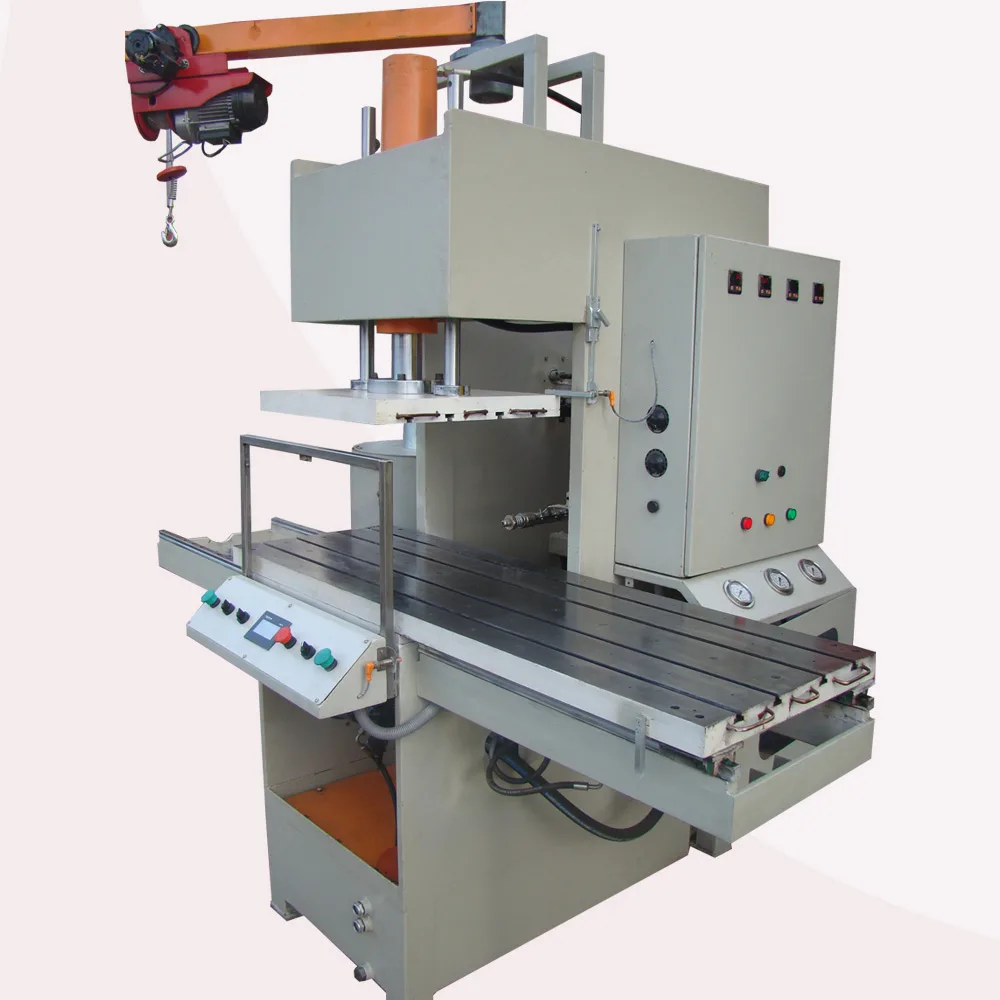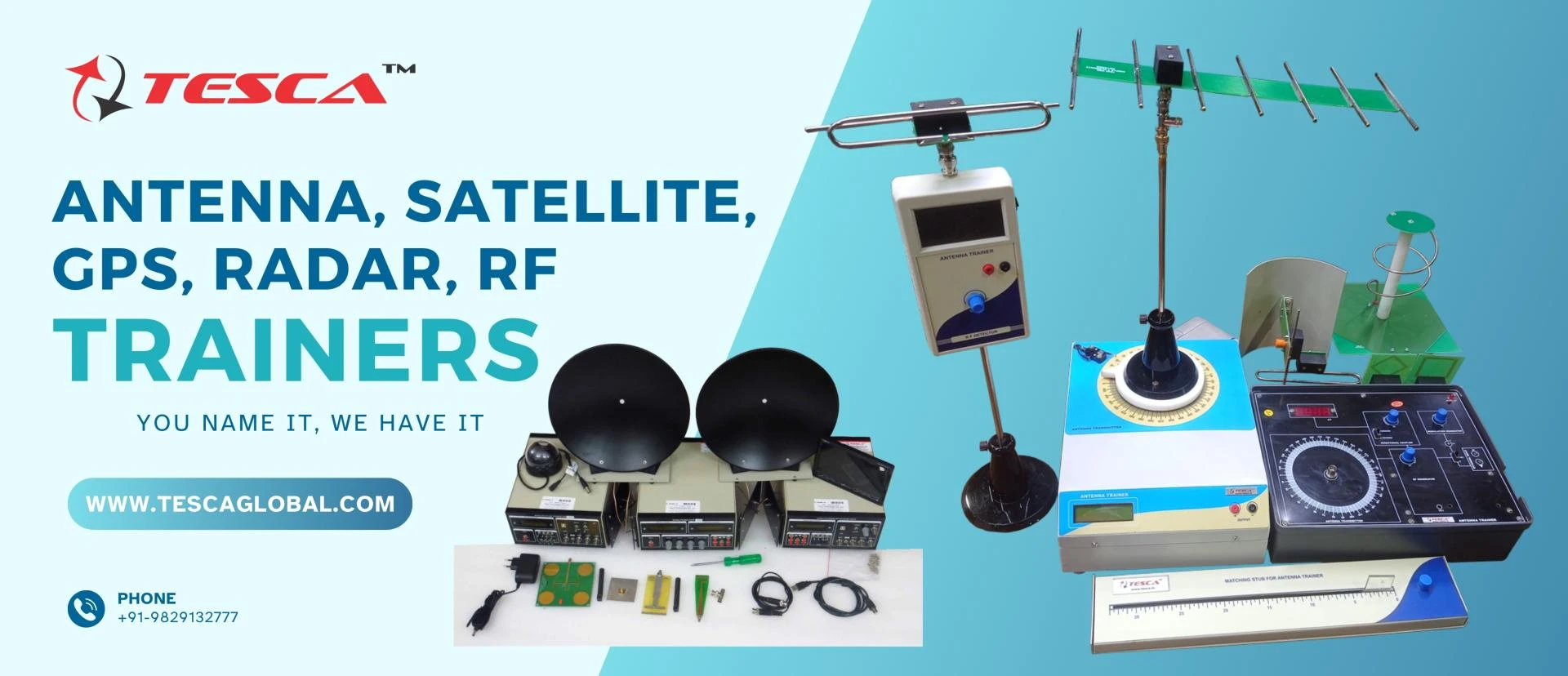
Setting up a laboratory is not simply about purchasing instruments and placing them on workbenches. It is about building an environment where accuracy, safety, and innovation come together. Whether the lab belongs to a school, a university, a research institute, or an industrial facility, the quality of equipment directly influences the reliability of results. This is why selecting dependable Laboratory Equipments Suppliers becomes one of the most important decisions for any institution.
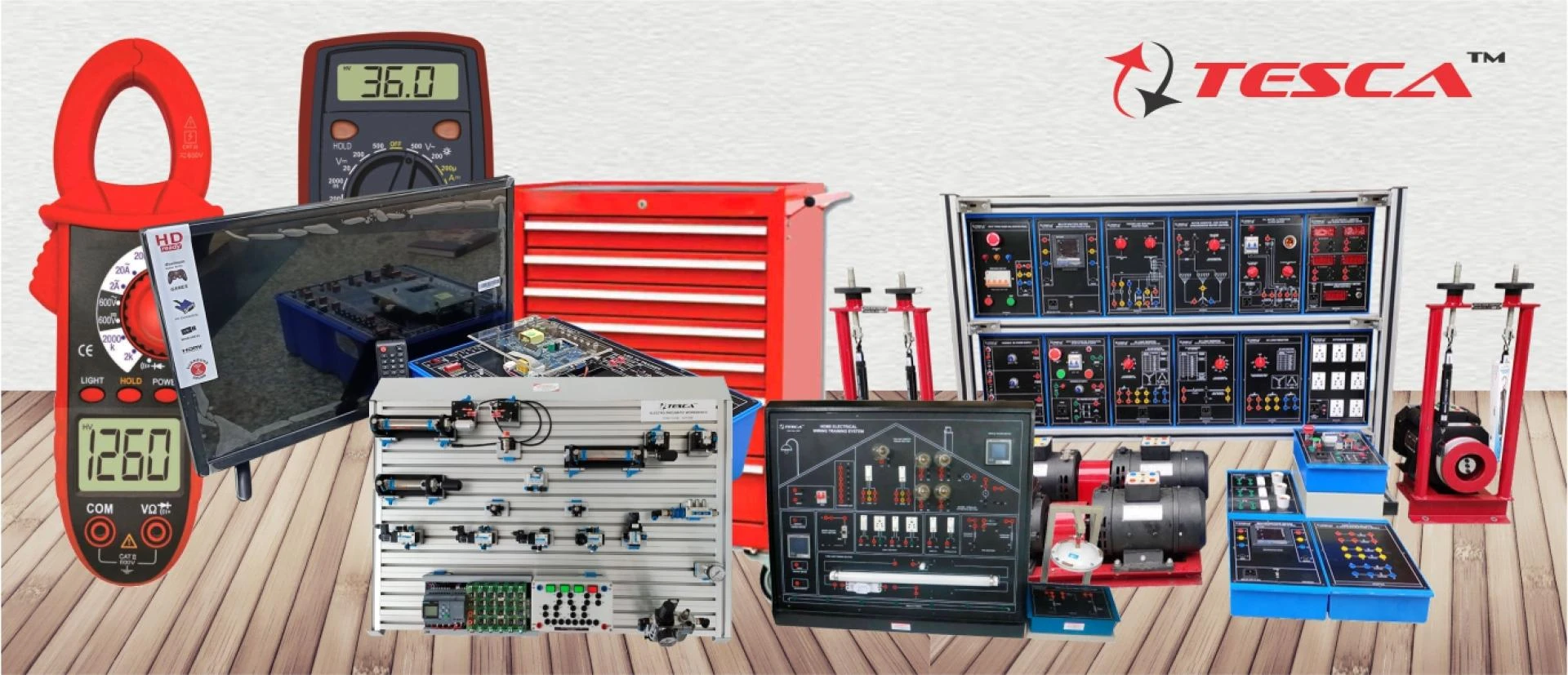
A well-equipped laboratory enhances learning, strengthens research capabilities, and improves operational efficiency. From microscopes and analytical balances to advanced testing systems and technical training software, every instrument plays a role in ensuring precision and consistency. Poor-quality equipment, on the other hand, can lead to inaccurate findings, frequent breakdowns, and unnecessary expenses.
The Importance of Quality and Reliability
When institutions invest in laboratory infrastructure, they are making a long-term commitment. Equipment must withstand regular usage, deliver consistent performance, and comply with safety standards. Reliable suppliers understand these expectations and focus on offering certified, durable, and well-tested products.
Quality laboratory instruments not only improve results but also reduce maintenance costs. Accurate measurements, smooth functionality, and ergonomic designs contribute to better workflow and safer working conditions. In educational institutions especially, dependable tools help students gain practical knowledge with confidence and clarity.
laboratory equipment suppliers play a critical role in bridging the gap between manufacturers and end users. Their expertise helps institutions select suitable products according to their specific requirements, whether for physics, chemistry, biology, engineering, or vocational training laboratories.
Key Factors to Consider Before Selecting a Supplier
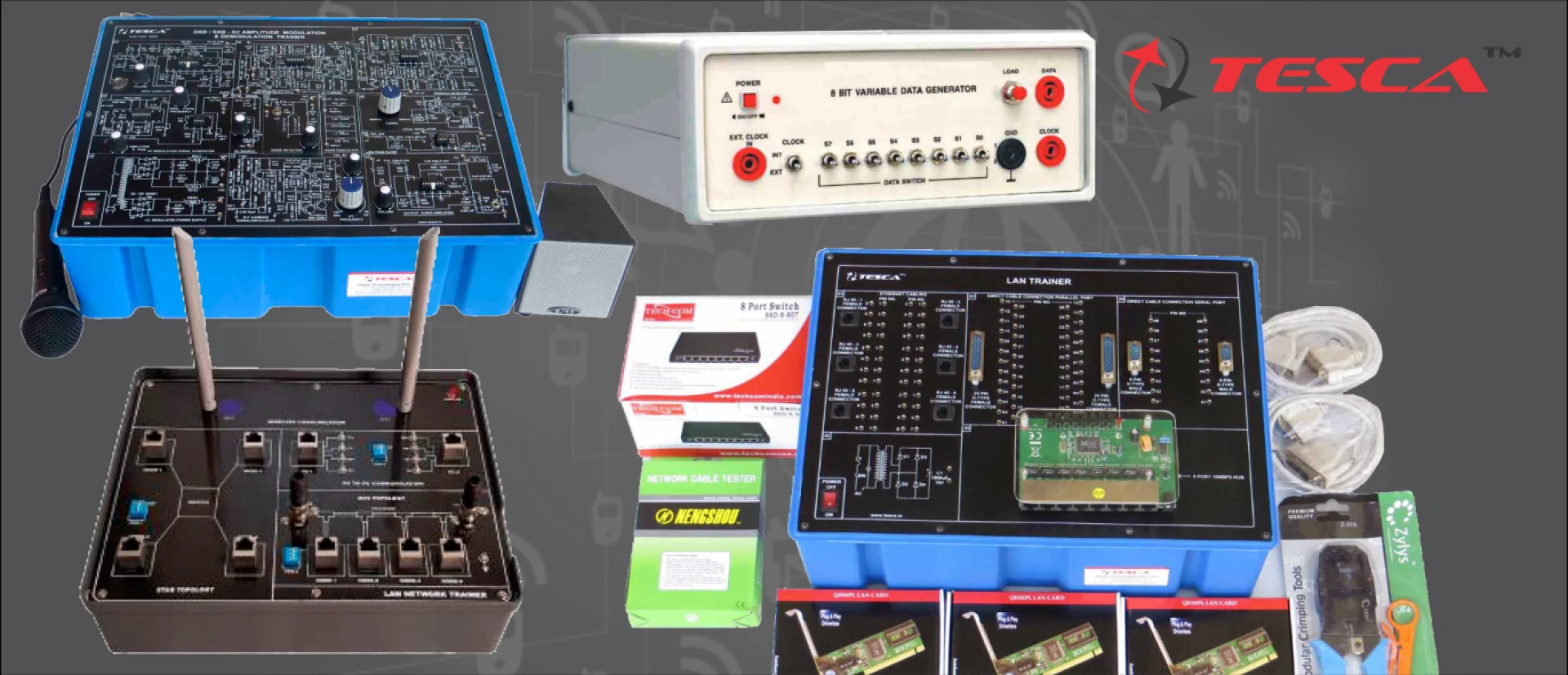
Choosing the right supplier requires careful evaluation. The first factor to consider is product range. A supplier offering a comprehensive portfolio makes procurement easier and ensures compatibility across instruments. It also simplifies after-sales communication and service support.
Secondly, certifications and compliance standards matter greatly. Equipment that meets recognized quality benchmarks provides assurance of safety and performance. Institutions should also assess the availability of warranties, maintenance services, and technical assistance.
Another essential factor is customization. Laboratories often have unique requirements depending on curriculum structure or research focus. A supplier capable of providing tailored solutions demonstrates both flexibility and industry understanding.
Supporting Education and Innovation
In academic environments, laboratory equipment is more than a tool; it is a foundation for experiential learning. Practical exposure strengthens theoretical concepts and encourages curiosity among students. Advanced training systems and simulation software further enhance hands-on experience.
In research and industrial settings, high-performance instruments enable innovation. Accurate testing, data analysis, and experimentation support product development and quality assurance processes. As technology evolves, laboratories must adapt with modern solutions that match global standards.
Strong supplier partnerships ensure timely upgrades and access to emerging technologies. This collaborative approach fosters continuous improvement and helps institutions remain competitive in a rapidly advancing scientific landscape.
Long-Term Value and Trust
A trusted supplier builds relationships based on transparency, timely delivery, and consistent service. Beyond selling products, they act as advisors who understand the operational challenges faced by laboratories. Their guidance helps organizations make informed decisions that align with both budget and objectives.
Investing in dependable laboratory infrastructure ultimately strengthens credibility. Accurate results enhance reputation, whether in academic research publications or industrial product testing. Over time, the right partnership translates into efficiency, safety, and sustainable growth.
Conclusion
Selecting the right supplier is a strategic decision that imp acts performance, safety, and long-term success. Institutions that prioritize quality, compliance, and service support are better positioned to achieve excellence in education and research. For organizations seeking dependable solutions and modern training systems, exploring trusted platforms such as tescaglobal.com can be a valuable step toward building a future-ready laboratory.
Blog Source URL :- https://tescaglobal1.blogspot.com/2026/02/choosing-right-partner-for-modern.html