


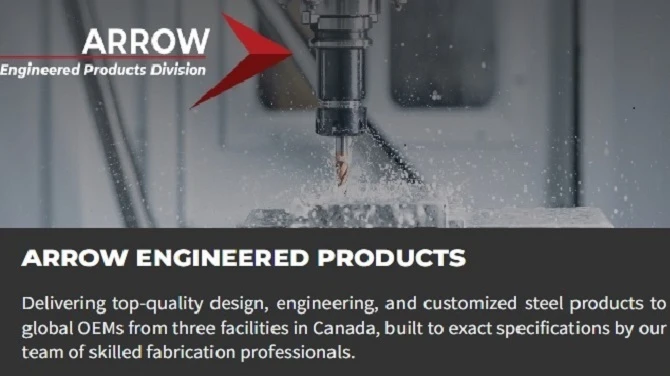

Selecting the right manufacturing partner is a strategic decision that can influence product quality, timelines, and long-term profitability. As supply chains grow more complex and customer expectations rise, manufacturers must be thoughtful when evaluating fabrication partners. A well-chosen collaborator does more than build parts; they contribute expertise, efficiency, and reliability that support sustainable growth.
One of the first considerations is technical capability. A strong partner should demonstrate experience across materials, tolerances, and processes relevant to your products. This includes the ability to scale production without sacrificing precision or consistency. When evaluating capabilities, manufacturers should look beyond equipment lists and ask for examples of similar projects, quality metrics, and problem-solving approaches. A partner skilled in OEM Fabrication can adapt designs for manufacturability, helping reduce waste and improve performance while maintaining the original design intent.
Equally important is quality management. Certifications, inspection procedures, and traceability systems all signal how seriously a fabricator treats quality. Consistent documentation and proactive communication around quality issues prevent small problems from becoming costly delays. Manufacturers should also assess how potential partners handle continuous improvement, including employee training and investment in new technologies.
Communication and collaboration style often determine whether a partnership thrives. Clear points of contact, transparent scheduling, and realistic lead times build trust and reduce friction. A responsive partner who engages early in the design process can offer insights that save time and money later. This collaborative mindset is especially valuable when products evolve or when unexpected challenges arise during production.
Another key factor is supply chain resilience. A reliable fabrication partner understands sourcing risks and maintains strong relationships with material suppliers. This helps ensure continuity during market disruptions and supports consistent delivery. Manufacturers should ask about inventory strategies, contingency planning, and how the partner manages sudden changes in demand.
Cost is, of course, a consideration, but it should be evaluated in context. The lowest quote does not always represent the best value. Hidden costs such as rework, delays, or poor communication can quickly outweigh initial savings. Instead, manufacturers should focus on total cost of ownership, factoring in quality, reliability, and long-term partnership potential.
Reputation and track record also matter. Established partners with a history of serving diverse industries often bring proven systems and seasoned teams. For example, Arrow Fabrication has built a reputation by aligning its processes with customer goals and emphasizing precision and accountability. Learning how a company like Arrow Fabrication approaches complex projects can help manufacturers benchmark what to expect from a high-performing partner.
Finally, cultural fit should not be overlooked. Shared values around safety, ethics, and customer focus create smoother working relationships. When both parties view the partnership as a long-term collaboration rather than a transactional arrangement, innovation and efficiency naturally follow.
In summary, choosing the right fabrication partner requires a balanced evaluation of capabilities, quality, communication, and strategic alignment. By investing time in this decision, manufacturers position themselves for stronger products, more resilient operations, and lasting success.