


Choosing the right material for child-resistant packaging is a big decision for brands in cosmetics, wellness, and regulated product categories. The material you select shapes user safety, compliance, aesthetics, and production costs. It also affects how your product performs on the shelf and how customers feel when using it. Because of this, brands need clear guidance before locking in a packaging direction.
This Blog breaks down the most reliable materials, what they offer, and how to pick the best fit for your product line.
Why Material Choice Matters More Than It Seems
Material selection influences every part of the packaging process. It affects durability, heat resistance, weight, and even how well the sealing system works. A strong material protects the product. A weak one risks leaks, damage, or failed compliance testing.
Brands often discover these issues late in production, which leads to delays and higher costs. So it helps to understand each material early in the design phase.
Common Material Options for Child-Resistant Solutions
Below is a look at the top materials used for safety-driven packaging, along with their pros and cons.
1. Polyethylene (PE)
PE is one of the most trusted materials because it is lightweight and flexible. It works well with various closure styles and can handle different filling lines without friction.
Pros:
- Great impact resistance
- Smooth surface for labels
- Relatively low cost
Cons:
- Limited rigidity for premium designs
- Lower heat resistance
PE is a good fit for everyday lotions, gels, and other light-viscosity formulas.
2. Polypropylene (PP)
PP is known for being tougher than PE, and it offers better chemical resistance. This makes it ideal for formulas that need stronger protection.
Pros:
- Holds its shape well
- Handles higher temperatures
- Supports complex locking mechanisms
Cons:
- Slightly brittle in cold climates
PP is often used when the locking feature needs more structure. It also works well for packaging similar to cosmetic bottles, especially when brands want a premium look.
3. Glass
Glass gives products a high-end vibe, but incorporating child-resistant features with glass takes careful engineering. Still, it remains a popular choice for brands that value aesthetics.
Pros:
- Premium look
- Excellent barrier properties
- Eco-friendly perception
Cons:
- Heavy and breakable
- Higher shipping costs
- Requires custom closures for CR protection
Glass works best for top-shelf items where style matters as much as safety.
4. PET (Polyethylene Terephthalate)
PET is clear, durable, and easy to customize. It is also safe for formulas that need solid barrier protection.
Pros:
- Lightweight
- Great clarity
- Works well with CR caps
Cons:
- Limited heat resistance
- Not ideal for aggressive formulas
PET hits the sweet spot for brands that want transparency and performance at the same time.
How Product Type Shapes Your Material Choice
Your formula’s pH, viscosity, fragrance load, and ingredients all influence which material will work best. For example, oils can soften certain plastics. Alcohol-heavy products may require stronger barrier materials. Thicker formulas need bottles that can handle squeeze strength without deformation.
This is where a strong packaging testing plan becomes a must. Teams should test compatibility long before scaling.
Design Considerations for Child-Resistant Features
After choosing a material, the next step is to assess the locking design. CR systems often rely on squeezing, pushing, or aligning parts. That means your material must handle stress without cracking or losing shape over time.
Here are some points worth reviewing:
- Torque strength: Can the material handle repeated opening and closing?
- Flexibility: Will the locking mechanism work smoothly?
- Fit and finish: Are seams clean, and does the closure seat properly?
- Filling line compatibility: Will your assembly equipment work with this material?
During prototyping, teams should run multiple tests to confirm the locking feature stays reliable. This is also where compliance checks start, since certified packaging follows strict in-lab testing protocols.
The Role of Prototyping in Material Selection
Prototyping helps teams visualize the final look, test functionality, and catch issues early. It gives insight into how the closure aligns, how the surface reacts to printing, and how the lock performs under pressure.
This stage also helps when the product involves cosmetic bottles, because visual appeal is often a deal-breaker. A glossy finish, a frosted look, or a textured surface can all influence the material chosen.
Where Child-Resistant Materials Meet Real-World Use
In real-world use, packaging goes through stress from shipping, storage, repeated handling, and temperature changes. The right material keeps its shape through all of this while protecting the locking system.
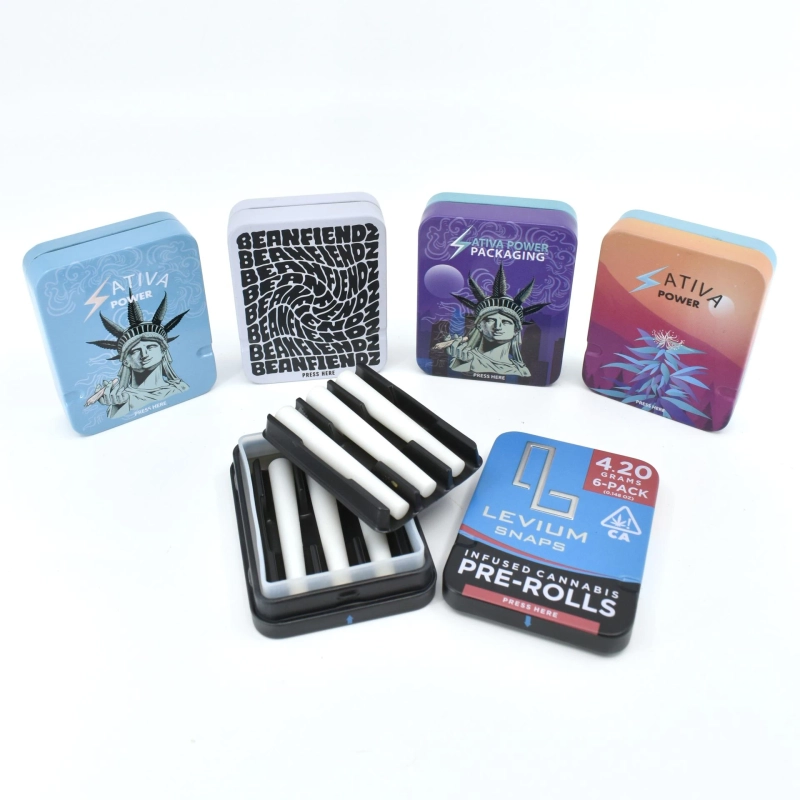
This is why brands sourcing child resistant packaging must balance safety, cost, aesthetics, and production efficiency. A strong material supports every part of the user journey.
Choosing Materials With a Compliance-First Mindset
Products in regulated markets face tough rules. Each material must support proper sealing, labelling, and structural integrity needed for compliance testing. PP and PET remain top choices for CR designs because they work well with alignment-based caps and push-and-turn closures.
Using a cosmetic bottle, style material before certification testing gives design teams a clear idea of how production will go later.
Conclusion
Choosing the right material for child-resistant packaging is more than a design choice. It is a strategic decision that affects safety, brand image, compliance, and long-term performance. When teams understand material properties early, they build packaging that protects the formula, supports custom design features, and passes testing with fewer delays.
FAQs
1. What makes a material suitable for child-resistant packaging?
A material is suitable when it can support secure locking features, resist breakage, and maintain shape under stress. It must also pass certified testing that measures how well children are prevented from opening it while still being usable for adults.
2. Do all child-resistant designs work with every packaging material?
Not always. Some locking systems need rigid materials like PP, while others work better with flexible plastics. Matching the closure style to the right material is key for smooth function and passing compliance tests.
3. How early should material selection happen in the packaging process?
Material choice should be made during the early design phase. This allows time for compatibility testing, prototyping, and adjustments before production begins.
4. Can glass be used for packaging?
Yes, but it requires custom closures and extra testing. Glass looks premium, but it needs strong engineering support to ensure the lock works properly and the container stays safe during transport.
5. Why is prototyping important before finalizing materials?
Prototyping helps teams see how the material behaves with the closure, printing, and filling-line equipment. It reduces errors, cuts costs, and speeds up certification later.