



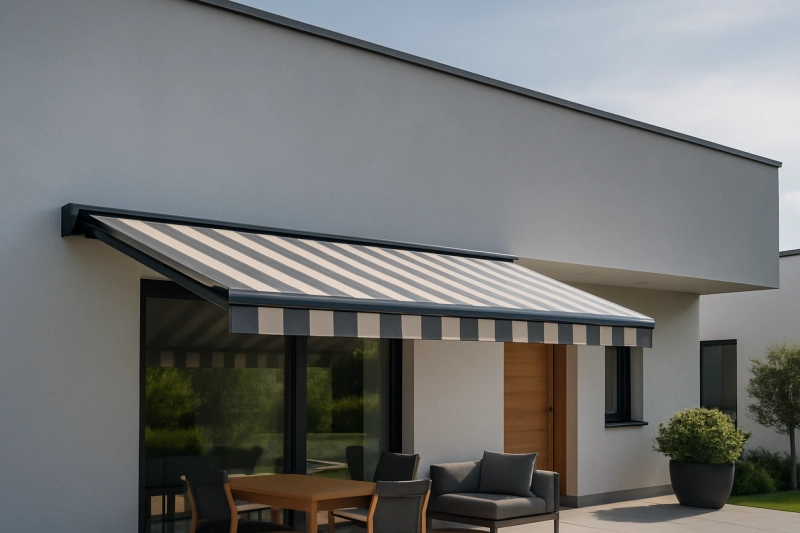
Awnings do much more than just look good on your home or business. They shield you from sun and rain, make outdoor areas more comfortable, and boost your property's style. But how well your awning works and how long it lasts depends heavily on the material of its top.
Choosing the right awning roof is key to getting the most protection and style. It makes your property look better and work better too. We'll explore the different materials and what to think about before you buy.
Factors To Consider When Choosing An Awning Roof
To make an informed decision, consider the following factors:
- Climate
The local climate plays a significant role in material selection. Areas with heavy rainfall or strong winds require durable, weather-resistant materials.
- Sun Exposure
Choose materials with UV protection to prevent fading and reduce heat gain, especially in sunny regions.
- Durability and Longevity
Consider the expected lifespan of the material and its resistance to wear and tear.
- Maintenance Requirements
Evaluate the level of maintenance required for each material, including cleaning and repairs.
- Aesthetic Appeal
Select a material that complements the architectural style and color scheme of your property.
- Budget
Balance the initial cost of the material with its long-term benefits and maintenance expenses.
- Installation Considerations
Determine whether you can install the awning yourself or require professional installation.
Awning Roof Styles And Their Impact
The style of your awning also influences material selection:
- Retractable Awnings
These offer flexibility and control over shade. Fabric is a common choice for retractable awnings due to its flexibility and ease of retraction.
- Fixed Awnings
These provide constant protection and durability. Metal and polycarbonate are often preferred for fixed awnings due to their strength and weather resistance.
- Specialty Awnings
Window and door awnings require materials that provide specific functions, such as light control or weather protection.
Enhancing Property Value And Curb Appeal
A well-chosen awning can significantly enhance your property's value and curb appeal:
- Color and Style Coordination
Match the awning's color and style to your property's exterior for a cohesive look.
- Customization Options
Explore customization options to create a unique and personalized awning.
- Impact on Energy Efficiency
Certain awning materials can reduce heat gain, lowering energy costs and improving indoor comfort.
Installation And Maintenance Tips
Proper installation and maintenance are essential for maximizing the lifespan of your awning:
- Professional vs. DIY Installation
Consider the complexity of the installation and your skill level before deciding to install the awning yourself.
- Cleaning and Care
Follow the manufacturer's direction for cleaning and caring for your specific awning material.
- Seasonal Maintenance
Prepare your awning for different weather conditions by cleaning it regularly and examine it for damage.
Environmental Considerations And Sustainable Awning Choices
Choosing an awning isn't just about personal comfort and style; it's also about making environmentally responsible choices. Here's a breakdown of factors to consider:
- Material Lifespan and Durability
Durable materials like metal and high-quality fabrics last longer, reducing the need for frequent replacements and minimizing waste.
- Recycled and Recyclable Materials
Look for awnings made from recycled materials or materials that can be recover at the end of their lifespan.
- Energy Efficiency
Awnings that effectively block sunlight can reduce heat gain, lowering energy consumption for cooling.
- Sustainable Manufacturing Practices
Support manufacturers that prioritize sustainable manufacturing processes, such as reducing waste and using eco-friendly dyes and coatings.
- Fabric Certifications
Look for fabrics with certifications like OEKO-TEX, which ensures they are free from harmful substances.
- Reduced Chemical Use
Opt for awnings that require minimal chemical cleaning or maintenance.
- Local Sourcing
Sourcing your awning materials and installation services locally reduces transportation emissions.
By considering these environmental factors, you can make a more sustainable choice when selecting your awning, contributing to a healthier planet.
Maximizing Comfort And Functionality With Your Awning
Beyond just protection and aesthetics, an awning can significantly enhance your outdoor living experience. Here's how to maximize its comfort and functionality:
- Shade and Temperature Control
Awnings effectively block direct sunlight, reducing heat gain on patios, decks, and indoor spaces, consider the orientation of your property and the angle of the sun to optimize shade coverage. Lighter-colored awning materials reflect more sunlight, keeping the area cooler.
- Creating Usable Outdoor Spaces
Awnings transform patios and decks into comfortable outdoor living areas, ideal for dining, relaxing, and entertaining.
- Enhancing Privacy
Awnings can provide a degree of privacy, shielding your outdoor space from the view of neighbors or passersby. Consider adding side panels or valances to your awning for increased privacy and protection from wind.
- Integrating Lighting and Heating
Consider incorporating integrated lighting into your awning to extend its usability into the evening.
- Smart Awning Technology
Explore innovative awning systems that can be controlled remotely via smartphone apps or voice commands. Automated awnings can be programmed to extend or retract based on weather conditions, such as sunlight intensity or wind speed.
- Furniture Protection
Awnings protect outdoor furniture from sun fading, and rain damage, extending the furniture's lifespan.
- Window protection
Awnings placed over windows reduce the amount of direct sunlight that enters the house, therefore protecting furniture, and flooring from sun damage.
By taking edge of these features, you can create a comfortable and operational outdoor space that enhances your lifestyle and adds value to your property.
Conclusion
Choosing the right awning roof material is a crucial decision that impacts the protection, style, and value of your property. By considering the parts outlined in this guide, you can pick an awning that meets your obligation and build up your outdoor living space. A well-chosen awning will provide years of enjoyment and protection.
Find The Perfect Awning Roof Today
Explore a wide range of awning roof materials and styles at thaiplastwood.com. Discover durable, stylish, and sustainable options that will enhance your property's protection and curb appeal. Visit thaiplastwood.com today to learn more and find the perfect awning solution for your needs.
Frequently Asked Questions
1. How does the angle of my awning impact its effectiveness?
The angle of your awning significantly affects its ability to block sunlight and provide shade; a steeper angle in relation to the sun's path will offer more effective shade during peak sunlight hours, while a shallower angle might be preferable for allowing some winter sunlight to warm the space.
2. Can awnings help with sound reduction inside my home?
Yes, awnings, particularly those made with denser materials like certain fabrics or metals, can contribute to sound reduction by absorbing and deflecting some of the ambient noise from outside, thus creating a slightly quieter indoor environment.
3. Are there any specific building codes or permits I should be aware of before installing an awning?
It is essential to check with your local building authorities before installing an awning, as many municipalities have specific codes and permit requirements regarding size, placement, and materials, which ensures your installation complies with local regulations and safety standards.
4. How often should I have my retractable awning's mechanism inspected?
Retractable awning mechanisms should be inspected at least once a year, preferably before the start of the primary outdoor season, to ensure smooth operation, proper tension, and to identify any potential wear or damage that could lead to malfunctions.
5. Can I use a standard garden hose to clean my fabric awning, or are specialized cleaning methods required?
While a gentle rinse with a standard garden hose can remove loose dirt, it's generally recommended to use a mild soap solution and a soft brush for a more complete cleaning of fabric awnings, avoiding harsh chemicals or high-pressure washing that could damage the fabric or its protective coatings.