
The concept of office casual attire offers men the opportunity to blend professionalism with comfort, making it easier to navigate everyday work environments without the rigidity of formal wear. However, dressing appropriately while maintaining a polished and approachable appearance requires thoughtful choices, particularly when it comes to selecting colors and patterns. The right combinations can highlight your style, showcase your personality, and still align with workplace expectations. This guide will provide tips on crafting men’s everyday office casual outfits by mastering the art of coordinating colors and patterns in a professional setting.
Understanding Office Casual Basics
Before diving into colors and patterns, it’s essential to understand the fundamentals of office casual attire. Office casual typically eliminates the need for a full suit and tie, allowing for relaxed yet professional clothing choices. It includes staples like chinos, dress pants, button-down shirts, blazers, polo shirts, and clean sneakers or loafers. This style offers flexibility, but the key is to maintain a balance your outfit should reflect competence and professionalism, not laziness or laissez-faire attitudes.
When building a wardrobe for an office casual setting, the choice of colors and patterns plays a vital role in defining your look. Focusing on coordination and understanding which elements to emphasize can help you put together cohesive and sharp outfits.
Starting with Neutral Colors
Neutral colors are the foundation of men’s everyday office casual outfits and serve as the starting point for professional attire. Shades like white, black, grey, navy, and beige are incredibly versatile, offering a clean slate to incorporate other colors or patterns. Neutral tones work well for dress pants, chinos, and shirts, providing a solid and sophisticated appearance. For instance, pairing a navy blazer with beige chinos and a white shirt creates a timeless business casual look.
Furthermore, neutral colors have the advantage of being easy to mix and match. They ensure that your outfit doesn’t appear overwhelming while keeping it refined and workplace-appropriate. Incorporating a neutral base allows room for experimentation with accessories, patterns, or accent colors.
Incorporating Pops of Color
While neutral tones create a stable foundation in professional attire, adding subtle pops of color can help showcase your personality without compromising refinement. Pastel shades like light blue, lavender, or pale pink make excellent shirt choices and introduce freshness to your overall look. Earth tones such as olive green, rust, or deep tan can also be incorporated through chinos or blazers, bringing warmth and dimension to your outfit. For more structured guidance on pairing shades correctly, you can refer to a detailed formal color guide. When experimenting with brighter colors, moderation is essential. A pastel shirt pairs effortlessly with neutral dress pants, while a muted blazer provides a clean contrast over a crisp white shirt. Avoid mixing too many bold hues at once, as this can create visual clutter and detract from your professional presence.
Mastering Patterns for Office Wear
Patterns are an excellent way to elevate your professional look without compromising subtlety. Incorporating refined designs such as stripes, checks, or herringbone adds quiet sophistication to men’s everyday office casual outfits, and exploring how Gen Z reshapes modern workplaces on the Gen Z workplace impact page highlights how style expectations are evolving. A striped shirt paired with plain trousers or a checked blazer over a neutral shirt offers a balanced, polished presence suitable for most office environments.
Choosing the Right Color Combinations
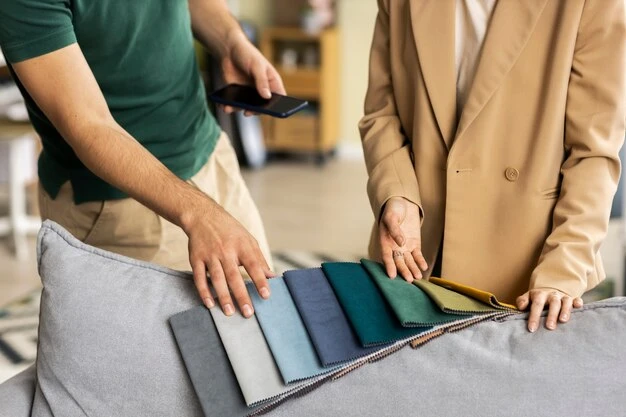
Selecting the right color pairings ensures your outfit feels cohesive and intentional. Complementary combinations create contrast, while analogous colors maintain harmony. Understanding these relationships becomes easier when you apply insights found in discussions like those on the smart office dressing guide, helping you refine pairings such as navy with rust or light blue with grey. Keeping your palette to two or three shades ensures a clean and professional finish.
Using Accessories and Layers to Add Dimension
Accessories and layers can enhance your office casual attire while showcasing your attention to detail. For instance, a pocket square with subtle colors or patterns can add flair to a blazer. Similarly, ties in muted tones or light patterns can elevate even the simplest button-down shirt. Belts and shoes should visibly complement each other, sticking to neutral shades like black or brown for a polished finish.
Layering is another effective way to combine colors and textures in men’s everyday office casual outfits. A sweater or cardigan in neutral hues can be worn over a shirt during colder months, adding depth without compromising professionalism. Incorporating a stylish yet functional jacket or overcoat in navy, grey, or black can complete the look while keeping it workplace-appropriate.
Adapting to Workplace Atmosphere
The level of freedom you can take with colors and patterns relies on your workplace culture. Creative industries may encourage bold experimentation with colors and unconventional pairings, while traditional corporate settings often favor neutral and subdued tones. Pay attention to what your peers are wearing to gauge the flexibility of your office environment.
When in doubt, it’s better to err on the side of being slightly overdressed than underdressed. A classic outfit such as a light blue shirt, grey trousers, and a blazer will never steer you wrong, regardless of the setting. Gradually experimenting with colors or patterns will help you gain confidence in creating versatile office casual looks.
Maintaining a Polished Look
While choosing the right colors and patterns is crucial, maintaining a polished appearance is just as important. Ensure your clothes are clean, well-pressed, and free from wrinkles. Shoes should be spotless and well-maintained, as they speak volumes about your overall attention to detail. Grooming also plays a vital role in presenting a professional image tidy hair, clean-shaven or styled facial hair, and manicured nails go hand in hand with your outfit.
Balancing neatness with creativity in your wardrobe will leave a lasting impression on colleagues and superiors, showcasing your capability and determination through your appearance.
Conclusion
Building a wardrobe of men’s everyday office casual outfits is all about striking the perfect balance between style and workplace appropriateness. By starting with neutral colors, adding subtle pops of color, and incorporating understated patterns, you can create a versatile and professional collection. Thoughtful color coordination and well-maintained accessories further enhance your look, ensuring a polished and cohesive appearance. Whether you’re layering for the season or adapting to your office culture, these tips will help you stay stylish and confident in any professional setting. A little care and attention to detail can go a long way in making you stand out for all the right reasons.