

Chinese Herbal Medicine: History and Applications

IntroductionChinese Herbal Medicine has been an integral part of healthcare for thousands of years. Rooted in the principles of Traditional

author avatar

0 Followers
Chinese Herbal Medicine: History and Applications

Introduction


Chinese Herbal Medicine has been an integral part of healthcare for thousands of years. Rooted in the principles of Traditional Chinese Medicine (TCM), it focuses on restoring balance and promoting overall wellness. The use of herbs has evolved, adapting to modern medical practices while maintaining its foundation in ancient wisdom.
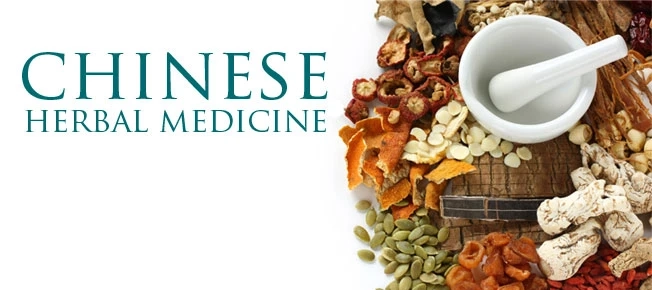

This article examines the origins, evolution, and applications of Chinese Herbal Medicine, highlighting its relevance in contemporary healthcare.


Origins of Chinese Herbal Medicine


The history of Chinese Herbal Medicine dates back over 2,500 years, with early records found in classical texts such as the Shennong Bencao Jing (Divine Farmer’s Materia Medica). This text, written around 200 BCE, categorized herbs based on their medicinal properties.


Ancient Chinese physicians believed that nature provided remedies for various health conditions. By observing the effects of plants and minerals, they documented treatments that are still widely used today. Many of these early formulations remain central to Traditional Chinese Medicine.


Evolution of Traditional Chinese Medicine Over the Centuries


As Traditional Chinese Medicine developed, it became more structured. During the Han Dynasty (206 BCE–220 CE), the Shanghan Lun (Treatise on Cold Damage) and Jingui Yaolue (Essential Prescriptions from the Golden Cabinet) introduced systematic approaches to herbal treatments.


By the Tang Dynasty (618–907 CE), the imperial court established medical schools to formalize the study of herbs. The Tang Materia Medica, one of the earliest government-sanctioned pharmacopoeias, documented hundreds of herbal formulas.


During the Ming Dynasty (1368–1644 CE), Li Shizhen compiled the Bencao Gangmu (Compendium of Materia Medica), an extensive work that detailed over 1,800 substances and their medicinal uses. This text remains a cornerstone of Chinese Herbal Medicine today.


Key Principles and Philosophy


Chinese Herbal Medicine is based on the concept of balance and harmony within the body. The key principles include:


  • Yin and Yang: The idea that opposite forces must be in balance for good health.
  • Qi (Vital Energy): A fundamental energy that flows through the body. Blockages or deficiencies in Qi can lead to illness.
  • The Five Elements: Wood, Fire, Earth, Metal, and Water—each associated with different organs and health conditions.
  • Zang-Fu Theory: Explains the function of internal organs and their relationship with one another.


By analyzing these factors, Traditional Chinese Medicine practitioners develop herbal formulations that support the body’s natural healing processes.


Commonly Used Herbs and Their Benefits


1. Ginseng (Ren Shen, 人参)

  • Known for supporting energy levels and immune function.
  • Often used in formulas to improve overall vitality.


2. Astragalus (Huang Qi, 黄芪)

  • Helps strengthen the immune system.
  • Used to promote stamina and recovery.


3. Licorice Root (Gan Cao, 甘草)

  • Supports digestion and soothes the respiratory system.
  • Frequently included in herbal formulas to harmonize ingredients.


4. Rehmannia (Shu Di Huang, 熟地黄)

  • Commonly used for kidney and adrenal support.
  • Helps nourish the blood and regulate metabolism.


5. Ginger (Sheng Jiang, 生姜)

  • Supports digestion and circulation.
  • Used in many formulas to warm the body and alleviate discomfort.


These herbs, often combined in precise formulations, are integral to Chinese Herbal Medicine and widely used in Traditional Chinese Medicine.


Applications in Modern Healthcare


Chinese Herbal Medicine is increasingly recognized for its role in managing health conditions. Some common applications include:


1. Digestive Health


Herbal formulas can aid in managing digestive concerns such as bloating, acid reflux, and irritable bowel syndrome.


2. Respiratory Support


Many herbs are used to support lung health, particularly for conditions like chronic cough and seasonal allergies.


3. Stress and Mental Well-Being


Adaptogenic herbs like ginseng and schisandra are used to support the nervous system and promote emotional balance.


4. Women’s Health


Herbal remedies are often used for menstrual regulation, menopause support, and reproductive health.


5. Immune Function


Many herbs, including astragalus and reishi mushroom, are used to support immune resilience.

The adaptability of Traditional Chinese Medicine makes it relevant in both preventative care and therapeutic treatments.


The Role of KPC Herbs in Chinese Herbal Medicine


As Chinese Herbal Medicine gains global recognition, the quality and consistency of herbs have become crucial. KPC Herbs is a leading brand committed to producing high-quality herbal formulas.


  1. KPC Herbs ensures rigorous testing for purity and potency.
  2. Their production methods adhere to Good Manufacturing Practices (GMP).
  3. KPC Herbs sources authentic ingredients to maintain traditional formulations.
  4. They provide standardized extracts, making Traditional Chinese Medicine accessible to modern practitioners.


By prioritizing quality, KPC Herbs plays a significant role in preserving the integrity of Chinese Herbal Medicine.


Scientific Perspective on Traditional Chinese Medicine


Modern research has examined the efficacy of Chinese Herbal Medicine in various health applications. Clinical studies have shown promising results in areas such as:


  • Herbal formulas for managing inflammation and immune response.
  • The impact of ginseng and astragalus on energy and metabolic health.
  • The role of licorice root in supporting digestive health.


While ongoing research continues to validate these findings, many practitioners integrate Traditional Chinese Medicine alongside conventional treatments.


Safety and Quality Considerations


When using Chinese Herbal Medicine, it is essential to:


  • Consult a qualified practitioner to ensure proper formulation.
  • Choose reputable brands like KPC Herbs for quality assurance.
  • Be aware of potential herb-drug interactions.


With proper guidance, Traditional Chinese Medicine remains a valuable part of holistic healthcare.


Conclusion


Chinese Herbal Medicine has a long-standing history rooted in tradition and natural healing. Its principles, herbs, and applications continue to shape modern wellness practices. Brands like KPC Herbs ensure the integrity and accessibility of these time-tested remedies.

As interest in Traditional Chinese Medicine grows, ongoing research and quality standards will further integrate it into global healthcare systems.


FAQs


1. What is the difference between Chinese Herbal Medicine and Western medicine?


Western medicine focuses on symptom management, while Chinese Herbal Medicine aims to restore balance and address underlying causes.


2. Can I use Chinese herbs alongside prescription medications?


It is best to consult a healthcare provider to avoid potential interactions between herbal remedies and medications.


3. How long does it take for Chinese herbs to show results?


The effects depend on the individual and condition. Some may notice benefits within weeks, while others require longer use.


4. Are all Chinese herbs safe for daily use?


Not all herbs are meant for long-term use. It is important to follow expert recommendations for dosage and duration.


5. Where can I find high-quality Chinese herbs?


Reputable brands like KPC Herbs offer lab-tested and standardized herbal products for safe and effective use. 


Top
Comments (0)
Login to post.
