



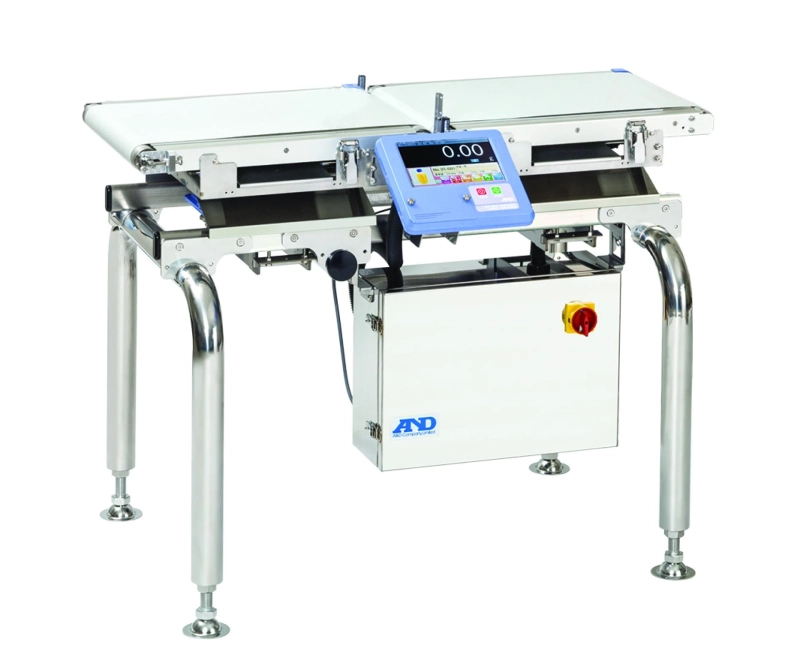
In industries such as food processing, pharmaceuticals, and logistics, checkweighers play a vital role in ensuring accuracy, compliance, and efficiency. They automatically weigh products as they move along a production line, verifying that each unit meets target specifications.
If you’re considering integrating a checkweigher into your operation, one of the first decisions you’ll face is whether to purchase the equipment outright or rent it. Both options have advantages and disadvantages, and choosing the right approach can impact your budget, workflow, and long-term operational efficiency.
Understanding Checkweighers
A checkweigher is an automated system designed to weigh individual products and detect underweight or overweight items. Modern checkweighers often include advanced features such as:
- Integration with production lines
- Digital displays and software for tracking and reporting
- High-speed operation for large-scale production
- Connectivity with quality control and ERP systems
By ensuring that products meet weight specifications, checkweighers help businesses maintain regulatory compliance, reduce product giveaway, and prevent revenue loss.
Option 1: Purchasing a Checkweigher
Buying a checkweigher is a significant investment, often costing anywhere from tens of thousands to over a hundred thousand dollars, depending on capacity, speed, and features. However, ownership comes with several advantages:
1. Long-Term Cost Efficiency
If your production line requires constant weighing, purchasing a checkweigher may be more cost-effective over time. After the initial investment, there are no recurring rental fees, and depreciation can often be claimed for tax purposes.
2. Full Control and Customization
Owning a checkweigher allows you to:
- Customize the system to your production line
- Configure settings for your specific product sizes and weights
- Integrate fully with other automation equipment
This level of control is particularly important for high-volume or specialized operations.
3. Reliability and Consistency
Owning your equipment ensures it’s always available, and you can schedule maintenance on your terms. There’s no dependency on rental contracts, availability, or delivery delays. Long-term users benefit from familiarity with the system, which can reduce errors and improve efficiency.
Considerations When Purchasing
- Upfront cost: A significant capital expenditure may affect cash flow.
- Maintenance responsibility: You are responsible for servicing, calibration, and repairs.
- Technological obsolescence: Equipment may become outdated, requiring eventual replacement or upgrades.
For businesses with steady production demands and long-term plans, purchasing is often the most practical option.
Option 2: Renting a Checkweigher
Renting a checkweigher provides an alternative path, offering flexibility for businesses with short-term needs or variable production volumes. Rental arrangements typically include:
- Installation and setup
- Maintenance and calibration
- Technical support and troubleshooting
1. Lower Initial Investment
Renting avoids the large upfront cost associated with purchasing. This is ideal for businesses that:
- Have limited budgets
- Need temporary production capacity
- Are testing new product lines
2. Flexibility
Rental agreements allow you to:
- Upgrade to newer models as technology advances
- Scale capacity up or down based on seasonal demand
- Avoid committing to a single machine for long periods
This flexibility can be particularly beneficial for contract manufacturers or seasonal production lines.
3. Maintenance and Support Included
Most rental agreements include full servicing and calibration. This reduces the burden on your internal team and ensures that the equipment remains compliant with regulations. It also minimizes downtime, which is critical in high-speed production environments.
Considerations When Renting
- Recurring cost: Rental fees can add up over long periods, potentially exceeding the cost of ownership.
- Limited customization: Rented equipment may not fully align with specific production requirements.
- Dependence on supplier availability: Rental equipment may be unavailable when you need it most.
Renting is ideal for short-term projects, trial periods, or operations with fluctuating demands.
Key Factors to Consider Before Deciding
When deciding between renting and purchasing a checkweigher, consider the following:
1. Production Volume
High-volume operations benefit more from purchasing due to long-term cost efficiency. Low-volume or seasonal operations may benefit from rental flexibility.
2. Budget and Cash Flow
Consider whether your business can accommodate a large capital expenditure or prefers smaller, predictable monthly payments.
3. Duration of Need
If the checkweigher is needed for a short project or trial run, renting avoids unnecessary long-term investment.
4. Technical Expertise
If your team lacks expertise in maintenance and calibration, renting with included service may be advantageous.
5. Product Specificity
Specialized products may require custom configuration. Purchased machines can be fully customized, whereas rental units may have limited adaptability.
Hybrid Solutions
Some businesses opt for a hybrid approach, combining purchase and rental:
- Purchasing a checkweigher for permanent production lines
- Renting additional machines during peak seasons or special projects
This strategy balances cost efficiency with flexibility, ensuring operations can scale without over-investing.
Conclusion: Choosing What’s Right for Your Operation
There is no one-size-fits-all answer when deciding between checkweigher rental and purchase. Each option offers benefits depending on your production volume, budget, duration of use, and technical requirements.
- Purchase is ideal for long-term, high-volume, and highly specialized operations where control, consistency, and customization are priorities.
- Rental is better suited for short-term projects, seasonal demand, testing new products, or situations where budget constraints and maintenance support are key considerations.
By carefully evaluating your operational needs, financial considerations, and technical requirements, you can make an informed decision that ensures accurate, efficient, and compliant weighing in your production line.
Ultimately, whether you buy or rent, the right checkweigher will help streamline operations, reduce waste, and maintain product quality — supporting both profitability and customer satisfaction.