



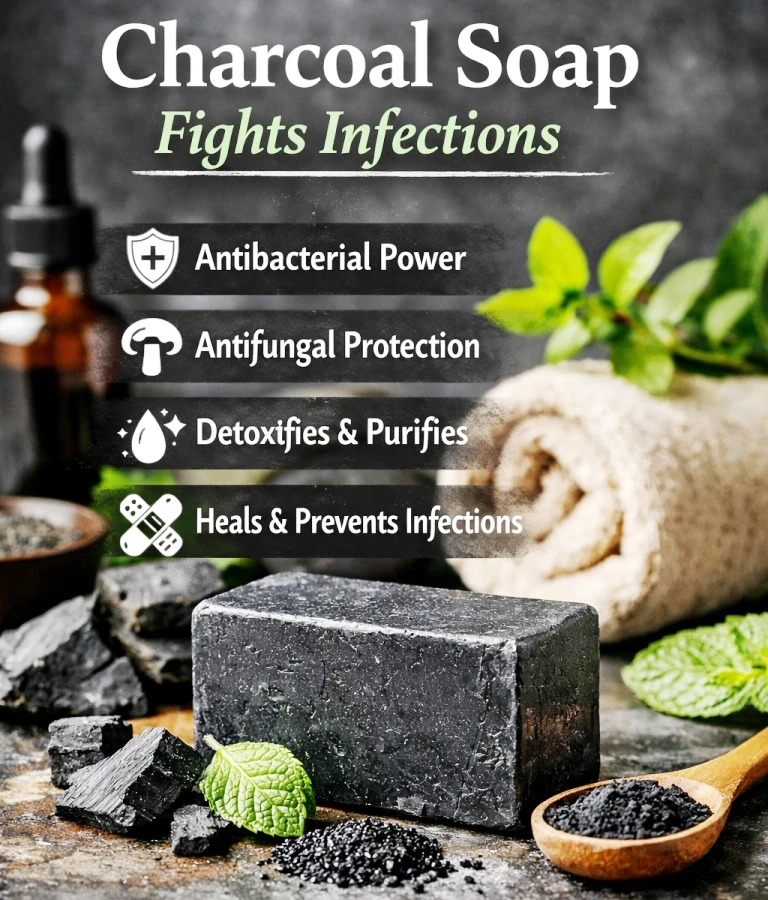
In recent years, charcoal soap has gained immense popularity in the personal care industry, and for good reason. Once known mainly for its use in medical detoxification and water filtration, activated charcoal has now become a trusted ingredient in skincare and hygiene products. Among these, charcoal soap stands out for its ability to cleanse deeply, purify the skin, and most importantly, fight infections. Charcoal soap fights infections? Thanks to its unique absorption properties and natural antimicrobial benefits, charcoal soap offers an effective and gentle way to maintain skin health while reducing the risk of bacterial and fungal infections.
What Is Charcoal Soap?
Charcoal soap is typically made using activated charcoal, a form of carbon processed at high temperatures to create millions of tiny pores. These pores dramatically increase the charcoal’s surface area, enabling it to bind with toxins, bacteria, excess oil, and impurities. When incorporated into soap, activated charcoal works as a powerful cleansing agent that removes harmful substances from the skin without relying on harsh chemicals.
Unlike ordinary soaps that may only clean the surface, charcoal soap penetrates deeper into pores, drawing out contaminants that can lead to infections, inflammation, and unpleasant odors.
How Charcoal Soap Fights Infections
Skin infections often develop when bacteria, fungi, or other microorganisms multiply in moist, oily, or unclean conditions. Charcoal soap helps prevent and combat these infections through several key mechanisms:
1. Antibacterial Properties
Activated charcoal has natural antibacterial effects. It binds to bacteria on the skin’s surface and within pores, removing them during rinsing. By reducing bacterial load, charcoal soap helps prevent common skin infections such as acne, folliculitis, boils, and minor wounds from becoming infected.
Regular use of charcoal soap can significantly lower the presence of infection-causing bacteria, making it particularly useful for individuals with oily or acne-prone skin.
2. Antifungal Action
Fungal infections, such as athlete’s foot, ringworm, and yeast-related skin conditions, thrive in warm and damp environments. Charcoal soap helps by absorbing moisture and impurities that fungi depend on for growth. When combined with natural ingredients like tea tree oil or neem, charcoal soap becomes even more effective against fungal infections.
Using charcoal soap on areas prone to sweating—such as feet, underarms, and skin folds—can help reduce fungal buildup and prevent recurring infections.
3. Detoxification of the Skin
One of the most powerful features of activated charcoal is its detoxifying ability. Environmental pollutants, chemicals, and toxins can weaken the skin’s natural defense barrier, making it more susceptible to infections. Charcoal soap draws out these harmful substances, allowing the skin to breathe and repair itself.
By detoxifying the skin regularly, charcoal soap supports the immune response of the skin and creates an environment that is hostile to infectious microorganisms.
Benefits for Acne and Breakouts
Acne is often caused by a combination of bacteria, excess oil, and clogged pores. Charcoal soap addresses all three factors simultaneously. It absorbs excess sebum, unclogs pores, and removes acne-causing bacteria. This not only helps treat existing breakouts but also prevents new ones from forming.
Unlike harsh acne treatments that can dry out or irritate the skin, charcoal soap provides a balanced approach—cleansing deeply while maintaining the skin’s natural moisture barrier.
Supports Wound and Skin Healing
Minor cuts, insect bites, and abrasions can easily become infected if not properly cleaned. Charcoal soap helps cleanse wounds gently, removing bacteria and impurities that could slow down healing. Its mild exfoliating effect also removes dead skin cells, promoting faster regeneration of healthy skin.
Because charcoal soap is generally free from strong synthetic chemicals, it is suitable for daily use and for people with sensitive skin, provided it is properly formulated.
Odor Control and Hygiene
Body odor is often caused by bacteria breaking down sweat. Charcoal soap excels at odor control by absorbing sweat and eliminating odor-causing bacteria. This makes it an excellent choice for personal hygiene, especially for people who are physically active or live in hot and humid climates.
By keeping the skin clean and bacteria-free, charcoal soap indirectly reduces the risk of infections associated with poor hygiene.
Natural and Chemical-Free Protection
Many commercial antibacterial soaps rely on synthetic agents that can disrupt the skin’s natural microbiome and contribute to antibiotic resistance. Charcoal soap, when made with natural ingredients, offers a safer alternative. It supports healthy skin flora while targeting harmful microbes, striking a balance between cleanliness and skin health.
This makes charcoal soap suitable for long-term use without the negative side effects associated with chemical-heavy products.
Who Can Benefit from Charcoal Soap?
Charcoal soap is beneficial for a wide range of people, including:
- Individuals with acne-prone or oily skin
- People prone to fungal infections
- Athletes and physically active individuals
- Those exposed to pollution and toxins
- Anyone seeking natural infection-fighting skincare
However, as with any skincare product, users should choose high-quality formulations and perform a patch test, especially if they have very sensitive skin.
Conclusion
Charcoal soap is more than just a skincare trend - it is a powerful, natural tool for fighting infections and maintaining healthy skin. Through its antibacterial, antifungal, and detoxifying properties, it helps protect the skin from harmful microorganisms while promoting cleanliness and balance. Whether used for daily hygiene, acne control, or infection prevention, charcoal soap offers an effective and gentle solution rooted in nature.
As awareness grows about the importance of natural and sustainable personal care, charcoal soap continues to stand out as a reliable ally in the fight against skin infections—proving that sometimes, the simplest natural ingredients deliver the most powerful results.