



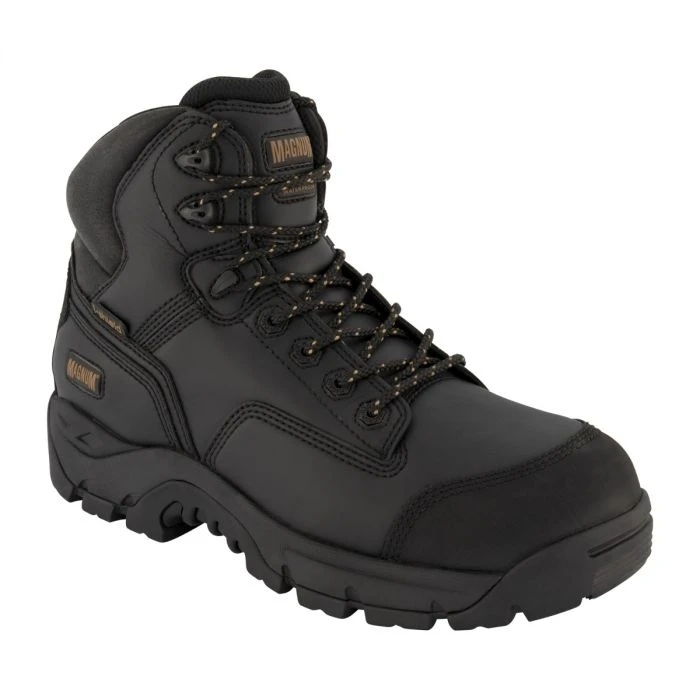
When you invest in a pair of Magnum Fire Boots, you’re not just purchasing footwear—you’re securing protection, durability, and comfort designed specifically for the toughest conditions. Firefighting boots need to withstand heat, flames, water, heavy debris, and long hours of physically demanding work. However, even the most rugged boots won’t last forever without proper care.
Regular maintenance is key to ensuring your Magnum Fire Boots stay reliable, safe, and comfortable throughout their lifespan. Neglecting maintenance can lead to premature wear, reduced protection, and discomfort on the job.
Why Maintenance Matters
Firefighting boots undergo more stress than almost any other type of work boot. They are exposed to:
- Extreme heat and flames during fire suppression.
- Water and moisture from hoses, puddles, and storms.
- Chemical exposure from hazardous materials.
- Heavy impacts and abrasions from debris.
Without proper care, these factors can break down the leather, weaken stitching, damage waterproofing, and compromise the boots’ safety features. Regular cleaning, conditioning, and inspections help maintain both safety and comfort.
Step-by-Step Care for Magnum Fire Boots
1. Clean After Every Use
After each shift or training session, clean your boots thoroughly:
- Remove dirt and debris – Use a soft brush or damp cloth to wipe away mud, ash, or chemicals. Pay special attention to the outsole treads, where buildup can affect grip.
- Rinse with water – If boots have been exposed to chemicals or salt, rinse them with clean water to prevent damage. Avoid soaking them.
- Use mild soap if needed – A gentle soap solution helps remove stubborn grime, but never use harsh detergents that could strip protective coatings.
This quick routine prevents buildup that can degrade leather and materials over time.
2. Dry Properly
Improper drying is one of the fastest ways to ruin fire boots. Magnum Fire Boots are designed with moisture-resistant materials, but constant dampness can cause problems.
- Air dry naturally – Place boots in a cool, ventilated area away from direct heat sources like radiators or open flames. Excessive heat can cause leather to crack and warp.
- Remove insoles and laces – This allows better airflow and quicker drying inside the boot.
- Use boot dryers – If available, use a low-temperature boot dryer for safe and efficient drying.
Avoid leaving boots in direct sunlight for extended periods, as UV rays can weaken materials.
3. Condition the Leather
Leather fire boots need conditioning to stay supple and durable:
- Choose the right conditioner – Use leather conditioners designed for firefighting or heavy-duty boots. Regular shoe polish is not suitable for fire-resistant footwear.
- Apply sparingly – Too much conditioner can soften leather excessively, reducing structural integrity.
- Condition regularly – Apply every few weeks, or more often if boots are frequently exposed to water and heat.
Conditioning not only keeps leather flexible but also adds an extra layer of water resistance.
4. Maintain Waterproofing
Many Magnum Fire Boots come with waterproof membranes or treatments. Over time, these can wear down.
- Reapply waterproofing sprays – Use sprays designed for fire boots or breathable waterproof leather.
- Inspect seams – If stitching starts to let in water, apply seam sealers or have them professionally repaired.
Keeping boots waterproof is essential for both comfort and safety on wet firegrounds.
5. Check and Replace Insoles
The insoles in your Magnum Fire Boots provide cushioning, moisture control, and support. Over time, they flatten or absorb odors.
- Remove and air out after each use to reduce bacteria buildup.
- Wash or replace regularly, especially if they lose their cushioning or smell persists.
- Consider upgraded insoles – Some firefighters swap standard insoles for orthopedic or gel versions to reduce fatigue.
Fresh insoles extend comfort and improve foot health, especially during long shifts.
6. Inspect for Wear and Damage
Before and after every use, inspect your boots:
- Check soles for wear – Deep tread patterns ensure traction. Worn-out soles increase the risk of slipping.
- Inspect stitching – Loose or broken stitching compromises durability.
- Look for cracks or splits – Damaged leather or uppers reduce protection.
- Test zippers and laces – Make sure closures are functional and secure.
Catch small problems early before they become safety hazards.
7. Store Correctly
Proper storage keeps your Magnum Fire Boots in good condition between shifts.
- Store in a dry, cool place – Avoid damp basements or hot garages.
- Keep them upright – Use boot trees or stuff boots with newspaper to maintain shape.
- Avoid stacking heavy items – Crushing boots can deform the leather and soles.
Correct storage ensures boots retain their shape and protective features.
8. Rotate Between Pairs
If possible, own two pairs of Magnum Fire Boots and rotate between them. This allows one pair to dry and recover while the other is in use. Not only does this extend the life of each pair, but it also ensures you always have a reliable backup.
9. Professional Servicing and Repairs
Sometimes boots need more than at-home care:
- Sole replacement – Worn soles can often be replaced by professionals.
- Stitching repairs – Skilled cobblers can reinforce weak points.
- Zipper replacement – Essential for side-zip models if zippers start failing.
Professional maintenance can add years to your boots’ lifespan, making it a worthwhile investment.
Extra Tips for Longevity
- Wear appropriate socks – Moisture-wicking, fire-resistant socks help reduce sweat buildup and protect against blisters.
- Avoid unnecessary exposure – Don’t wear fire boots for casual use outside of work; save them for duty.
- Follow manufacturer guidelines – Magnum provides specific care instructions for each model—always check the label.
When to Replace Your Boots
Even with excellent care, no fire boots last forever. Replace your Magnum Fire Boots when:
- The tread is worn smooth.
- Leather shows deep cracks or damage.
- Waterproofing fails consistently.
- Safety features like toe caps or midsoles are compromised.
- Comfort is significantly reduced despite insole replacement.
Timely replacement ensures you remain protected in high-risk environments.
Final Thoughts
Magnum Fire Boots are built to withstand extreme conditions, but their longevity depends on how well you care for them. By cleaning, conditioning, waterproofing, and inspecting your boots regularly, you’ll not only extend their life but also maintain their protective qualities and comfort.
Your boots are more than just footwear—they’re an essential part of your firefighting gear. With the right maintenance, Magnum Fire Boots will continue to serve and protect you, allowing you to focus on the critical work at hand.