



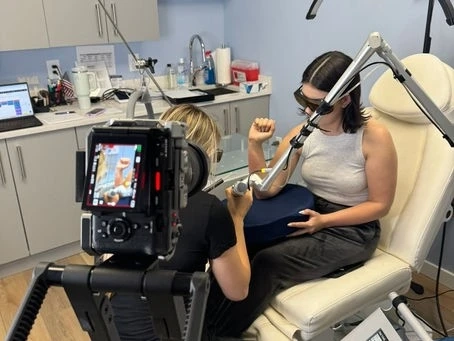
In today’s visually driven world, video has become one of the most powerful ways to communicate ideas, emotions, and stories. From personal milestones to commercial campaigns, moving images offer a depth that static visuals often cannot achieve. As audiences increasingly consume content across digital platforms, the demand for high-quality video has grown rapidly. This shift has elevated videography from a supporting role to a central storytelling medium across industries.
Video now influences how people perceive value, authenticity, and professionalism. Viewers expect more than basic visuals; they seek experiences that feel immersive and intentional. Strong video content builds emotional connections and keeps audiences engaged longer. It also helps messages stand out in an increasingly crowded digital space. As a result, videography has become an essential communication tool rather than a creative luxury.
The Evolution of Visual Storytelling
Videography has evolved far beyond simple recordings. Modern productions blend creativity, technology, and strategy to deliver compelling narratives. Camera movement, lighting, composition, and sound design now work together to create immersive experiences. Whether showcasing a product, documenting an event, or telling a brand story, video allows viewers to feel present in the moment.
In regions known for diverse landscapes, architecture, and vibrant communities, visual storytelling becomes even more impactful. A professional approach ensures that every frame reflects intention, mood, and clarity.
Understanding the Role of a Professional Videographer
A professional videographer does more than operate a camera. The role involves planning, creative direction, technical execution, and post-production refinement. From concept development to final edits, every stage requires precision and artistic judgment. A skilled videographer in Connecticut understands how to translate ideas into visual narratives that resonate with specific audiences.
This expertise includes selecting the right equipment, managing lighting conditions, and capturing audio cleanly. It also involves adapting to different environments, whether filming indoors, outdoors, or in fast-paced live settings. The result is a polished final product that communicates clearly and effectively.
Videography Across Different Industries
Video content serves a wide range of industries. Corporate teams use it for training, internal communications, and promotional campaigns. Real estate professionals rely on video to showcase properties with depth and flow. Event organizers preserve important moments through cinematic coverage. Creative professionals use video to build emotional connections with audiences.
In each of these cases, a videographer in Connecticut brings local knowledge and adaptability to the project. Understanding regional aesthetics, locations, and audience preferences helps shape content that feels authentic rather than generic.
The Importance of Cinematic Quality
Cinematic quality sets professional video apart from casual recordings. Smooth camera movements, balanced lighting, and thoughtful framing elevate the viewing experience. Color grading and sound design further enhance mood and clarity. These elements work together to create videos that feel intentional and engaging.
High-quality visuals help build credibility and trust. Viewers often associate production value with professionalism, making cinematic video a strategic asset for businesses and creators alike. This is especially true in competitive markets where attention spans are short and expectations are high.
Planning and Pre-Production
Successful video projects begin long before the camera starts rolling. Pre-production involves defining goals, outlining concepts, scouting locations, and planning logistics. This phase ensures that filming runs smoothly and efficiently. Clear planning reduces errors, saves time, and leads to better results.
A seasoned videographer in Connecticut approaches pre-production with structure and creativity. They consider factors such as lighting conditions, weather, schedules, and storytelling flow. This preparation allows for flexibility during filming while maintaining a clear creative direction.
Post-Production: Where the Story Comes Together
Post-production is where raw footage transforms into a cohesive narrative. Editing shapes pacing, tone, and structure. Music, sound effects, and color correction add emotional depth and polish. This stage requires both technical skill and storytelling intuition.
Effective editing ensures that the message is clear and engaging from start to finish. A professional videographer in Connecticut understands how to balance creativity with purpose, ensuring the final video aligns with its intended goals and audience.
Why Video Drives Engagement
Video consistently outperforms other content formats in engagement and retention. Viewers are more likely to watch, share, and remember video content. Motion, sound, and visual storytelling work together to capture attention quickly and hold it longer.
This makes video an essential tool for communication, marketing, and education. When executed professionally, it becomes a powerful medium for building connections and conveying complex ideas in an accessible way. Video also encourages emotional responses, which strengthens message recall and viewer trust. Audiences tend to spend more time interacting with video compared to text-based content. This extended engagement increases understanding and impact. Over time, consistent video use helps reinforce brand recognition and credibility.
Adapting to Modern Platforms
Today’s video content must perform across multiple platforms, from websites to social media to presentations. Each platform has unique requirements for format, length, and style. Professionals understand how to optimize content for different channels without compromising quality.
A knowledgeable videographer in Connecticut considers these factors during production and editing. This ensures that videos remain effective and visually appealing wherever they are viewed, maximizing their reach and impact.
Choosing the Right Creative Partner
Selecting the right videography professional involves evaluating experience, style, and approach. A strong portfolio demonstrates versatility and attention to detail. Clear communication and collaboration are equally important, as successful projects rely on shared understanding and creative alignment.
Working with an experienced videographer in Connecticut offers the advantage of local insight combined with professional standards. This balance helps produce content that feels both polished and relevant.
The Lasting Value of Professional Videography
Video content has a lasting impact. Well-produced videos can be repurposed across campaigns, platforms, and timelines. They continue to engage audiences long after initial release, offering long-term value.
In an increasingly visual world, investing in professional videography is not just about aesthetics. It is about clarity, connection, and credibility. Thoughtful video storytelling captures attention, communicates purpose, and leaves a memorable impression that endures. As digital consumption continues to rise, video remains one of the most effective ways to share stories with authenticity. Strong visuals help ideas travel further and resonate deeper. Ultimately, professional videography transforms messages into experiences audiences remember.