The growth in the solar industry has been nothing short of remarkable - and as someone who lives right in the heart of the action, I can tell you it’s exhilarating. Let’s dig into whether the industry can truly keep up with its explosive momentum, and what obstacles it must navigate - especially around the crucial topic of solar farm decommissioning.
A Skyrocketing Market
We’re seeing the global market for large-scale solar farms rise at a breathtaking pace. For example, one report puts the value of the solar-farm market at around USD 85.2 billion in 2024, with a projected CAGR of 15.2% through 2035. Another suggests a CAGR of nearly 17.5% from 2022 to 2030. What this tells us: the world is ramping up installation of utility-scale solar as rapidly as we’ve ever seen.
Why is that? There are several reasons:
- Solar module costs are dropping, making solar farms more economically viable.
- Policy support is stronger than ever.
- The push for cleaner energy and grid diversification has shifted into high gear.
- Utility-scale solar is increasingly being treated as mainstream rather than a niche.
So yes - the demand side looks very strong, and it’s realistic to say the industry is capable of major expansion.
But It's Not That Simple
Growth alone doesn’t mean “everything’s fine.” As we scale, we bump into several big challenges. I’ll walk you through two of the most important ones - one of them involves Solar Farm Decommissioning, which happens when large solar installations reach end-of-life or need to be taken down, upgraded, or replaced.
1. Supply Chain & Manufacturing Pressure
Scaling rapidly means that manufacturing, logistics, installation crews, material sourcing, and grid interconnection all need to “keep up.” Bottlenecks in any of these can slow things. For example:
- Even if solar panels are cheaper, large-scale installations still require land, transmission access, and skilled labor.
- With growth this fast, one question is: will the materials, manufacturing capacity and regulatory infrastructure scale smoothly or stumble?
2. End-of-Life and Decommissioning
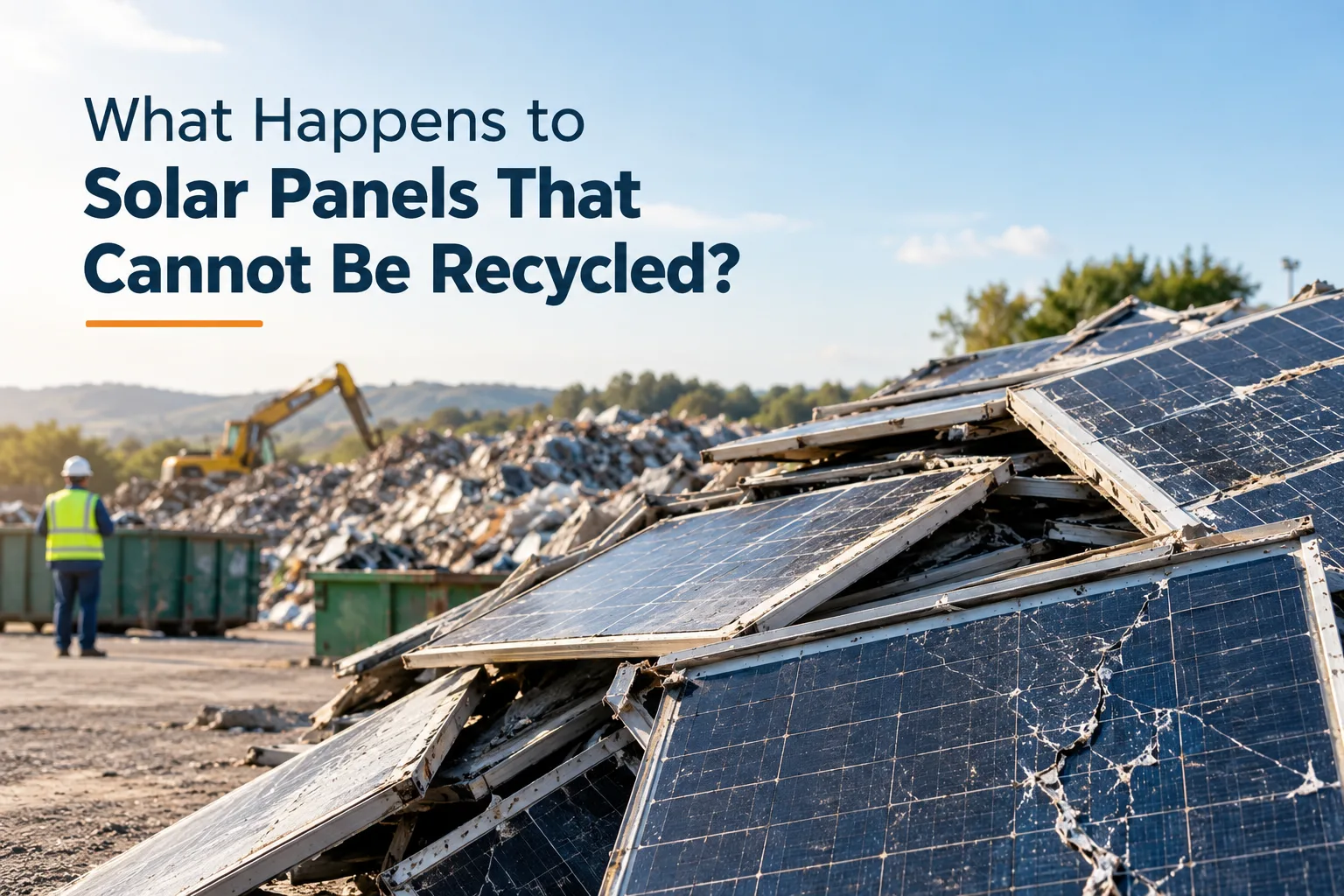
As we build more solar farms, we’ll eventually have many that approach the end of their operational life. This is where Solar Decommissioning becomes critical.
- A report from University of Virginia Weldon Cooper Center highlighted that only about 25% of jurisdictions in its study had structures or ordinances in place to manage decommissioning when the farm ends its life.
- There are emerging standards and regulations governing this process.
- One specialized provider notes they handle everything from deconstruction and removal to recycling and value recovery for end-of-life solar assets.
Why this matters: growth isn’t just about building - the industry must also plan for what happens when those panels, racks, inverters, and infrastructure reach the end of useful life. Otherwise we risk stranded assets, environmental liabilities or wasted materials.
Can the Industry Keep Up?
In many ways yes the fundamentals are strong: demand, policy support, cost declines. But “keeping up” means more than just building new farms. It means building a sustainable ecosystem: manufacturing, installation, operation, and decommissioning all working in concert.
Here are some key ingredients for success:
- Robust planning for asset life-cycle: That means from ground-breaking through to decommissioning, we need to plan and allocate for when systems reach end of life.
- Regulatory clarity: Governments and local authorities need clear rules about decommissioning, recycling and land restoration.
- Investment in recycling and reuse: As solar farms age, repurposing the equipment or recycling materials will become more important—and companies offering decommissioning services become more vital.
- Flexible business models: With technology evolving (better panels, storage, hybrid systems), some farms may be repowered rather than torn down. That adds complexity.
- Maintaining supply-chain resilience: Rapid growth can stress manufacturing, shipping, grid interconnection and workforce. Keeping those aligned is non-trivial.
Final Thoughts
So can the solar industry keep up with its explosive growth? I believe yes but only if the whole ecosystem scales in a balanced way. It’s not just about installing hundreds of gigawatts of panels it’s about managing those assets through their full life, including the crucial phase of decommissioning. Without that, we risk hitting bottlenecks or environmental/financial liabilities that could slow the momentum.
If you’d like, I can pull together trends in decommissioning services and how the market for that is evolving (for example: recycling, repowering, land restoration). Would that be helpful for your blog or planning?