



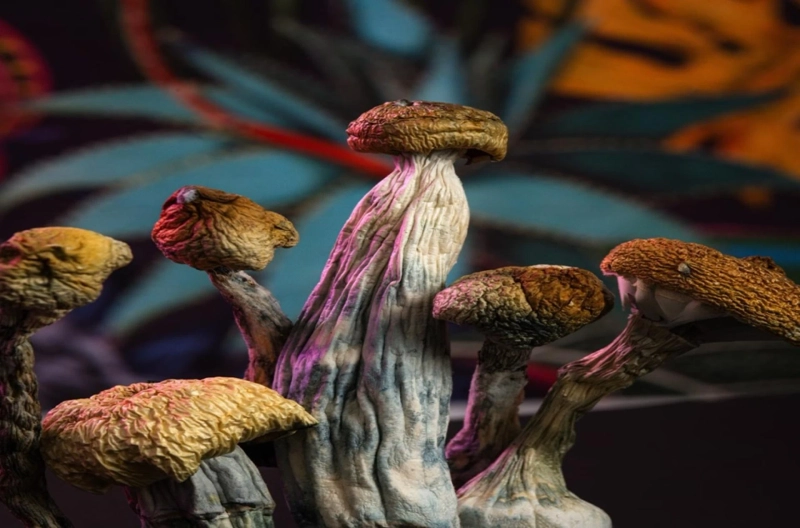
Anxiety disorders are among the most common mental health conditions worldwide, affecting millions of people. Traditional treatments, such as therapy and prescription medications, provide relief for many, but some individuals continue to struggle with persistent anxiety. Recently, a growing body of research has explored the potential of magic mushrooms, specifically psilocybin—the psychoactive compound in these mushrooms—as an alternative treatment for anxiety.
Psilocybin has been studied extensively in controlled clinical settings for its therapeutic potential. Research suggests that psilocybin can significantly reduce symptoms of anxiety, particularly in patients dealing with life-threatening illnesses, such as cancer. A landmark study published in the Journal of Psychopharmacology found that patients who received psilocybin-assisted therapy experienced substantial reductions in anxiety and depression, with effects lasting for several months.
One reason psilocybin may help with anxiety is its impact on brain function. Psilocybin appears to alter activity in the default mode network (DMN), a brain network associated with self-referential thoughts and rumination—patterns often heightened in anxiety disorders. By temporarily “resetting” the DMN, psilocybin may help individuals break free from negative thought loops, allowing them to gain new perspectives and emotional insights.
Another key factor is the therapeutic context. Psilocybin is not typically used as a standalone treatment. Instead, it is administered in combination with psychotherapy in controlled environments. Guided psilocybin sessions encourage introspection, emotional processing, and mindfulness, which can enhance coping strategies and reduce anxiety. Patients often report feeling more connected to themselves and the world around them, which may contribute to long-term improvements in mental health.
While the results are promising, it is important to note that psilocybin therapy is still largely experimental. Side effects can include temporary anxiety, nausea, or perceptual changes during a session. It may not be suitable for individuals with a history of psychosis or certain heart conditions. Additionally, because psilocybin remains a controlled substance in many countries, legal access is limited, although Canada and some U.S. states are exploring medical programs and research exemptions.
Despite these limitations, the growing evidence highlights the potential of magic mushrooms as a complementary tool for managing anxiety disorders. Studies indicate that psilocybin-assisted therapy may offer relief for individuals who have not responded adequately to conventional treatments, providing hope for those seeking alternative approaches.
For Canadians interested in exploring psilocybin for anxiety, it is crucial to seek guidance from licensed professionals and access products through legal, regulated channels to ensure safety and efficacy. The combination of medical supervision, controlled dosing, and therapeutic support creates the safest environment for exploring the benefits of magic mushrooms for anxiety.
As research continues, psilocybin may emerge as a groundbreaking option in the mental health landscape, offering new hope to those struggling with anxiety disorders.