


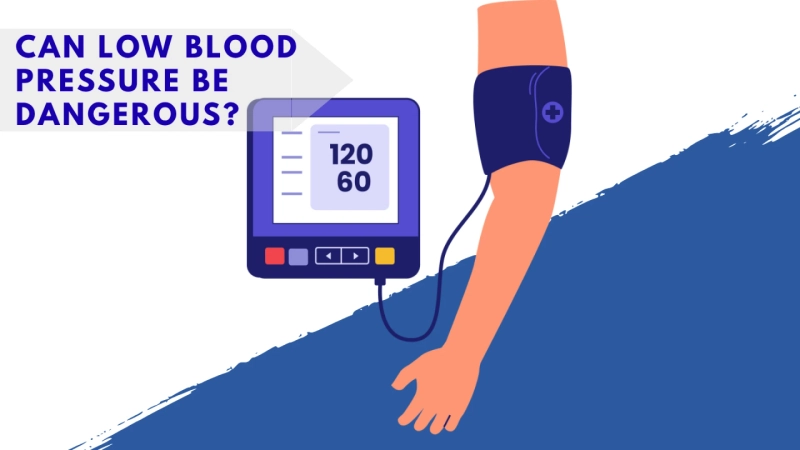
Blood pressure, the force exerted by blood against the walls of the arteries, is one of the most critical health metrics. A reading is typically expressed as two numbers: systolic (the pressure when the heart beats) over diastolic (the pressure when the heart rests between beats). While high blood pressure (hypertension) receives widespread attention due to its chronic risks, low blood pressure, or hypotension, is often dismissed. Defined generally as a reading below 90/60 mmHg, hypotension, when symptomatic or sudden, demands serious attention. Understanding the distinction between naturally low and dangerously low blood pressure is vital because the question of Can Low Blood Pressure Cause Death pivots entirely on the underlying cause and the speed of the pressure drop.
For many healthy, fit, or younger individuals in Thailand, a naturally low blood pressure is actually a sign of cardiovascular efficiency and is not associated with any symptoms or increased risk. However, when blood pressure drops rapidly or remains pathologically low, it indicates that the brain and other vital organs may not be receiving the necessary oxygen and nutrients, a condition known as shock. This is a medical emergency that can lead to organ failure, heart attack, stroke, and death. Therefore, separating benign hypotension from its acute, life-threatening forms is the crucial first step in effective management.
Defining Benign vs. Pathological Hypotension
The clinical significance of a low blood pressure reading is determined not by the number alone, but by the presence of symptoms and the body's compensatory mechanisms.
Physiologically Low Blood Pressure (Benign)
Many individuals, particularly physically active people, those who are naturally thin, or certain younger adults, have chronic blood pressure readings that are consistently lower than 120/80 mmHg but are perfectly healthy.
- Characteristics: In this state, the individual is completely asymptomatic. Their organs are receiving adequate blood flow, and the body's system is working efficiently. No treatment is necessary; in fact, this state is often associated with a lower lifetime risk of cardiovascular disease.
- Management: No intervention is required, though regular monitoring is wise to ensure the pressure remains stable.
Pathological Hypotension (Symptomatic)
Hypotension becomes pathological—a sign of an underlying problem—when it drops severely or rapidly enough to cause symptoms. Symptoms arise when vital organs, primarily the brain, become temporarily starved of oxygen.
- Common Symptoms: Dizziness, lightheadedness, blurred vision, general weakness, and inability to concentrate.
- Action: Even mild symptoms, especially if new or persistent, warrant a medical consultation to find the cause.
Acute and Life-Threatening Causes of Severe Hypotension
The most immediate danger of low blood pressure occurs when the drop is sudden and severe, often indicating a state of shock where organs are failing due to insufficient blood perfusion. These scenarios require immediate emergency medical care.
Hypovolemic Shock (Severe Fluid Loss)
Hypovolemic shock results from a critical loss of blood volume, which can lead to rapid organ failure.
- Mechanism: The body's total blood volume is suddenly reduced by more than 20% (or about 1500-2000 mL). With less fluid to circulate, the blood pressure drops dangerously low.
- Common Triggers in Thailand: Severe, unchecked dehydration (due to heat exhaustion in the hot climate or prolonged, severe diarrhea/vomiting), major trauma or accidents leading to external or internal bleeding, or acute gastrointestinal bleeding (e.g., from a ruptured ulcer).
- Signs of Shock: Rapid and weak pulse, cold/clammy skin, rapid shallow breathing, confusion, or loss of consciousness.
Distributive Shock (Vessel Failure)
In this form of shock, the total blood volume is normal, but the blood vessels throughout the body suddenly relax and widen (vasodilation) uncontrollably.
- Mechanism: This widespread dilation increases the capacity of the vascular system so drastically that the existing blood volume cannot fill it, causing blood pressure to plummet.
- Common Triggers: Sepsis (severe infection, which is a major cause of mortality worldwide), and Anaphylaxis (a severe, systemic allergic reaction, possibly to food, medicine, or insect stings common in rural areas).
Cardiogenic Shock (Heart Failure)
Cardiogenic shock occurs when the heart's pumping function fails, regardless of blood volume.
- Mechanism: If the heart is severely damaged (e.g., from a massive heart attack or acute heart failure), it cannot pump enough blood to generate adequate pressure to supply the body.
- Triggers: Heart attack, severe abnormal heart rhythms (arrhythmias), or sudden heart valve failure.
Chronic and Orthostatic Hypotension (The Non-Emergency Types)
While not immediately life-threatening, these common forms of low blood pressure can significantly impact quality of life and increase the risk of injury.
Orthostatic Hypotension (Postural Hypotension)
This is a temporary but common drop in blood pressure that occurs upon standing up from a seated or lying position.
- Mechanism: Normally, when you stand, gravity causes blood to pool in your legs. The body compensates immediately by increasing heart rate and constricting blood vessels. In orthostatic hypotension, this compensatory mechanism is delayed or faulty.
- Symptoms: Dizziness, lightheadedness, or feeling faint immediately upon standing.
- Common Causes: Dehydration (easily triggered in Thailand's heat), prolonged bed rest, aging, and a side effect of certain medications, particularly those for high blood pressure or Parkinson's disease.
Postprandial Hypotension
This type of hypotension is an excessive drop in blood pressure that occurs 1 to 2 hours after eating.
- Mechanism: After a meal, a large amount of blood is diverted to the digestive system. In some individuals, particularly older adults, the body fails to compensate by adequately constricting peripheral blood vessels, causing pressure to drop elsewhere, leading to dizziness or fainting.
- Risk Factors: Common in older adults, those with hypertension, or those with certain neurological conditions like diabetes (nerve damage).
Management and Prevention Strategies
Treatment for hypotension depends entirely on identifying the specific underlying cause. For non-acute, symptomatic low blood pressure, lifestyle modifications are often highly effective.
Dietary and Fluid Adjustments
Simple changes to consumption patterns can often stabilize chronic, mild hypotension.
- Increase Fluid Intake: This is crucial in the Thai climate. Maintaining hydration helps increase blood volume. Carry a water bottle and drink regularly throughout the day, especially if spending time outdoors.
- Increase Salt Intake (with doctor approval): While high sodium is a risk for hypertension, increasing salt can help raise blood pressure in hypotensive patients by promoting fluid retention. Crucially, this must only be done under a doctor's guidance to avoid triggering other heart issues.
- Small, Low-Carb Meals: To manage postprandial hypotension, eating smaller, more frequent meals and limiting high-carbohydrate foods (like large portions of rice or noodles) can prevent the massive blood shift to the digestive tract.
Lifestyle and Postural Techniques
These simple physical changes can help the body adapt to gravitational changes and prevent falls.
- Get Up Slowly: When moving from lying down or sitting to standing, do so in stages. Wiggle your feet and pump your ankles for a few moments before standing to encourage blood return to the upper body.
- Compression Stockings: For chronic orthostatic hypotension, supportive stockings (available in medical supply stores in major Thai cities) can help prevent blood from pooling in the legs, aiding circulation.
- Exercise: Regular moderate exercise strengthens the cardiovascular system and helps normalize blood pressure levels.
Recognizing the Critical Distinction
While many people live long, healthy lives with naturally low blood pressure, the question of Can Low Blood Pressure Cause Death is definitively answered with a yes when the drop is severe and leads to shock. The danger lies not in the number itself, but in the insufficient delivery of oxygen and nutrients to vital organs, leading to catastrophic failure. Individuals in Thailand, particularly prone to dehydration from the climate, must be acutely aware of the symptoms of symptomatic hypotension. Dizziness or fainting is the body’s alarm signal that the brain is not perfused. By recognizing the difference between benign low pressure and a sudden, symptomatic drop—and seeking immediate medical care for signs of shock—the potentially fatal consequences of severe hypotension can be averted.
FAQs
What blood pressure reading is considered dangerously low?
A reading is generally considered hypotension if it is below 90/60 mmHg. However, the truly dangerous threshold is when the pressure drops low enough to cause symptoms of organ starvation, such as confusion, fainting, or signs of shock (cold, clammy skin, rapid pulse). For a healthy person, 85/55 mmHg may be normal, but a sudden drop to that level from 130/80 mmHg could be dangerous.
What should I do immediately if I feel dizzy from low blood pressure?
If you feel sudden dizziness or lightheadedness, you should sit or lie down immediately. If you lie down, try to raise your feet slightly above the level of your heart using a pillow or cushion. This utilizes gravity to help return blood flow to your brain and should relieve the symptoms within a few minutes. Avoid standing up again until the symptoms have completely passed.
How does the hot climate in Thailand contribute to low blood pressure?
The hot, humid climate in Thailand increases the risk of hypotension primarily through dehydration. Excessive sweating and inadequate fluid intake reduce the body's total blood volume. Less blood volume makes it difficult for the body to maintain pressure, increasing the likelihood of orthostatic hypotension and, in severe cases, leading to hypovolemic shock.
Can heart medications for high blood pressure cause dangerous hypotension?
Yes, they can. Medications prescribed to treat hypertension (like beta-blockers or diuretics) are designed to lower blood pressure. Sometimes, the dosage may be too high or interact with other factors (like dehydration), causing blood pressure to drop too far. If you experience persistent dizziness, weakness, or frequent fainting after starting or changing a blood pressure medication, contact your doctor immediately to have the dosage adjusted.