



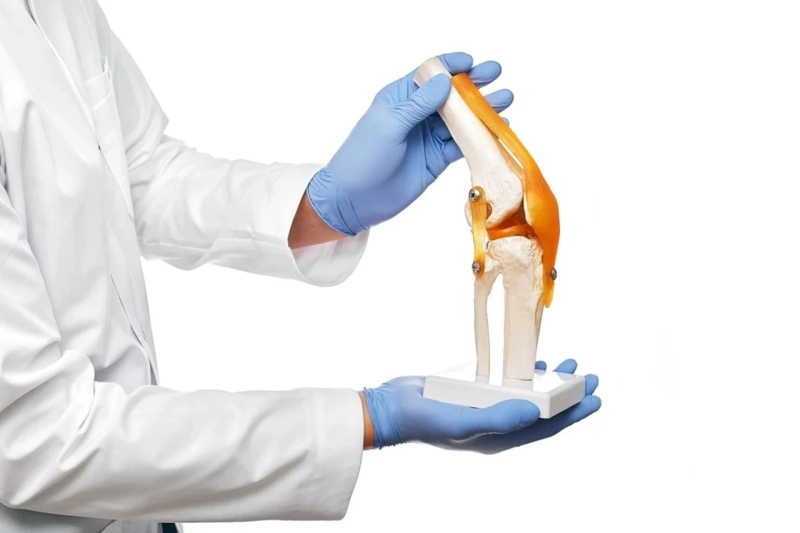
The first few weeks after knee replacement are all about small wins—being able to bend a little more, walk a little further, and trust your leg again. Then comes winter, and suddenly everything feels slower. The mornings are colder, the joints stiffer, and motivation drops a little. It’s something the top knee replacement surgeon in delhi hears often, especially this time of year. The truth is that with a few simple habits, you can keep your recovery moving just as smoothly, even when it’s cold outside.
Why Cold Weather Feels Tough on the Joints ?
When the temperature drops, blood flow naturally slows down, making the muscles tighten and tissues around the joint feel less flexible. For someone recovering from surgery, that stiffness can show up as a dull ache or heaviness, especially first thing in the morning. It doesn’t mean the new joint is affected—it’s simply the body adjusting to the cold.
That’s why the top knee replacement surgeon in delhi usually recommends staying warm and moving often. A little heat around the knee, cozy clothing, or even light indoor movement helps keep stiffness in check.
Movement Makes All the Difference
It’s natural to want to rest more in winter, but healing slows down when movement stops completely. A few gentle stretches, slow walks indoors, or light exercises are enough to keep the new joint from feeling stiff. Doctors at the top orthopedic hospital in delhi ncr often say that short, regular activity helps far more than pushing too hard all at once.
Staying Warm the Right Way
Warmth helps muscles relax and reduces pain. Using a heating pad for a few minutes before exercises can loosen the area, but it’s best to avoid placing it directly over the surgical site. Keeping the room temperature steady, dressing in layers, and using soft knee covers or wraps can also help.
It’s surprising how much comfort small things bring—warm socks, a shawl around the knees, or even sipping warm water through the day. They might sound simple, but together they help keep recovery comfortable through the season.
Moving Indoors, Safely
Delhi winters can mean slippery roads and foggy mornings, making it unsafe for outdoor walks. When you’re recovering from knee surgery, avoiding a fall is crucial. If stepping outside feels too cold or risky, it’s fine to stay active indoors. Walk around the house, stretch a little, or use a stationary cycle if your doctor says it’s okay. Even the small movements can help the knee stay flexible.
The top knee replacement surgeon in Delhi often reminds patients that steady, safe movement is better than rushing. Recovery isn’t a race; it’s about letting your body find its pace.
Cold weather often brings comfort food cravings, and water somehow slips our minds. But your body still needs good nourishment to recover. Try sticking to balanced meals, adding some protein, fresh veggies, and a bit of fruit into your every day meal. Even warm soups count! And yes, keep a bottle of water nearby. A few sips now and then help more than you’d think in keeping the muscles loose and the body healing steadily.
Staying Positive Through Winter
Recovery takes patience, and cold weather can sometimes test it. But every bit of progress matters. Many patients who stay consistent through winter often find that they recover just as quickly as those healing in warmer months.
The top knee replacement surgeon in Delhi always says recovery is as much about mindset as movement. Staying warm, moving a little every day, and checking in with your doctor is usually all it takes to keep things going smoothly through the winter.
How the Team Approaches Winter Recovery ?
At Sant Parmanand Hospital, doctors often remind patients that small habits make the biggest difference when it’s cold. Staying warm, doing a few light stretches, and eating simple, nourishing food help the body heal comfortably. The orthopaedic team, which has some of the top surgeons in Delhi, keeps in touch through the recovery period, making sure patients feel supported long after surgery.
Conclusion
Cold days might test your patience a little, but they don’t stop progress. With warmth, small daily movements, and the right support, recovery keeps going just fine. The body’s strength always shows up when you give it time and care.