



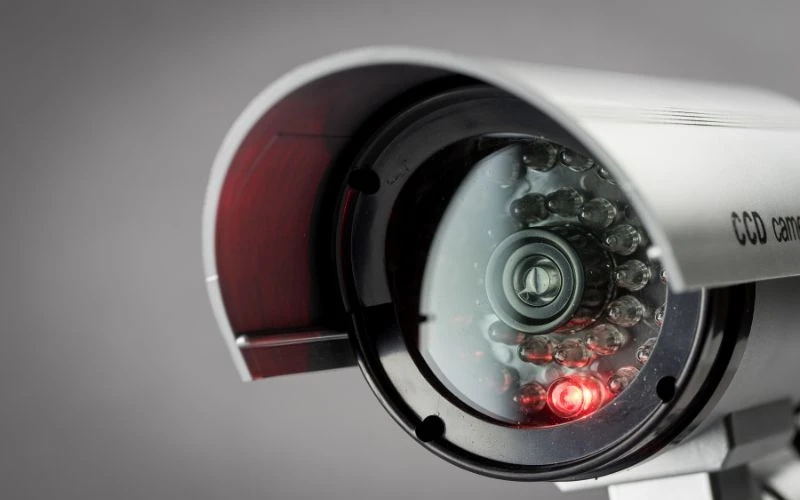
“Trust but verify” has never been more relevant in residential life. Across urban Australia, tensions between neighbours can escalate quickly over noise, property damage, or disputes about shared spaces. Security cameras, once just a deterrent, are now a frontline tool—and a possible source of concrete evidence.
With property disputes on the rise, accurate footage from CCTV installed in Southbank has proven critical in clarifying incidents and resolving conflicts. Yet, not every camera recording is admissible, and understanding legal and practical boundaries is essential before relying on it in disputes.
How Can CCTV Footage Serve in Neighbourhood Conflicts?
CCTV cameras can document events, identify responsible parties, and provide objective timelines. However, the footage must be captured legally and clearly. Recordings are often scrutinised for authenticity, relevance, and compliance with privacy laws.
Key considerations:
- Legal compliance: Cameras must not intrude on areas where neighbours expect privacy.
- Date and time stamps: Footage should have accurate timestamps for credibility.
- Quality and clarity: Blurry or obstructed recordings may be inadmissible.
- Storage and handling: Securely retaining footage prevents tampering claims.
Pros and Cons of Using CCTV as Evidence
Pros
- Objective evidence: Provides factual support in disputes.
- Deterrence: Visible cameras may prevent misconduct before it occurs.
- Peace of mind: Residents feel more secure knowing incidents can be documented.
Cons
- Privacy risks: Cameras capturing neighbours’ private spaces can breach the law.
- Legal complexity: Not all recordings are admissible in court or tribunals.
- Maintenance: Footage must be stored safely and may require professional systems.
Can Footage Be Legally Submitted in Disputes?
Yes, but conditions apply. Courts and tribunals assess footage based on legality, relevance, and whether it was obtained without violating privacy rights. Even when evidence is admissible, residents should avoid using it to harass or intimidate others, as misuse can result in legal consequences.
Professional guidance is recommended, especially in areas where high-definition CCTV installation in Armadale is prevalent and compliance standards are strictly enforced. Experts can advise on camera placement, coverage angles, and data retention practices to maximise both security and legal acceptability.
Practical Steps for Using CCTV as Evidence
- Verify camera placement follows privacy and legal regulations.
- Ensure recordings include accurate timestamps.
- Store footage securely; avoid tampering or deletion.
- Consult legal advice before presenting footage in disputes.
- Limit coverage to areas where consent is implied or given.
FAQ
Can Neighbours Object to Being Recorded?
Yes. Filming shared spaces or private property without consent can breach privacy laws.
Does CCTV Footage Guarantee Legal Success?
No. While it can support claims, admissibility depends on quality, legality, and relevance.
How Long Should Footage Be Retained?
Retain recordings long enough to resolve disputes, but comply with privacy regulations regarding storage duration.
Can Professional Installation Improve Legal Validity?
Yes. Licensed providers ensure camera angles, data security, and compliance with state laws.
Final Thoughts
CCTV cameras can be powerful allies in resolving neighbourhood conflicts—but only when used responsibly. Legal compliance, privacy awareness, and professional guidance are critical. Footage can clarify incidents, deter misconduct, and provide peace of mind, yet misuse or poor setup can create new disputes.
Properly implemented, CCTV is not just a security tool—it is a record of truth in residential life.