


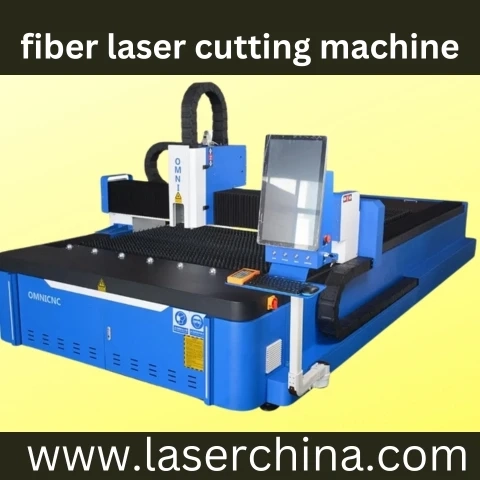
When it comes to high-precision, industrial-level cutting tasks, the fiber laser cutting machine stands at the forefront. But the question often asked is: Can a fiber laser cutting machine handle reflective metals like aluminum, brass, or copper without harming the laser source?
The answer isn't just yes or no—it lies in the science of laser physics, engineering design, and how modern fiber laser systems are manufactured. Let’s unpack this in depth.
Understanding Reflective Metals in Laser Cutting
Reflective metals—especially non-ferrous ones like aluminum and copper—are known for one thing: they bounce back laser energy. This reflectivity becomes a problem in traditional laser systems like CO₂ lasers. The reflected beam can damage sensitive internal optics, cause overheating, or degrade performance over time. But fiber laser cutting machines are built differently.
Why does this matter? Because industries such as aerospace, electronics, and automotive increasingly use lightweight, conductive materials that fall under the “reflective metals” category. That means if a machine cannot handle these without risk, it’s already outdated for most of today’s industrial needs.
How Fiber Laser Cutting Machines Work with Reflective Metals
The core component of a fiber laser cutting machine is its fiber optic delivery system, which channels laser light through fiber cables rather than mirrors or lenses. This design eliminates most of the vulnerability to back-reflection.
Here's how it works in three key stages:
- Laser Generation: A solid-state laser source (usually ytterbium-doped fiber) produces a high-powered beam.
- Beam Transmission: The beam is transmitted through fiber optic cables, which are flexible and enclosed—greatly reducing risk.
- Cutting Execution: A high-speed head with collimating and focusing optics delivers the beam precisely onto the material surface.
The entire process is digitally controlled, and many machines come with back-reflection protection integrated into the laser head and source.
So, when reflective material throws some light back, the system senses it and diverts or blocks it before it damages the core components.
Material Compatibility and Thickness
Fiber laser cutting machines handle a wide variety of reflective metals effectively. Here’s a breakdown:
- Aluminum: Usually cut in thicknesses from 0.5mm to 15mm, depending on the power of the laser (2kW to 12kW).
- Brass: Typically manageable up to 10mm with high stability and clean edge quality.
- Copper: Tricky due to its high conductivity and reflectivity, but modern machines (4kW and above) can handle it up to 6mm or more.
Proper gas selection (often nitrogen or oxygen) further helps maintain a clean cutting area and reduces thermal effects that might lead to reflection.
Safety and Damage Mitigation
Modern fiber laser systems integrate various protection technologies:
- Reflection Detection Modules: These sense when excessive back-reflection occurs and automatically stop the beam or adjust cutting parameters.
- Laser Head Sensors: Built-in sensors in the cutting head monitor beam alignment and feedback signals in real-time.
- Source-Level Protection: Many industrial fiber laser generators have internal circuitry that shields the diodes or modules if reflection levels exceed safe limits.
These features are not just luxury add-ons—they are critical safety infrastructure. Without them, a laser operator would risk component damage, downtime, and costly repairs.
Application Across Industries
The reason fiber laser cutting machines are considered reliable for reflective metals lies not just in theory but in proven industrial use:
- Electronics Industry: Cutting thin copper sheets for circuit boards.
- HVAC and Refrigeration: Aluminum ductwork and casing fabrication.
- Signage and Decorative Panels: Brass and copper finishes with clean edges.
- Electric Vehicles: Cutting aluminum chassis and battery housing components.
Each of these sectors demands tight tolerances, high speed, and zero risk to equipment integrity. Fiber lasers deliver on all fronts—especially with reflective materials.
Machine Power and Configuration
Not all fiber laser cutting machines are created equal. Some lower-powered systems (500W to 1kW) may struggle with thicker reflective materials or slower speeds. In contrast, systems with 6kW or 12kW power and an intelligent cutting head can process reflective metals like a hot knife through butter—without overheating or reflecting damage.
Further, dual-head configurations, auto-focus systems, and smart nesting software allow for better material utilization and minimized scrap. These upgrades are often bundled in modern fiber laser machines, making them adaptable to various work environments.
Cooling and Operational Stability
Cutting reflective metals generates more heat compared to ferrous ones. This is where the fiber laser machine's cooling system comes into play. Most industrial-grade machines include a dual-loop chiller that keeps both the laser source and optics at optimal temperatures. This thermal balance ensures longer lifespan, even under intensive, reflective-material workloads.
Moreover, some manufacturers add real-time thermal monitoring that adjusts laser output to match the reflective index of the material being cut.
Automation and Smart Monitoring
Many fiber laser machines include IoT-connected dashboards, real-time diagnostic tools, and predictive maintenance software. These systems continuously monitor machine health—especially critical when cutting reflective materials.
In automated production lines, fiber lasers can be integrated with robotic arms, conveyor systems, and material storage towers. This integration ensures minimal human intervention—further reducing risk from accidental back-reflection exposure or manual error.
Debunking the Myth: Reflective Metals Damage All Lasers
This myth likely stems from the early days of laser cutting, particularly from CO₂ lasers. With fiber technology, the game has changed. The wavelength of fiber lasers (around 1060nm) interacts differently with metals compared to CO₂ lasers (10,600nm). This allows much better absorption—even for reflective surfaces—especially when the surface is treated or oxidized slightly to improve initial contact.
Surface preparation techniques like coating or roughening are sometimes used to minimize initial reflectivity. However, most high-end fiber lasers don’t require these manual pre-treatments unless extremely thick or polished metals are involved.
Real-World Example
A metal fabrication unit in Germany upgraded from CO₂ to a 6kW fiber laser cutting machine in 2022. Before the switch, they could not process copper components due to frequent lens replacements caused by reflection. Post-upgrade, the team was able to cut both copper and aluminum efficiently and saw a 25% increase in throughput with zero downtime due to optical damage. The investment returned itself in less than 8 months.
This is not a rare story—it’s becoming a norm across industries adopting fiber laser tech.
Final Thoughts
So, can a fiber laser cutting machine cut reflective metals without damaging itself?
Absolutely—if the machine is modern, well-configured, and comes with protective features engineered for that very purpose. The technology has evolved, and fiber lasers are now among the most versatile tools in any industrial setting, capable of handling complex materials like aluminum, brass, and copper with unmatched precision.
Whether you’re operating a small fabrication shop or managing an industrial production line, the question is no longer can a fiber laser handle reflective metals—but rather, how much more can you do once you add this machine to your workflow.