


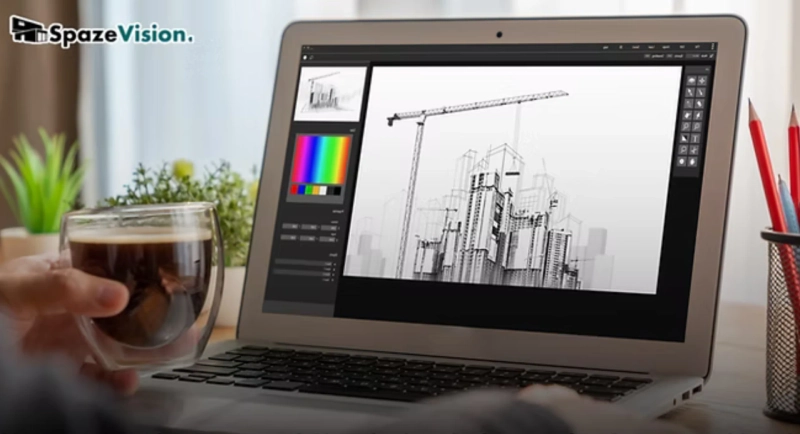
In today’s fast-changing construction and architectural landscape, technology plays a vital role in turning concepts into reality. Gone are the days of manual drafting and isolated workflows the industry now relies on advanced CAD design services, Building Information Modeling (BIM), and Architectural BIM services to enhance collaboration, efficiency, and accuracy. Governments are increasingly mandating the use of BIM for public sector projects due to its efficiency and effectiveness.
3D modeling tools like Revit and Navisworks facilitate real-time collaboration among project teams, reduce errors through better visualization, and streamline change management in architecture projects. A construction document serves as a detailed, construction-ready model that bridges the gap between design and the physical building, including shop drawings, detailed specifications, and assembled models with accurate shape, size, and installation details to facilitate the transition from design to construction. BIM software like Navisworks and Autodesk Revit ensures MEPF clash detection between various systems before construction begins.
These digital tools are reshaping how architects, engineers, and contractors plan, design, and execute projects ensuring that buildings are smarter, sustainable, and more cost-effective. Using 3D modeling in construction projects improves visualization and planning, impacting cost control positively. Additionally, 3D modeling allows stakeholders to visualize the final product before construction begins, fostering better understanding and alignment among all parties. CAD and BIM tools also enable detailed analysis and integration of surrounding structures, such as existing buildings, landscapes, driveways, and other property features, which improves design accuracy and project planning.
1. Understanding CAD Design Services
CAD design services (Computer-Aided Design) form the backbone of modern architecture and engineering. These services involve using advanced software to create detailed 2D and 3D drawings that represent every aspect of a building from the layout and structure to electrical and plumbing systems. 2D drafting involves creating two-dimensional technical drawings, floor plans, sections, and elevations. 2D CAD focuses on creating flat, technical drawings used for traditional blueprints and schematics.
CAD design helps architects and engineers develop precise plans, identify design issues early, and collaborate seamlessly with project stakeholders. Effective communication is essential to avoid errors and delays in CAD design projects. CAD is especially valuable Dur decisions andtic design phase, where it is used to develop and refine initial concepts, establish foundational design decisions, and prepare for subsequent design stages. Architectural CAD design services provide accurate and detailed floor plans, sections, and elevations. To select appropriate CAD design services, define project needs and evaluate potential providers based on expertise and capabilities. Choosing a CAD design service also requires assessing industry-specific knowledge and a proven track record in similar projects to ensure the best outcomes.
Benefits of CAD Design Services
- Precision and Accuracy: CAD tools minimize errors in design and drafting.
- Faster Revisions: Design updates can be made quickly and shared in real time.
- Better Collaboration: Teams can work together efficiently using cloud-based CAD platforms.
- Cost and Time Savings: Accurate plans mean fewer reworks and delays.
- Versatile Modeling: 3D CAD includes solid modeling, surface modeling, wireframe modeling, parametric modeling, and direct modeling, offering a range of options to suit diverse project needs. Architectural CAD design includes creating parametric models which allow modifications without starting from scratch.
- Simulation and Analysis: CAE tests design under various real-world conditions to predict performance and identify faults.
Whether you’re designing residential homes, commercial spaces, or industrial facilities, CAD design ensures every detail is planned before construction begins.
2. What Is Building Information Modeling (BIM)?
Building Information Modeling (BIM) goes beyond simple 2D drawings. It creates a digital representation of a building’s physical and functional characteristics, enabling all project participants to collaborate throughout the project lifecycle from design and construction to maintenance and operation. A building information model is a detailed digital representation that supports all project phases, facilitating interoperability and informed decision-making. Specifying deliverables includes determining required outputs like technical drawings or 3D models in specific formats.
Unlike traditional CAD, which focuses primarily on geometry, BIM includes data and intelligence. It integrates architectural, structural, and MEP (Mechanical, Electrical, and Plumbing) systems into one intelligent 3D model. The bim process is a systematic workflow that supports decision-making and coordination throughout the project lifecycle, enhancing efficiency and collaboration.
Key Advantages of Building Information Modeling
- Enhanced Collaboration: Architects, engineers, and contractors work on a shared model.
- Clash Detection: BIM automatically identifies design conflicts between systems.
- Cost Efficiency: Reduces material waste and project rework.
- Lifecycle Management: The model remains useful even after construction for maintenance and upgrades. Cost management in construction projects can be improved by using accurate take-offs and material specifications.
BIM has become an essential part of the digital transformation in construction, driving smarter design decisions and sustainable building practices.
3. BIM Modeling Services: The Heart of Digital Construction
BIM modeling services involve creating and managing digital models that include detailed design and construction data. These models provide an integrated view of every component of a building wall, beams, HVAC systems, lighting, and even furniture. BIM architectural modeling services deliver detailed, constructability-verified models across all project phases, including design, development, and construction documentation.
With BIM modeling, teams can visualize the entire structure, simulate performance, and analyze potential risks before breaking ground.
Applications of BIM Modeling Services
- Conceptual and Detailed Design Development
- Clash Detection and Coordination
- 4D and 5D Modeling (Time and Cost Simulation)
- Facility Management and Operations
Why Companies Use BIM Modeling Services
- Improved Efficiency: Fewer errors during design and construction.
- Better Communication: Real-time collaboration across disciplines.
- Data-Driven Decision Making: Access to accurate, up-to-date project data.
- Sustainability: Enables simulation of energy performance and resource usage.
By outsourcing BIM modeling services, firms gain access to specialized expertise and software, reducing costs and improving quality. An experienced team ensures high-quality BIM deliverables and effective project coordination.
4. Architectural BIM Services: Where Design Meets Intelligence
Architectural BIM services take the traditional design process to the next level. They integrate the creative aspects of architectural design with the technical precision of BIM, creating models that are both visually stunning and technically accurate. Architectural BIM services also ensure that the design intent is maintained throughout all project phases, so the original concept and specifications are preserved from start to finish. The architecture, engineering, and construction (AEC) sector incurs significant costs due to poor collaboration, which BIM aims to improve by fostering better integration and communication among all stakeholders.
These services help architects visualize spaces, coordinate with other disciplines, and ensure compliance with construction standards.
Scope of Architectural BIM Services
- 3D architectural modeling
- Design visualization and rendering
- Construction documentation
- BIM coordination with structural and MEP teams
- Renovation and remodeling BIM support
- Rendering and visualization services produce photorealistic images, animations, and virtual reality walk-throughs.
Benefits of Architectural BIM Services
- Enhanced Visualization: Realistic 3D models that bring designs to life.
- Accurate Documentation: Automatically generated plans, sections, and elevations.
- Reduced Rework: Early detection of design conflicts.
- Improved Project Delivery: Streamlined collaboration leads to faster completion.
Architectural BIM is not just about digital modeling it’s about creating intelligent designs that adapt to real-world needs.
5. How CAD and BIM Work Together
While CAD design services and Building Information Modeling serve different purposes, they complement each other perfectly in modern construction.
- CAD is ideal for 2D drafting and detailing tasks creating technical drawings, layouts, and blueprints.
- BIM adds intelligence, enabling real-time collaboration and integration of all project data.
In practice, CAD designs often serve as the foundation for BIM models. Once converted, BIM enhances the data richness and usability of those drawings, ensuring more efficient construction workflows.
This integrated approach improves project outcomes, enhances coordination, and reduces overall costs. It results in a construction-ready model that incorporates all design modifications and is suitable for direct implementation on site.
6. Industries That Benefit from CAD and BIM Services
These services are widely used across several industries, including:
- Architecture & Design Firms
- Engineering Consultancies
- Construction Companies
- Real Estate Developers
- Infrastructure and Urban Planning Organizations
By adopting CAD and BIM modeling services, these industries achieve better visualization, improved accuracy, and smarter decision-making throughout every project phase.
Understanding the BIM Process
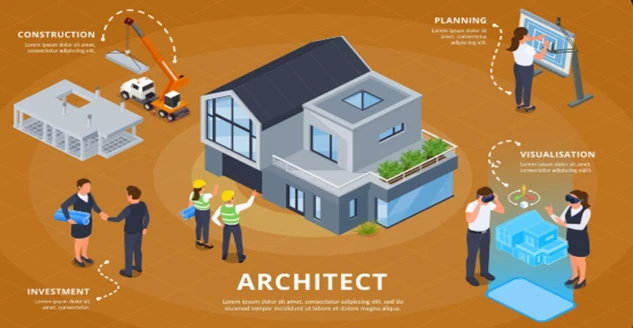
Understanding the BIM process is fundamental to unlocking the full potential of Building Information Modeling (BIM) in today’s construction projects. At its core, the BIM process involves the systematic creation and management of digital representations that capture both the physical and functional characteristics of a building or infrastructure asset. This approach transforms traditional workflows by enabling project teams, including architects, engineers, contractors, and facility managers to collaborate seamlessly throughout the project lifecycle.
Architectural BIM services and BIM modeling play a pivotal role in this process, providing highly accurate and detailed digital models that serve as the foundation for design, construction, and ongoing facility management. By leveraging advanced BIM software and modeling services, teams can coordinate more effectively, share information in real time, and make informed decisions that drive cost control and project management excellence.
The BIM process supports better coordination among all stakeholders, ensuring that every aspect of the project aligns with client objectives and project requirements. Information modeling within BIM allows for the integration of architectural modeling, structural systems, and MEP components into a unified digital environment. This not only streamlines the design and construction phases but also enhances the operational efficiency of the finished building.
For facility managers, the BIM process provides a comprehensive digital resource that supports maintenance, asset tracking, and future upgrades. Ultimately, building information modeling BIM empowers the construction industry to deliver smarter, more sustainable buildings by fostering collaboration, reducing errors, and optimizing every stage of the building process.
Utilizing BIM Software and Tools
The effective use of BIM software and tools is a game-changer for construction projects, enabling projects to achieve higher levels of accuracy, efficiency, and collaboration. Leading BIM software platforms, such as Autodesk Revit, allow for the creation of detailed digital models that encompass every aspect of a building’s design and construction. These digital models serve as a central hub for information, making it easier for construction teams to coordinate tasks, share updates, and manage project data.
BIM tools are essential for critical functions like clash detection, which identifies and resolves conflicts between building systems before construction begins, and cost estimation, which provides accurate forecasts to keep projects on budget. Integrating CAD drafting services and CAD services with BIM software further enhances the design and documentation phases, ensuring that all technical drawings and construction documentation are precise and up to date.
By utilizing BIM software, project teams can deliver projects faster, meet client objectives, and ensure compliance with industry standards and regulatory requirements. The ability to collaborate in real time, supported by robust BIM tools, leads to fewer errors, reduced rework, and a smoother construction process from start to finish. Ultimately, leveraging BIM software and tools empowers construction teams to optimize workflows, improve project outcomes, and stay competitive in a rapidly evolving industry.
3D BIM Modeling: Elevating Project Visualization and Coordination
3D BIM modeling stands at the forefront of architectural BIM services, transforming how construction projects are visualized, coordinated, and executed. By developing highly detailed, information-rich 3D models, project teams including architects, engineers, and contractors can collaborate more effectively throughout the project lifecycle. These digital representations of the physical building provide a shared platform for all stakeholders, ensuring that everyone is aligned from the earliest design stages through to construction and facility management.
With 3D BIM modeling, construction teams can identify and resolve potential issues before construction begins, minimizing costly errors and delays. The ability to visualize every aspect of the building process in three dimensions fosters better coordination, allowing for seamless integration of architectural, structural, and MEP systems. This proactive approach not only streamlines the building process but also supports efficient decision-making and communication among all project teams.
Beyond the construction phase, 3D BIM models continue to deliver value by supporting facility management. Facilities managers can access comprehensive information about building systems, components, and maintenance requirements, enabling more effective operations and long-term asset management. By leveraging advanced BIM services and modeling, organizations can ensure that their construction projects are delivered on time, within budget, and with a clear path to ongoing facility optimization.
Benefits of 3D BIM in Modern Construction
The adoption of 3D BIM modeling services brings a host of benefits to modern construction projects, driving efficiency, quality, and cost savings across every stage. By utilizing advanced BIM modeling, project teams can create highly accurate BIM models that enable detailed analysis and optimization of building systems, including complex MEP systems. This level of insight reduces the risk of design errors, enhances overall building performance, and supports better coordination among all stakeholders.
One of the most significant advantages of 3D BIM is its impact on cost control. With precise digital models, construction teams can plan and manage resources more effectively, reducing waste and minimizing the need for costly rework. Inventory management is also streamlined, as BIM models provide real-time data on materials and equipment, helping teams track usage and maintain optimal stock levels throughout the construction process.
3D BIM modeling services empower construction teams to deliver projects faster by facilitating efficient collaboration and clear communication. Facilities managers benefit from easy access to critical building information, supporting proactive maintenance and long-term asset management. By aligning project teams around shared client objectives and ensuring compliance with regulatory standards, 3D BIM helps construction companies achieve superior project outcomes.
Ultimately, 3D BIM modeling is a powerful tool that enables construction teams to work smarter, deliver higher-quality results, and stay competitive in an increasing digital construction industry.
Creating As Built Drawings
Creating as-built drawings is a vital step in the construction process, providing an accurate and comprehensive record of the final building configuration. As-built drawings document every change or modification made during construction, ensuring that the completed structure is faithfully represented for future reference. BIM modeling services are instrumental in this process, utilizing advanced modeling services and pointing cloud scan data to generate precise digital models of the finished building.
These digital models can be used to produce as-built drawings, shop drawings, and other essential construction documentation, serving as a shared knowledge resource for construction teams, facility managers, and other stakeholders. Accurate as-built drawings are invaluable for facility management, supporting operations, maintenance, and inventory management throughout the building’s lifecycle. They also play a crucial role in retrofit projects, providing a reliable foundation for upgrades, renovations, or expansions.
By leveraging BIM modeling services to create as-built drawings, construction teams can ensure that every detail of the building is documented and accessible. Reverse engineering creates a 3D model from an existing physical part for analysis or recreation. This not only facilitates efficient facility management but also supports ongoing asset management and operational excellence. As-built drawings help facility managers anticipate maintenance needs, optimize building performance, and make informed decisions about future improvements, ensuring the long-term value and sustainability of the built environment.
7. Construction and Facility Management with BIM
Construction and facility management represent pivotal stages in the project lifecycle where Building Information Modeling (BIM) truly demonstrates its value. By leveraging advanced BIM modeling services, project teams can create comprehensive, data-rich BIM models that foster efficient collaboration and ensure every stakeholder is aligned from the outset. Utilizing BIM software, construction teams streamline construction documentation, minimize errors, and maintain tight cost control throughout the construction project.
Effective BIM coordination is essential for integrating all building systems architectural, structural, and MEP systems into a unified, clash-free model. A well-defined BIM execution plan outlines the scope, timeline, and responsibilities for each team member, ensuring that project specifications and client objectives are consistently met. Architectural BIM services, particularly those utilizing Revit architectural models, empower architects to develop detailed, accurate designs that support seamless design development and construction readiness.
During the construction phase, BIM models act as a shared knowledge resource, providing real-time access to project information for all project teams. This enables efficient collaboration, allowing teams to identify and resolve potential issues before construction begins, ultimately delivering projects faster and with fewer costly delays. Scan to BIM technology further enhances this process by generating precise as-built drawings, which are invaluable for facility management and retrofit projects.
For facility managers, BIM data unlocks new levels of efficiency in inventory management, cost estimation, and ongoing asset information tracking. Digital representations of buildings allow facilities managers to simulate construction progress, anticipate maintenance needs, and optimize building systems performance. By adopting BIM modeling services, the construction industry can achieve significant cost savings, improve project cost control, and enhance overall quality.
BIM also facilitates better coordination among architects, structural engineers, civil engineers, and MEP systems experts, ensuring that all aspects of the building process are integrated and compliant with regulatory standards. Tools like Autodesk Revit are widely used for architectural modeling, design development, and construction documentation, supporting the digital transformation of the construction industry.
The National Institute of Building Sciences recognizes the substantial benefits of BIM in improving construction project outcomes. Experienced teams that embrace BIM services consistently deliver high-quality projects on time and within budget. With the ability to access BIM models on mobile devices, project teams can collaborate and make informed decisions from anywhere, further enhancing project management and execution.
As the construction industry continues its digital transformation, BIM is set to play an even greater role in shaping the future of building design, construction, and facility management. By leveraging BIM modeling, construction companies can ensure compliance, optimize asset information, and deliver smarter, more sustainable buildings for the future.
8. Why Outsource BIM and CAD Design Services
Many businesses are choosing to outsource their CAD design and BIM modeling services to specialized firms for several reasons: A good partner in CAD design acts as an innovative problem-solver rather than just an order-taker.
- Access to Experts: Skilled professionals with domain knowledge.
- Advanced Software Tools: Use of platforms like AutoCAD, Revit, Navisworks, and ArchiCAD.
- Scalability and Flexibility: Services can accommodate fluctuating project demands without compromising quality or timelines.
- Cost Savings: Reduce in-house team and training expenses.
- Access to Experts: Skilled professionals with domain knowledge.
- Advanced Software Tools: Use of platforms like AutoCAD, Revit, Navisworks, and ArchiCAD.
- Scalability: Easily manage projects of any size and complexity.
- Cost Savings: Reduce in-house team and training expenses.
Outsourcing also provides scalability and flexibility in services, allowing businesses to accommodate fluctuating project demands without compromising quality or timelines.
- Access to Experts: Skilled professionals with domain knowledge.
- Advanced Software Tools: Use of platforms like AutoCAD, Revit, Navisworks, and ArchiCAD.
- Scalability: Easily manage projects of any size and complexity.
- Cost Savings: Reduce in-house team and training expenses.
Outsourcing ensures high-quality deliverables within tight deadlines while allowing your team to focus on creative design and client engagement. It also ensures seamless collaboration among the entire project team, from designers to contractors.
9. The Future of CAD and BIM in Construction
The future of design and construction lies in digital integration. AI, cloud computing, and virtual reality are transforming how BIM modeling services and CAD design services are delivered.
- AI-driven BIM models will automate clash detection and cost forecasting.
- Cloud collaboration will allow teams worldwide to work on the same project in real time.
- Virtual and Augmented Reality will provide immersive design experiences for clients.
As sustainability becomes a global priority, BIM will also play a major role in analyzing energy performance and reducing carbon footprints. Future advancements in BIM will further support operations, maintenance, and asset management throughout a building's lifecycle.

Frequently Asked Questions (FAQs)
1. What are CAD design services used for?
CAD design services are used to create detailed 2D and 3D drawings of buildings and structures. They ensure precision in design and help engineers and architects plan projects efficiently.
CAD design services ensure all drawings and models meet the specific project requirements for accuracy and scope.
2. What is the main purpose of Building Information Modeling (BIM)?
BIM provides a shared digital model (BIM model) that integrates design, construction, and maintenance data. It improves collaboration, reduces errors, and supports efficient project management throughout the building lifecycle.
3. How do BIM modeling services benefit construction projects?
BIM modeling services enhance project coordination, enable clash detection, and allow teams to simulate costs, timelines, and performance. These services also enable detailed cost analysis for better budget planning resulting in faster, more cost-effective, and sustainable construction.
4. What is the difference between CAD design and Architectural BIM services?
CAD design focuses on technical drawings and detailing, while Architectural BIM services create intelligent 3D models that include design, structural, and MEP data for end-to-end project management. These BIM services also generate comprehensive information models that support collaboration and data management throughout the building lifecycle.
5. Why should companies outsource BIM and CAD services?
Outsourcing helps businesses save time and money while ensuring access to expert designers, advanced technology, and accurate deliverables that meet global quality standards.
Final Thoughts
The combination of CAD design services, Building Information Modeling, BIM modeling services, and Architectural BIM services represents the future of the global construction industry.
These technologies streamline design workflows, foster collaboration, and deliver smarter, more sustainable buildings. Whether you’re an architect, engineer, or builder, adopting these digital tools will help you stay competitive and innovative in the evolving world of construction.
Building information models, point cloud scan data, construction documents, and shop drawings all work together to bridge the gap between digital design and physical building, ensuring accuracy and efficiency throughout the construction process.