


In any industry where people care for others, handle equipment, or work in active environments, safety and skill go hand in hand. Investing in manual handling courses, health care courses, and first aid training courses is not just about meeting compliance standards — it’s about protecting people, improving confidence, and creating safer workplaces.
Whether you’re in the health sector, hospitality, education, or industry, quality training ensures staff are prepared to manage risks and respond effectively when challenges arise.
Understanding Manual Handling Courses
Manual handling is one of the most common causes of workplace injuries across the UK and Ireland. Lifting, pushing, or carrying loads incorrectly can lead to back pain, sprains, and long-term musculoskeletal disorders.
A manual handling course provides essential techniques for moving objects safely. Participants learn how to:
- Assess the load and environment before lifting
- Use correct body posture and lifting methods
- Work with equipment such as trolleys or hoists
- Recognise when mechanical assistance or teamwork is required
These courses are especially important in health and social care settings, where staff frequently move patients or heavy medical supplies. For employers, ensuring every employee completes a certified manual handling course reduces accidents, absenteeism, and liability.
The Role of Health Care Courses in Professional Development
The healthcare sector is both rewarding and demanding. Workers must balance compassion with technical skill and a strong understanding of safety procedures. Health care courses equip individuals with these capabilities, from entry-level support roles to advanced clinical training.
Typical modules might include:
- Infection prevention and control
- Communication and patient care
- Nutrition, hygiene, and mobility support
- Health and safety compliance
- Ethical and legal considerations in care
Completing structured health care courses not only builds competence but also improves employability. For care providers, continuous professional development (CPD) is a regulatory requirement — and a mark of quality care.
High-quality training ensures staff can deliver safe, person-centred care while maintaining their own wellbeing and protecting the dignity of those they support.
Why First Aid Training Courses Matter
Emergencies happen without warning — a sudden collapse, a choking incident, or a workplace injury. Having staff trained in first aid can make a critical difference between a full recovery and a tragic outcome.
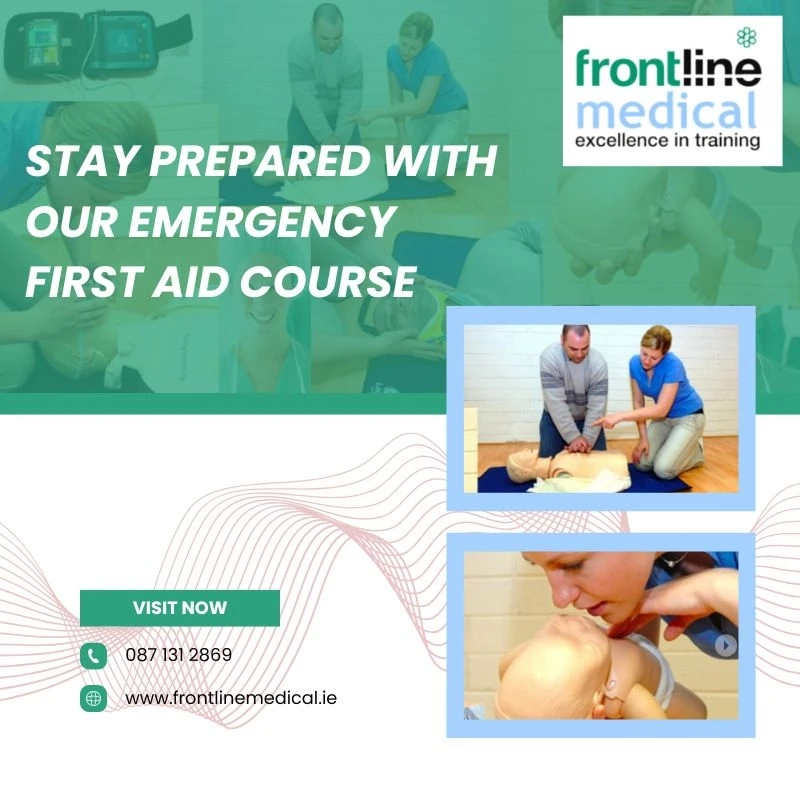
First aid training courses teach participants to:
- Assess an emergency situation quickly and safely
- Perform CPR (cardiopulmonary resuscitation)
- Use an automated external defibrillator (AED)
- Manage bleeding, burns, fractures, and shock
- Provide immediate support until medical help arrives
These courses are practical, hands-on, and suitable for everyone — from health care professionals to office staff, teachers, and industrial workers. Many employers now ensure at least one trained first aider is present on every shift.
The benefits go beyond compliance. Staff trained in first aid develop calmness under pressure, teamwork skills, and confidence — qualities valuable in every workplace.
Creating a Culture of Safety and Responsibility
Training isn’t simply a box-ticking exercise. It forms the backbone of a responsible and resilient organisation. When employees understand correct manual handling techniques, have up-to-date first aid skills, and complete regular health care courses, the whole team benefits:
- Reduced risk of workplace injuries and accidents
- Improved morale through a safer, more supportive environment
- Better performance as employees feel confident in their abilities
- Lower costs due to fewer compensation claims and absences
In sectors like healthcare, construction, or manufacturing, these programmes can also strengthen an organisation’s reputation for professionalism and duty of care.
Choosing the Right Training Provider
Selecting a trusted training provider ensures your staff receive relevant, accredited instruction. When comparing options, consider:
- Accreditation: Are the manual handling courses or first aid training courses certified by recognised bodies (such as QQI, PHECC, or HSA in Ireland)?
- Practical delivery: Does the course include demonstrations and real-world practice?
- Customisation: Can it be tailored to your specific workplace or sector?
- Experience: How long has the provider been offering health care courses or safety training?
- Support materials: Are online resources or refresher modules available?
A good provider will also guide employers on meeting compliance obligations under the Safety, Health and Welfare at Work Act and related regulations.
Continuous Learning for a Safer Future
Training is not a one-time task. Regular refresher sessions keep knowledge current, especially as best practices and legislation evolve. Staff turnover or role changes can leave skill gaps that increase risk — so scheduling ongoing education is essential.
Employers who prioritise professional development demonstrate commitment not only to safety but also to staff growth. This, in turn, improves retention and attracts motivated new talent.
Final Thoughts
Whether you manage a healthcare facility, oversee a construction crew, or lead a small business, safety training should never be overlooked.
Investing in a manual handling course, enrolling staff in health care courses, and maintaining regular first aid training courses builds competence, confidence, and care. Each course contributes to a safer, more efficient workplace — one where employees and clients alike are protected and valued.
For organisations aiming to raise standards, professional training isn’t just an obligation — it’s an opportunity to make a lasting difference.