



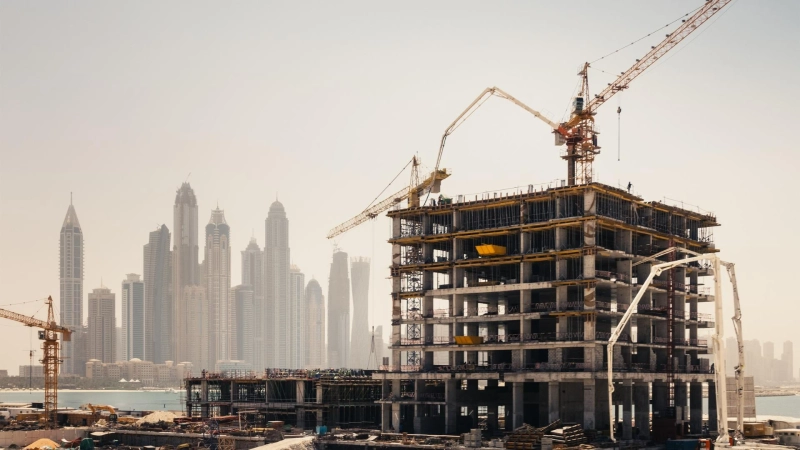
Dubai is synonymous with architectural marvels. From the piercing height of the Burj Khalifa to the intricate designs of the Museum of the Future, the city is a living portfolio of what happens when ambitious vision meets engineering excellence. However, for developers, homeowners, and investors, the reality behind these structures is a complex web of regulations, permits, and rigorous safety standards. Bringing a project to life in this emirate requires more than just capital and a plot of land; it demands a deep understanding of the local regulatory framework.
At Integra, we understand that the construction journey can feel overwhelming. Between securing non-objection certificates (NOCs), ensuring structural integrity, and adhering to green building codes, the administrative workload is heavy. Success relies on partnering with experts who not only understand the technical requirements but also have established relationships with the governing bodies. This guide explores the essential steps of the construction process in Dubai and how professional consultancy bridges the gap between a blueprint and a finished building.
Finding the Right Authority Support
For many first-time developers or homeowners undertaking renovations, the initial instinct is to handle the administrative tasks personally. You might find yourself searching for dubai municipality near me in hopes of walking into a service center to get a quick signature or clarification on a zoning law. While centers like Al Manara, Al Kifaf, or Al Twar are accessible and helpful, the reality of modern construction in Dubai is that physical visits are rarely the most efficient route. The Dubai Municipality has migrated the vast majority of its approval processes to sophisticated digital portals like the Dubai Building Permit System (BPS). While knowing the location of the municipality is useful, having a consultant like Integra who is already registered and familiar with these digital submissions is far more valuable. We navigate the portal complexities on your behalf, ensuring that your time is spent on your project vision rather than waiting in queues or troubleshooting login errors.
The Pillars of Dubai Construction Regulation
To build successfully, one must respect the rigorous standards set by the authorities. Dubai does not compromise on safety or aesthetics. The regulatory framework is designed to ensure that every structure, from a residential villa to a high-rise commercial tower, contributes positively to the city’s infrastructure.
The Dubai Building Code
Recent years have seen the unification of various regulations into the Dubai Building Code. This comprehensive document outlines the minimum requirements for the design and construction of buildings. It covers everything from structural design and accessibility to fire safety and indoor environmental quality.
Navigating this code is not optional. A failure to comply with even a minor subsection can lead to rejected permits, costly delays, and required redesigns. At Integra, our team stays updated on every amendment to the code, ensuring that our designs are compliant from the very first sketch.
The Role of NOCs (No Objection Certificates)
Before a shovel hits the ground, a developer must obtain a series of No Objection Certificates. These documents prove that your proposed construction will not interfere with existing infrastructure. This phase often catches inexperienced builders off guard because of the sheer number of stakeholders involved.
You will likely need approvals from entities such as:
- DEWA (Dubai Electricity and Water Authority): To ensure power and water connection feasibility.
- RTA (Roads and Transport Authority): To verify that your project doesn't negatively impact traffic flow or road access.
- Etisalat / Du: For telecommunications infrastructure.
- Dubai Civil Defence: For fire and life safety compliance.
Coordinating these approvals requires a project manager who understands the sequence in which they must be obtained. A delay in one NOC can stall the entire permitting process.
The Design Phase: Balancing Aesthetics and Function
Once the regulatory landscape is understood, the focus shifts to the actual design. This is where the vision begins to take shape, but it is also where the technical constraints become visible.
Architectural Concept vs. Structural Reality
Every great building starts with an architectural concept. However, a beautiful drawing is useless if it cannot stand up. This is where the synergy between architects and civil engineers becomes critical. The architect focuses on the spatial flow, the facade, and the user experience. The engineer focuses on the skeleton—the beams, columns, and foundations that hold it all together.
In Dubai, where soil conditions can vary and wind loads on high structures are significant, the structural design is scrutinized heavily during the approval process. The challenge lies in maintaining the aesthetic integrity of the architectural concept while ensuring the building is robust and safe.
Sustainable Development and Al Sa'fat
Sustainability is no longer a buzzword in Dubai; it is a mandate. The Al Sa'fat – Dubai Green Building System enforces strict regulations regarding energy efficiency, water usage, and waste management.
The system is tiered, with higher tiers representing more advanced sustainability features. Even the basic tier requires specific insulation materials, efficient glazing, and water-saving fixtures. Integrating these elements requires foresight during the design phase. Retrofitting a design to meet Green Building standards is expensive and inefficient. Integra incorporates these sustainability metrics early in the planning process, saving clients money on operational costs and ensuring smooth approvals.
Common Pitfalls in the Approval Process
Despite the clear guidelines provided by the Dubai Municipality, rejections happen. Understanding why permits get rejected is the first step to avoiding them.
Incomplete Documentation
The most common reason for a delay is simply missing paperwork. The submission requirements are exhaustive. If a soil report is outdated or a specific calculation sheet is missing from the structural file, the system will flag the submission, sending the applicant to the back of the line.
Zoning Violations
Every plot of land in Dubai has a specific "affection plan" that dictates land use, setbacks, and maximum height. Designing a structure that exceeds the allowed built-up area (FAR) or encroaches on setbacks will result in immediate rejection.
Mismatching Drawings
Approvals require a set of coordinated drawings: architectural, structural, and MEP (Mechanical, Electrical, and Plumbing). If the architectural plans show a window where the structural plans show a column, the Municipality will reject the application. Coordination between these disciplines is vital.
The Importance of Professional Engineering
While the aesthetic appeal of a building captures the eye, its longevity and safety are determined by the quality of the engineering beneath the surface. This brings us to the core of technical compliance.
When we discuss Civil engineering design uae regulations, we are talking about some of the most stringent safety standards in the world. The unique geography of the UAE, which involves sandy soil profiles and high water tables in certain areas, demands specialized foundation design. Furthermore, the region is classified under specific seismic zones, meaning buildings must be designed to withstand potential tremors. A qualified engineering firm does not just draw lines on a CAD file; they perform complex load calculations, stress tests, and soil interaction analyses. At Integra, our engineering division ensures that every beam and foundation pile is calculated to withstand environmental stressors, ensuring that your investment stands the test of time while meeting the exact criteria of UAE regulatory bodies.
Turning Your Vision into Reality
Building in Dubai is a rewarding investment, but it is not a journey to be taken lightly. The path from concept to completion is paved with technical requirements and administrative checkpoints. The difference between a stalled project and a successful launch often comes down to the quality of the team you assemble.
At Integra, we pride ourselves on being more than just consultants; we are strategic partners in your development. By combining deep local knowledge of Dubai Municipality procedures with world-class engineering expertise, we streamline the construction process. We handle the bureaucracy, the technical calculations, and the compliance checks, allowing you to focus on the future of your property. Whether you are building a commercial hub or a dream home, ensure your foundation is built on expertise.