



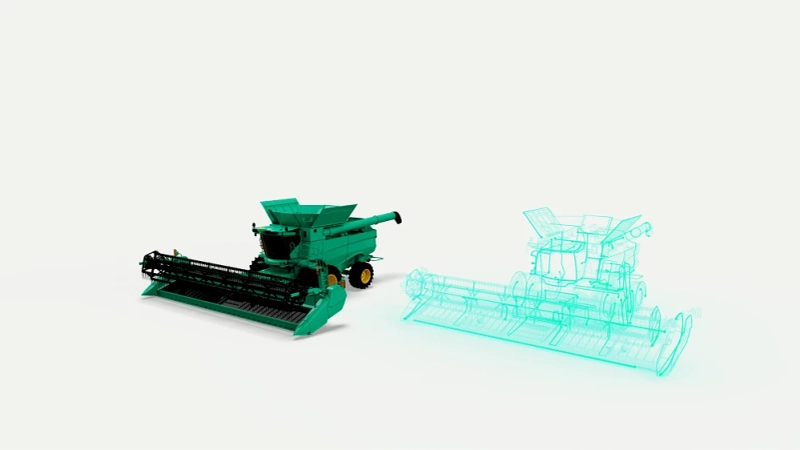
The concept of the digital twin is revolutionizing industries by bridging the gap between the physical and digital worlds. A digital twin is a virtual replica of a physical asset, process, or system, continuously updated with real-world data to mirror its real-life counterpart. This dynamic representation unlocks valuable insights, predictive capabilities, and the ability to optimize operations in a virtual environment before committing to real-world changes.
Siemens Digital Industries Software offers a robust suite of tools to support digital twin creation and implementation. Let\'s delve into the critical elements and strategies for a successful digital twin project.
Key Considerations and Steps
Define Your Goals and Scope: Before embarking on your digital twin journey, clearly articulate what you hope to achieve. Are you aiming to optimize production efficiency, improve product design, enhance maintenance strategies, or achieve another business objective? The scope of your digital twin will depend directly on your use case.
Data is King: Your digital twin is only as valuable as the data it uses. Identify relevant data sources (sensors, IoT devices, PLM systems, etc.) and ensure you have a plan for data collection, cleansing, and integration into the digital model.
Select the Right Siemens Tools: Siemens offers a comprehensive set of tools to build digital twins:
- Product Lifecycle Management (PLM): Teamcenter serves as the backbone, managing product and process data throughout the lifecycle.
- Computer-Aided Design (CAD): NX, Solid Edge, and other tools provide detailed 3D models of physical assets.
- Simulation: Simcenter 3D, Tecnomatix Plant Simulate, Tecnomatix Process Simulate, and other simulators predict performance, optimize processes, and test scenarios virtually.
- MindSphere: Siemens\' cloud-based IoT platform enables real-time data collection and analytics.
Constructing the Model: This is where the virtual representation takes shape. The complexity of your digital twin will vary depending on your use case. Key considerations include:
- Level of Fidelity: How detailed does the simulation need to be to achieve your goals?
- Physics-based vs. Data-driven: Use physics-based models for high-fidelity simulations or data-driven models where historical data drives predictions. Siemens tools often allow for a hybrid approach.
Connect Real-World Data: Integrate your digital twin with sensors, IoT devices, and other real-world data sources to ensure continuous, real-time mirroring. This closed-loop approach is essential for the digital twin to become a powerful decision-making tool.
Analysis and Visualization: Use Siemens\' powerful analytics and visualization capabilities to extract insights from your digital twin. Identify trends, predict potential failures, and visualize scenarios to help inform real-world optimization or changes.
Best Practices
- Start Small, Scale Iteratively: Begin with a specific and focused use case and expand your digital twin\'s scope over time.
- Involve Cross-Functional Teams: Break down silos by collaborating across engineering, manufacturing, IT, and operations for a successful implementation.
- Security: Protect your digital twin by addressing cybersecurity concerns throughout the development and usage stages.
- Change Management: Successful digital twin integration often requires a cultural shift within your organization.
To Summarize
Building a digital twin is a transformative endeavor. By leveraging Siemens\' tools and following best practices, you unlock unprecedented opportunities to predict, optimize, and innovate in ways that were previously impossible.