




Marketing budgets in 2026 can’t be planned the old way, even for brands using professional digital marketing services. It’s no longer just “media + tools + headcount.” AI has become a core part of how campaigns are researched, created, optimized, and reported—yet it doesn’t replace humans. It amplifies them.
The challenge for CMOs and marketing leaders working with a digital marketing agency now is simple: How do you design a budget that funds both powerful AI tools and the strategic humans who know how to use them?
Here’s a practical way to think about your 2026 marketing budget for a hybrid human + machine world, whether you are managing in-house teams or outsourcing services for digital marketing.
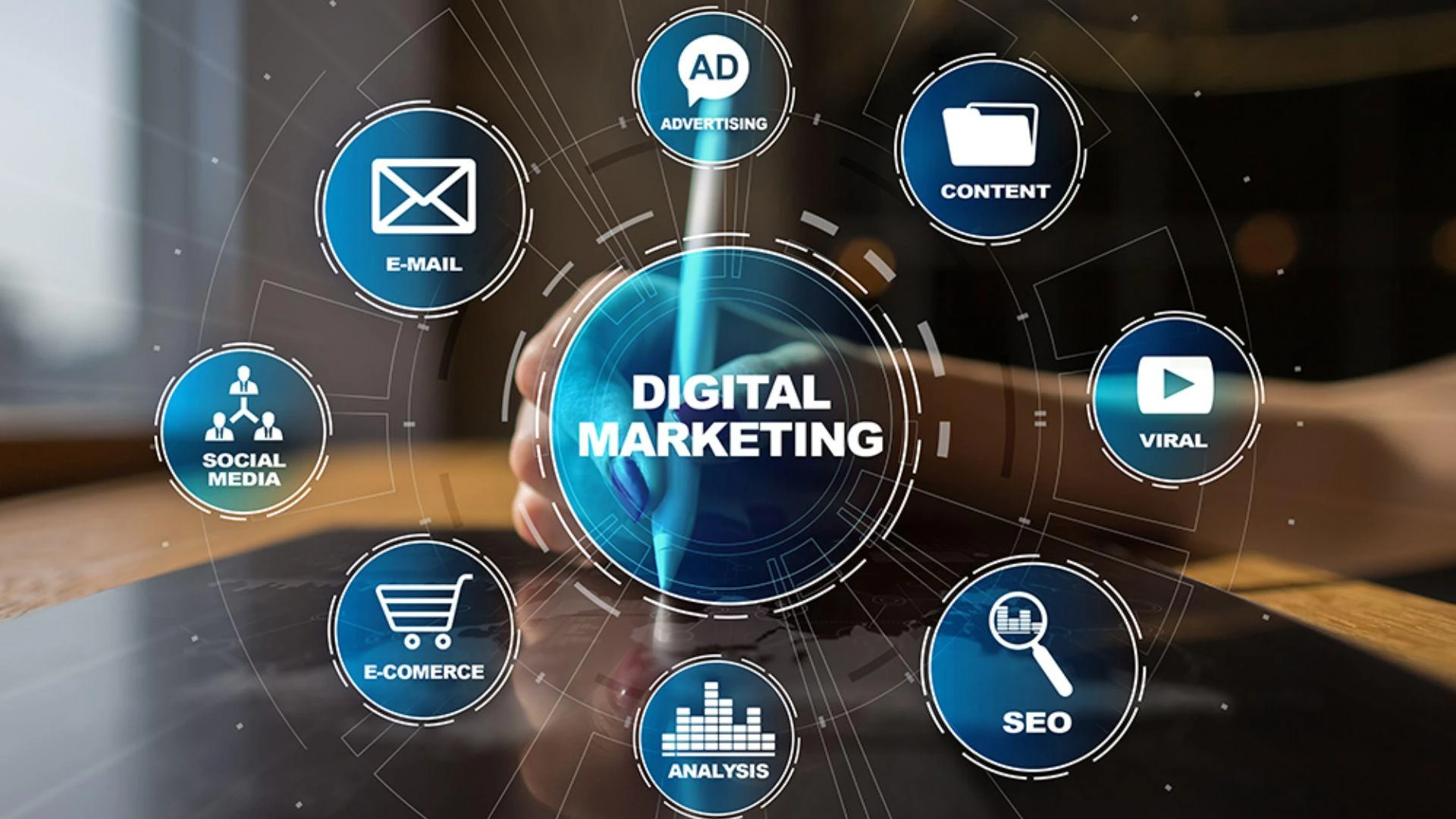
1. Start with outcomes, not tools in your digital marketing services planning
Before you add a single AI line item, step back and clarify:
- What revenue or pipeline goals are you accountable for in 2026?
- Which channels currently drive the highest-quality leads or sales?
- Where are you losing efficiency today (manual reporting, slow content production, poor targeting, lack of testing)?
AI should be funded where it directly supports those outcomes—not because a tool looks impressive in a demo from any online marketing agency. Treat AI as an accelerator for already meaningful goals, not a shiny add-on.
2. Break your AI-augmented budget into four buckets used by modern marketing online agencies
A useful way to structure your 2026 marketing spend is to split it into four interconnected categories:
- People (Strategy + Ops + Creators)
- AI + Core Tech Stack
- Media & Campaign Execution
- Learning, Data, and Governance
Your specific percentages will depend on your size and growth stage, but a common pattern for mid-market or growth-focused brands—especially those running integrated digital marketing services in India or globally—looks like:
- 35–45% People
- 15–25% AI + Tech
- 30–40% Media & Execution
- 5–10% Learning & Governance
Think of this as a flexible blueprint, not a rigid rule.
3. Invest first in the people who make AI valuable within your digital marketing agency
AI doesn’t run your marketing strategy. People do. Even among the best digital marketers, technology enhances creativity but does not replace strategic expertise.
You’ll want to make sure your 2026 budget includes the right human roles:
- Strategic leads who understand business goals, positioning, and ICPs—and can decide where AI belongs.
- Channel specialists (SEO, paid media, lifecycle, content) who know how to integrate AI into their workflows without compromising quality.
- Marketing ops / data partners who can connect tools, build workflows, and ensure data is reliable.
AI can write first drafts, summarize research, and suggest tests—but it still needs humans to validate, edit, and align everything with brand, compliance, and business strategy across services for digital marketing programs.
4. Budget smartly for AI and tools supporting digital marketing services in India and beyond
Next, plan your AI + tech stack spending with intention rather than stacking random subscriptions pitched by every digital marketing agency.
Consider grouping tools into:
- Content & creative AI – copy, design, video, personalization, asset generation
- Research & analysis AI – competitive analysis, keyword research assistance, audience insights, forecasting
- Automation & orchestration – workflows connecting CRM, analytics, ads platforms, and email
- Experimentation & optimization – AI-assisted testing, bid strategies, creative optimization
A practical mindset for 2026:
- Fund a small number of best-in-class platforms that can scale with you.
- Avoid overlapping tools solving identical problems.
- Set aside a “test budget” for 1–2 new platforms each quarter, with clear performance thresholds.
5. Protect your media budget from tool creep within digital marketing services
It’s easy to overspend on software and underfund the media that actually reaches customers.
As AI increases efficiency across online marketing agency operations—accelerating campaign creation, audience discovery, and creative iteration—it can improve results only if media funding remains healthy.
Protect budget for:
- Paid search and paid social
- Programmatic or retail media
- Sponsored content, influencers, and partnerships
Treat media as the fuel for AI-optimized campaigns rather than an expendable line item.
6. Fund learning, experimentation, and governance for your digital marketing agency
In an AI-augmented environment, continuous learning is a core operating expense.
Your 2026 budget should support:
- Team training for responsible AI usage
- Tools and time for structured experimentation
- Governance frameworks, prompt guidelines, brand standards, and compliance reviews
This ensures that AI adoption stays controlled, repeatable, and aligned with business outcomes rather than fragmented across teams using disconnected services for digital marketing platforms.
7. Make ROI visible across digital marketing services
From day one, plan how to measure AI impact:
- Time saved from automation and reporting
- Increased marketing output
- Performance gains like CTR growth, improved conversion rates, reduced CAC, and faster sales cycles
When you can demonstrate how AI empowers your team and your partner digital marketing agency to ship more, learn faster, and perform better, your hybrid marketing budget becomes strategic rather than experimental—even compared with the best digital marketing agency in India benchmarks.
In 2026, the most effective brands won’t choose between humans or machines. They’ll invest in digital marketing services that blend both, funding the experts who think strategically, the tools that scale execution, and the learning systems that maintain long-term advantage.
That’s what a true human + machine success budget looks like.